
California to Fine Robotaxi Firms for Blocking First Responders
California Governor Gavin Newsom has signed new legislation to penalize autonomous vehicle operators if their fleets obstruct emergency services.
 Radwan AbdulhadiEditor and technology writer
New California Legislation Targets Autonomous Vehicle Obstructions
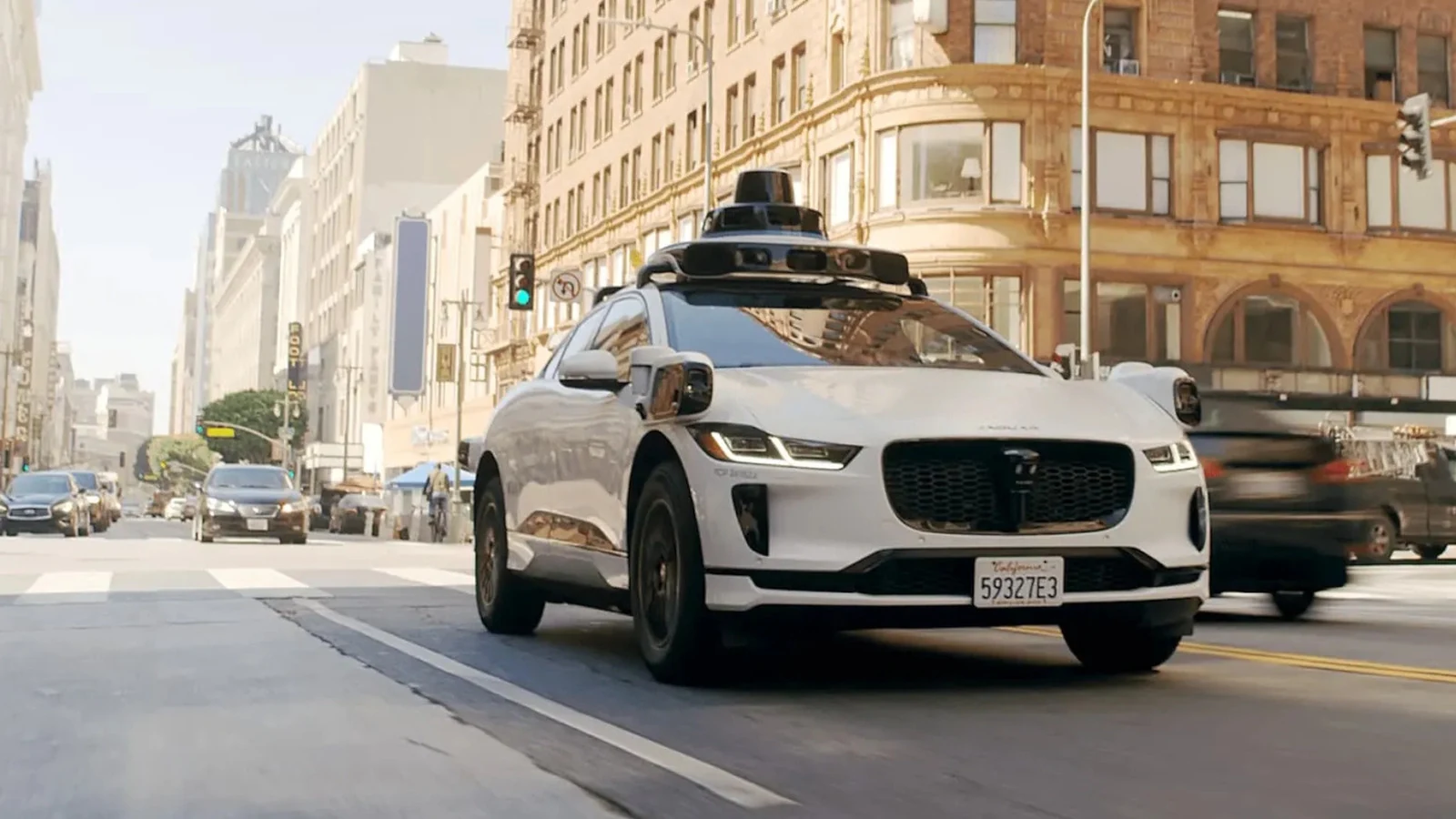
California Governor Gavin Newsom has signed into a law new rules for robotaxis aimed at addressing mounting concerns that autonomous vehicles could impede emergency response services during critical incidents. According to reports published by outlets like Engadget, the newly enacted legislation is designed to establish strict local accountability measures for operators.
Under Senate Bill 1246, robotaxi companies will face direct financial penalties if their vehicles block first responders—such as fire trucks and ambulances—for more than 30 minutes during emergencies. While the governor has formally approved the measure, the regulatory framework is not set to take effect until July 1, 2028, giving operators ample time to adapt their systems and operations.
Growing Incidents Involving Autonomous Vehicles and Emergency Services
The legislative action follows a series of high-profile incidents over the past year that heightened public and regulatory anxiety regarding driverless vehicle interference. In December 2025, several Waymo vehicles got stuck in the middle of San Francisco roads after an unexpected power outage knocked out the city's traffic infrastructure.
Subsequent disruptions compounded these worries. During San Francisco's Fourth of July celebrations, heavy traffic and depleted battery reserves meant that multiple autonomous vehicles got stranded and required towing. Similar disruptions have occurred outside of California as well, highlighting a broader geographical trend in autonomous fleet challenges.
In Austin, Texas, a notable event occurred when an autonomous vehicle blocked an ambulance that was actively responding to a reported shooting. Such events prompted federal attention earlier in the year, when the US National Highway Traffic Safety Administration asked operators to find immediate solutions after noting a clear pattern of driverless vehicles interfering with law enforcement and emergency personnel.
New Operational Requirements and On-Site Support Standards
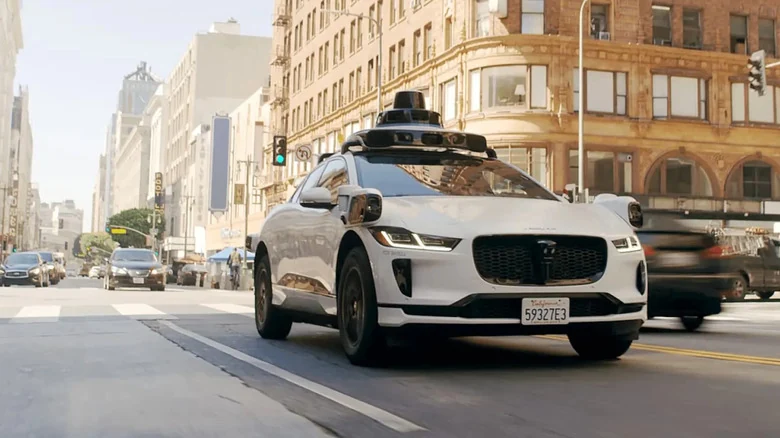
Senate Bill 1246 introduces several operational mandates that go beyond penalty structures. Operators will now be required to provide designated on-site contacts for emergency responders. These representatives, officially termed "local incident technicians," will be stationed to handle accidents, traffic obstructions, and emergency situations immediately.
Additionally, the legislation establishes strict geographical rules for remote supervision. Companies must utilize US-based remote human drivers who hold valid US driver's licenses when remote intervention is required. Industry practices vary significantly regarding remote operation; while some fleets rely primarily on automated systems, discussions surrounding Tesla's case reveal that human intervention is generally reserved for situations where available autonomous actions have been completely exhausted.
Mandatory Reporting and System-Wide Failure Notifications
Beyond managing active obstructions on public roads, the newly signed law mandates enhanced communication protocols during widespread technical failures. Robotaxi operators will be legally required to notify local authorities regarding the exact location and operational status of all vehicles affected by system-wide network or software outages.
Furthermore, companies must compile and issue comprehensive compliance reports detailing their response times to any incidents involving their autonomous fleets. Because the law features a delayed implementation timeline leading up to July 1, 2028, industry participants have a structured window to integrate these requirements into their standard operational procedures.
Sources
- EngadgetCalifornia will fine robotaxi companies if their vehicles block first responders
Continue chronologically


Related stories
Feather Builds the Android of Robotics for Software Developers
Feather Robotics is developing a customizable $30,000 modular humanoid platform and software toolkit tailored for software developers.
XPENG Iron Robot Walks Off Production Line After Assembly
XPENG’s new Iron humanoid robot has begun its journey toward mass production, successfully walking off the assembly line immediately after being built.

Tech Leaders Sign Voluntary White House AI Safety Accord
Tech executives met with Donald Trump to sign a voluntary AI safety agreement featuring four layers of controls, self-regulation, and audits.

OpenAI CEO Sam Altman Reveals New AI Agent at Developer Event
OpenAI CEO Sam Altman introduced new Dots AI agents at the annual developer conference while avoiding mention of recent security concerns.