Tesla Plans Cybercab Sales to Transport Companies This Year
Tesla announced plans to begin selling its autonomous Cybercab vehicles to transport companies before the end of the year, starting with a small-scale rollout as the company gathers data on fleet management.
 Radwan AbdulhadiEditor and technology writer
Cybercab Sales and Production Timeline
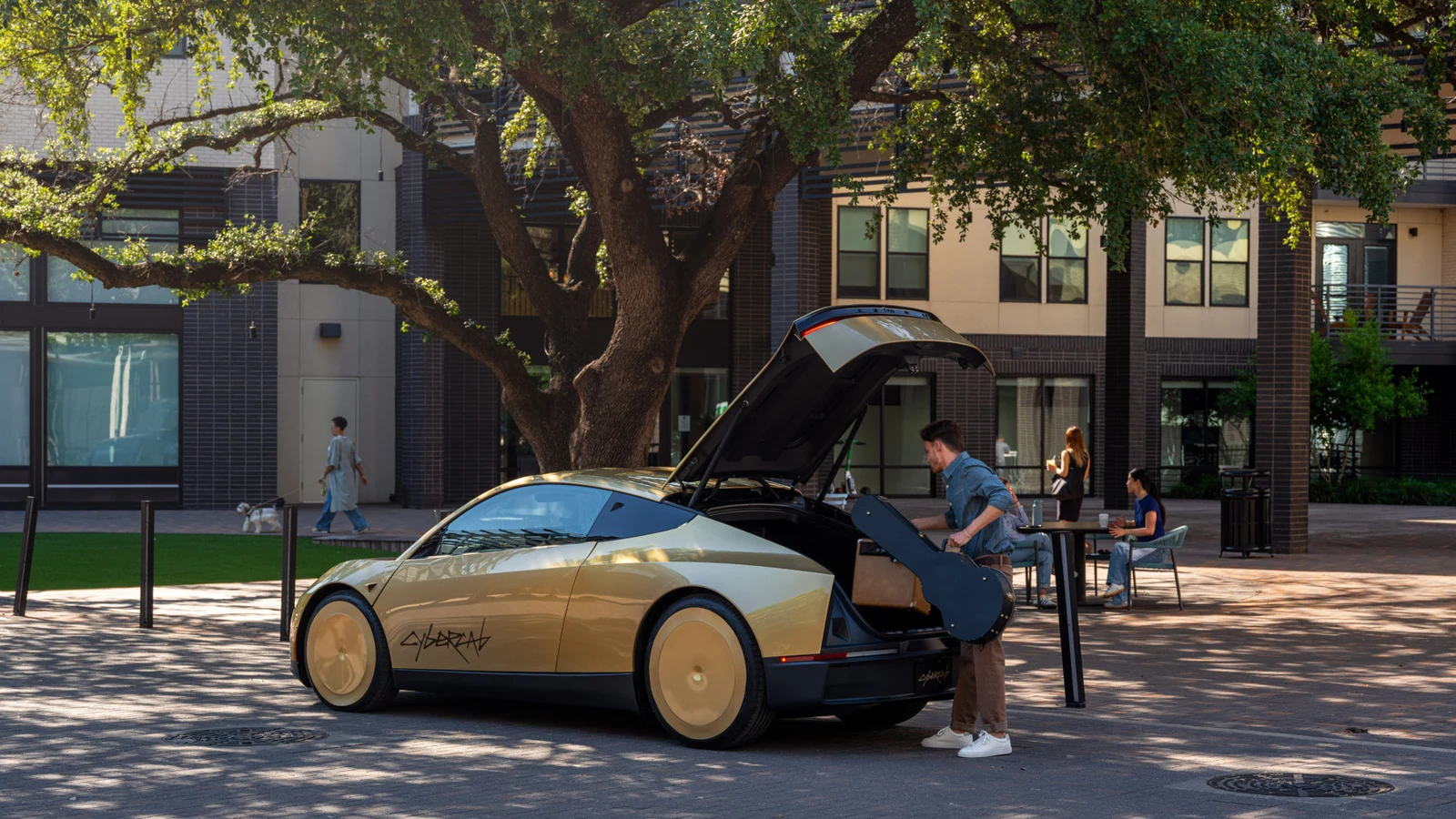
Tesla is aiming to start selling Cybercabs to customers before the year ends, according to statements made by company executives during its third-quarter earnings call. Lars Moravy, vice president of engineering at Tesla, said that the automaker is trying to get the vehicles to customers by the end of 2026. Moravy noted that while Tesla is currently manufacturing Cybercabs at its Gigafactory in Texas, those initial units are primarily designated for its internal robotaxi fleet.
If Tesla succeeds in delivering the vehicles to external buyers within the year, the initial sales volume will remain small. Moravy explained that as the company learns more about delivery, ownership, and fleet management of autonomous vehicles in customer hands, it will scale up its sales operations over time.
Targeting Transport Fleets Over Individual Ownership
CEO Elon Musk admitted during the call that the vast majority of Cybercabs will essentially remain Tesla-owned and operated under its ride-service operations. Unlike standard consumer models like the Model 3 or Model Y, the Cybercab is built specifically as a transport-as-a-service vehicle rather than a personal car for individual ownership.
Tesla first floated the idea of selling the autonomous vehicle to third parties around its official unveiling event in Austin, where it posted online inquiries for entities interested in running robotaxi fleets. The company is specifically looking for buyers who can help build out its robotaxi network, meaning initial commercial sales will target entities capable of purchasing entire fleets.
Vehicle Design and Autonomous Software Status
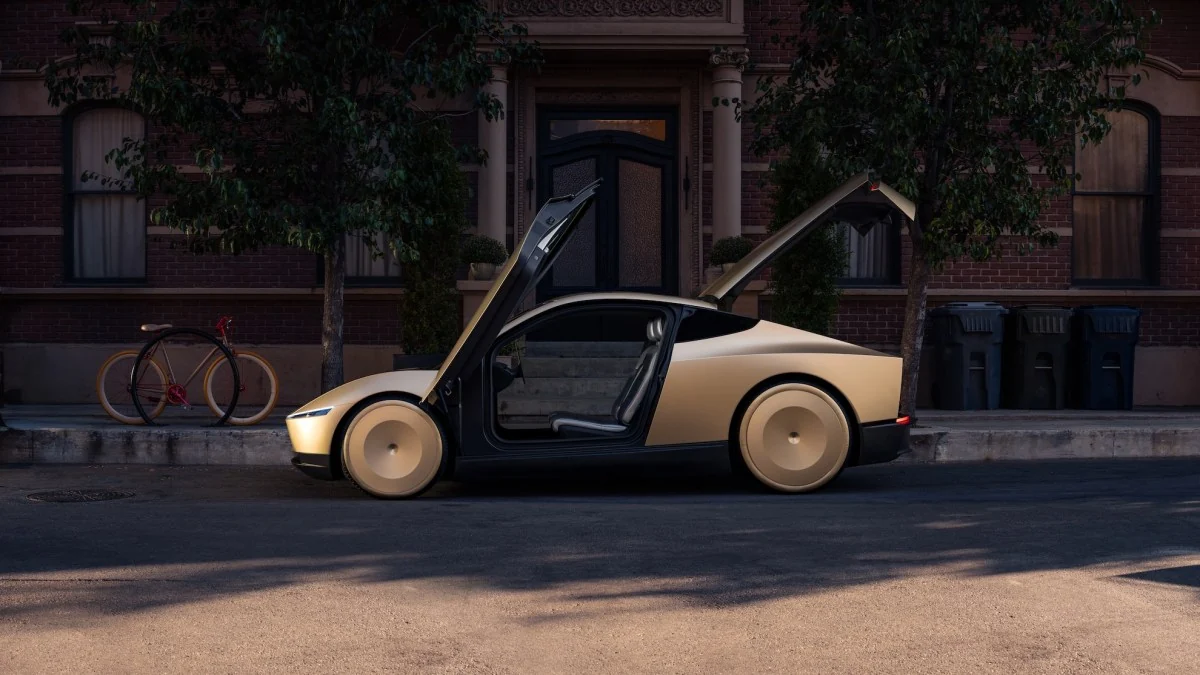
The Cybercab departs from traditional automotive layouts by omitting steering wheels and brake pedals entirely. Because it lacks manual controls, human drivers cannot operate it directly, forcing the vehicle to rely exclusively on automated software. While Tesla owners currently utilize the Supervised version of Full Self-Driving, which still requires active human supervision behind the wheel, Ashok Elluswamy, Director of AI at Tesla, noted the company believes it can start activating Unsupervised Full Self-Driving on select early customer vehicles around the second quarter of 2027.
Regulatory Scrutiny and Federal Safety Investigations
The rollout faces potential hurdles from federal safety regulators. Shortly after Tesla began offering Cybercab rides in Austin, the National Highway Traffic Safety Administration launched a probe into the vehicles. Federal Motor Vehicle Safety Standards traditionally mandate manual controls such as brake pedals and rearview mirrors. Although Tesla self-certified that the Cybercabs comply with all relevant safety standards, the federal agency plans to examine the underlying process and technical data used in that self-certification.
The outcome of this federal investigation could influence whether Tesla or any third-party buyers can legally operate the steering-wheel-free vehicles on public roadways, adding a layer of regulatory uncertainty to the planned end-of-year commercial release.
Sources
- EngadgetTesla plans to start selling Cybercabs by the end of the year
- TechCrunchTesla says it will start selling Cybercabs by end of year
Continue chronologically
Related stories
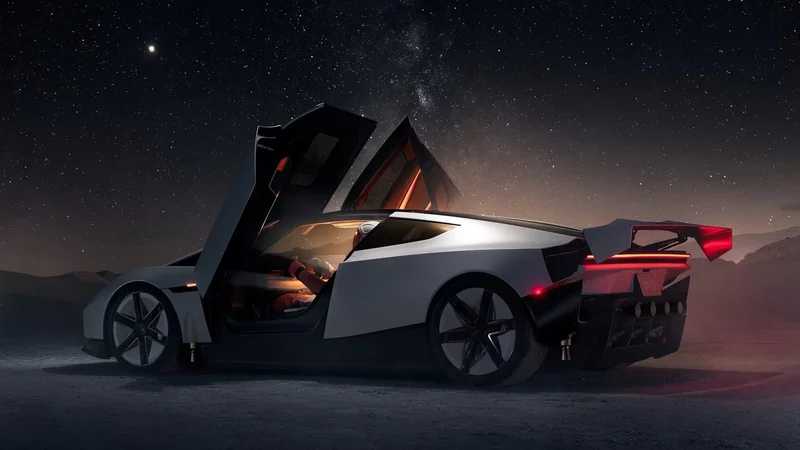
Tesla Targets 2028 Production for Redesigned Roadster
Tesla has announced a 2028 production target for its redesigned Roadster sports car, following years of delays and a high-profile stunt reveal.
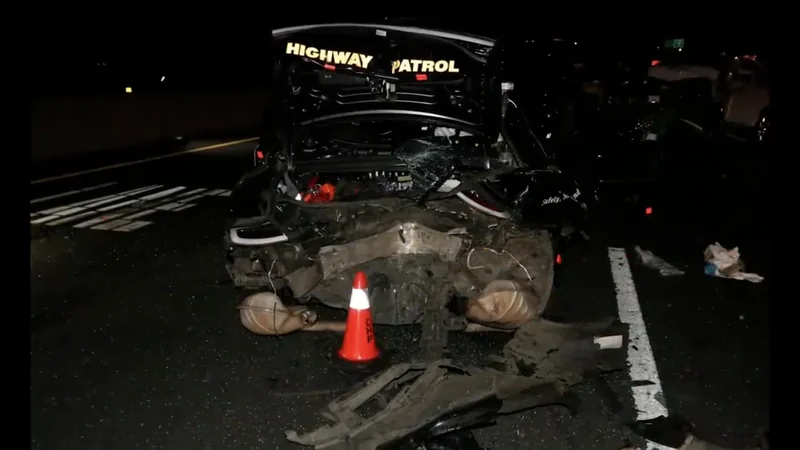
Tesla Driver Asleep During Crash Into Patrol Cars
A Tesla driver admitted to being asleep while using Full Self-Driving during a crash that seriously injured two California Highway Patrol officers.
California to Fine Robotaxi Firms for Blocking First Responders
California Governor Gavin Newsom has signed a law penalizing robotaxi companies if their autonomous vehicles block first responders.
Tesla Starts Optimus Robot Production as Profit Falls 43%
Tesla has started manufacturing its Optimus humanoid robot in California, even as skyrocketing expenses and flat revenue caused a 43% drop in profit.