Industrial Next Aims to Switch Factory Robots in Minutes
San Francisco-based startup Industrial Next is utilizing proprietary foundation models and high-fidelity simulation engines to make factory robots flexible enough to switch tasks rapidly.
 Radwan AbdulhadiEditor and technology writer
Revolutionizing Factory Automation
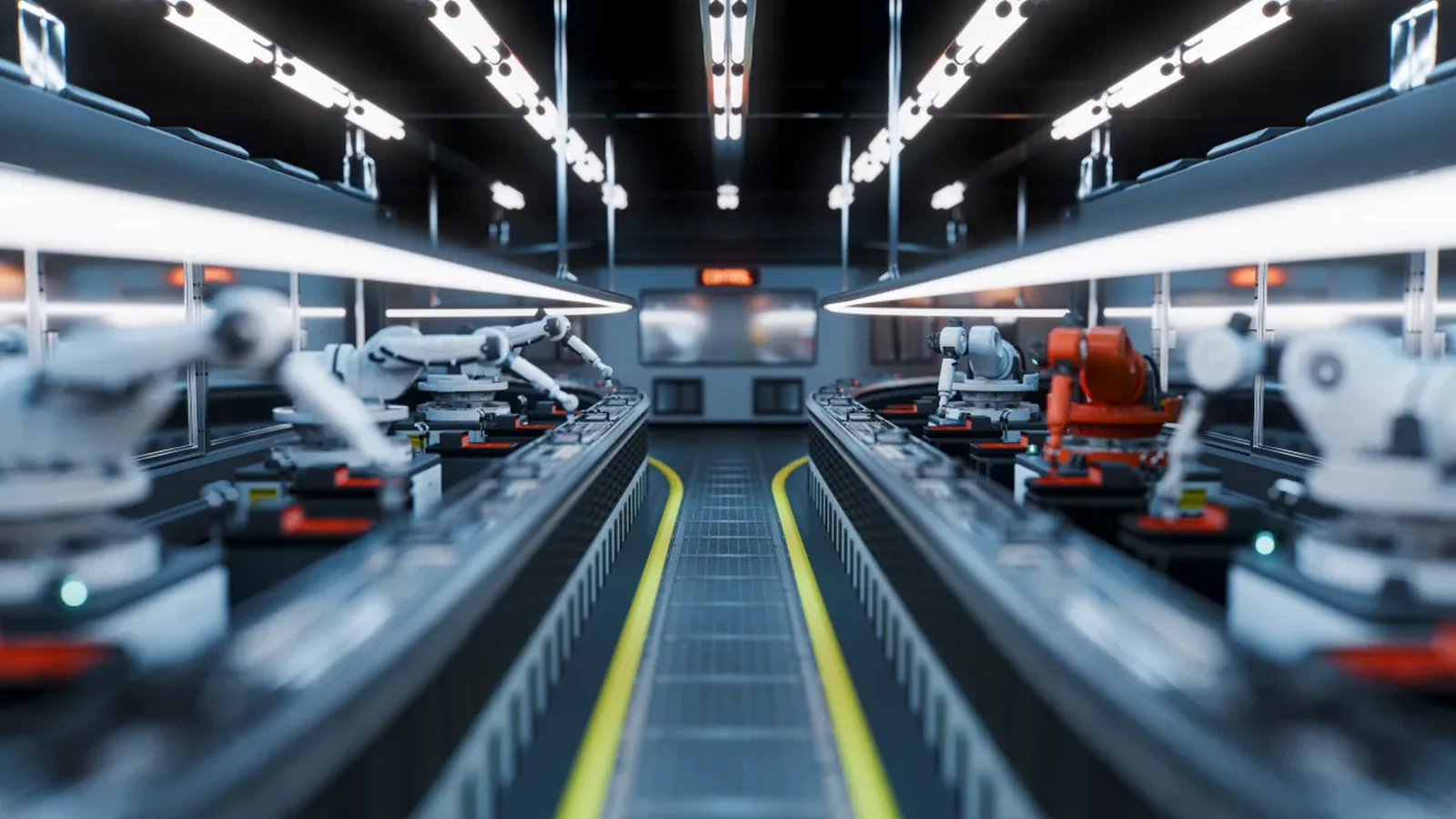
In standard manufacturing environments, automation remains fixed as machines and robots are hard-coded for a single, specific task and product. Modifying a production line traditionally requires extensive physical retooling, reprogramming, or outright equipment replacement, processes that can span weeks or months. San Francisco-based [Industrial Next](https://industrialnext.ai/) is working to disrupt this model by introducing AI-driven, self-contained robotic stations designed to retool production lines in minutes rather than weeks.
The startup showcased its technology on the Startup Battlefield stage at [TechCrunch](https://techcrunch.com/2026/10/13/industrial-next-want-factory-robots-to-switch-tasks-in-minutes-not-weeks/). Powered by proprietary foundation models that effectively link vision, task context, and motion, the company's systems are built to help manufacturers automate complex and delicate tasks that have historically relied heavily on human labor.
Founding Origins at Tesla
The company was established in 2021 by Lukas Pankau and Allen Pan after both spent time working at Tesla. Pankau served as a lead electrical architect at Tesla before transitioning to Waymo, while Pan managed Tesla's autonomous factory initiatives and later acted as chief architect at autonomous driving firm Neolix. The duo conceived the startup while observing firsthand how cutting-edge vehicle and self-driving technologies were frequently hindered by decades-old factory equipment.
Pankau noted that engineers could easily run advanced machine learning algorithms to design cars, yet remained routinely stymied when trying to program factory equipment dating back to the 1980s. After moving on to subsequent roles at Waymo and Momenta, the two founders stayed in touch and ultimately concluded that they wanted to address these ongoing frustrations by launching their own enterprise.
Overcoming Robotics Training Data Challenges
Traditional industrial robots are typically restricted to executing highly specific, repetitive tasks. Consequently, minor alterations in a product or process can easily cause a robot to fail or trigger costly downtime, forcing manufacturers to heavily prioritize product repeatability. Making robotic systems genuinely flexible introduces a distinct obstacle: unlike internet-trained AI models, the field of [AI](https://techcrunch.com/category/artificial-intelligence/) and [Robotics](https://techcrunch.com/category/robotics/) lacks massive, readily available datasets needed to teach physical dexterity.
To bypass the scarcity of physical training data, Industrial Next relies on an extremely high-fidelity simulation engine that closely mimics real-world physics. By letting robots practice within a detailed virtual environment, the systems develop a generalized understanding of manufacturing processes. This approach allows the robotic stations to perform high-precision tasks such as threading delicate flex cables and snapping tiny connector caps into place almost without directly viewing the parts.
Current Implementations and Future Ambitions
Industrial Next workstations are already operational in the manufacturing of one of the world's most popular smartphones, handling intricate assignments that manufacturers struggled to automate for years. Additionally, the startup highlighted a film peeling station where AI-powered robots strip protective film off buttons and camera modules at or above human speed with absolute accuracy, even when introduced to a brand-new phone model and production line they have never encountered before.
Alongside these commercial deployments, the startup announced a partnership with BMW Group Technology Office to evaluate its AI-powered dexterous manipulation capabilities for automotive manufacturing. Looking ahead, the founders intend to expand beyond consumer electronics and automotive sub-tasks to achieve end-to-end manufacturing of a full car completely untouched by humans.
Sources
- TechCrunchIndustrial Next wants factory robots to switch tasks in minutes, not weeks
Continue chronologically
Related stories
Cities and States Move to Rein In Robotaxis Amid Federal Gridlock
Frustrated by federal gridlock, cities and states across the political spectrum are taking local action to regulate autonomous vehicles and robotaxis.
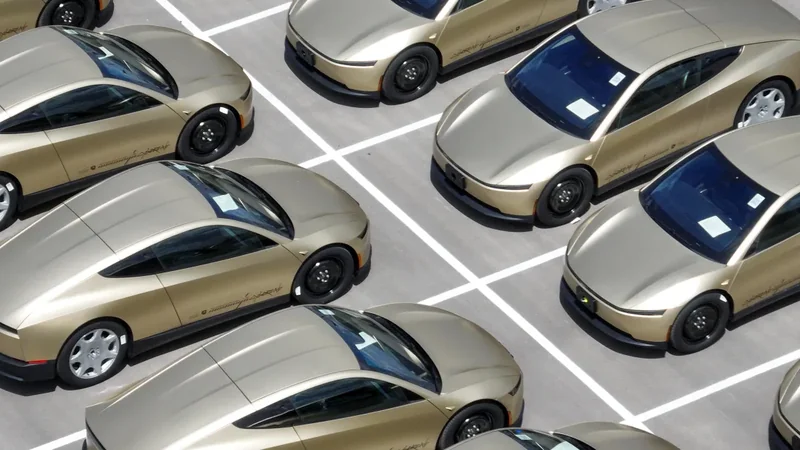
California to Fine Robotaxi Firms for Blocking First Responders
California Governor Gavin Newsom has signed a law penalizing robotaxi companies if their autonomous vehicles block first responders.
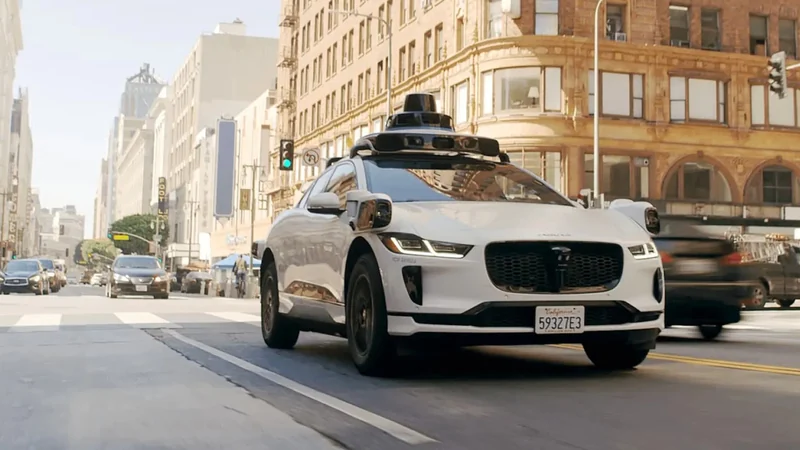
Waymo and Toyota Partner for bZ4X Robotaxis in Tokyo
Waymo will use purpose-built Toyota bZ4X electric vehicles for a new robotaxi service in Tokyo, expanding on their strategic partnership.
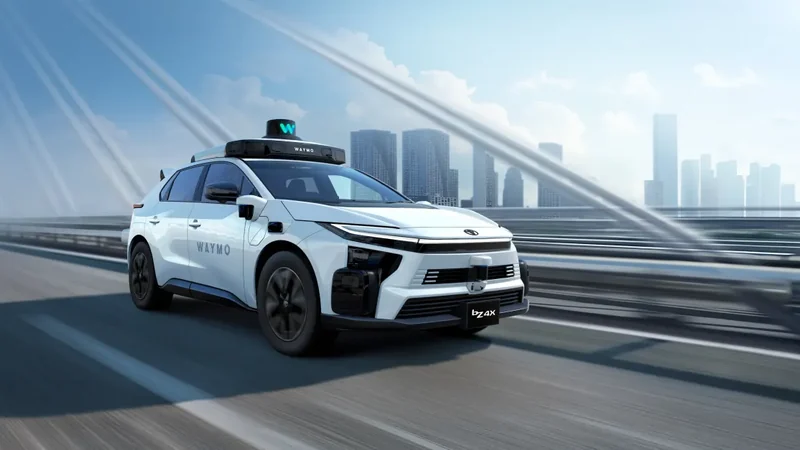
Waymo and Toyota to Start Testing bZ4X Robotaxis in Japan
Waymo and Toyota will begin testing autonomous bZ4X electric vehicles in Japan, with plans to expand into the UK and other right-hand drive markets.