Why Modern Headsets and Smart Glasses Finally Make 3D Movies Worth Watching
After decades as a major technological disappointment, three-dimensional cinema is finally delivering a compelling viewing experience thanks to modern smart glasses and virtual reality headsets.
 Radwan AbdulhadiEditor and technology writer
Overcoming Historical Limitations of 3D Viewing
For years, three-dimensional cinema struggled with significant technological hurdles that relegated it to the status of a notable industry disappointment. Traditional theatrical setups using polarized glasses split a single reflected image between both eyes, resulting in compromised resolution and reduced brightness. Similarly, active shutter glasses introduced distracting refresh rate flicker, while alternate formats like handheld portable devices forced compromises in visual fidelity.
The fundamental shift enabling a superior experience today is the use of dedicated micro-displays that project an independent screen for each eye. Modern video glasses and head-mounted displays render side-by-side content cleanly, delivering high-resolution visuals to each eye simultaneously without the traditional compromises in brightness and clarity that plagued legacy theater systems.
Hardware Advancements Across AR and VR Devices
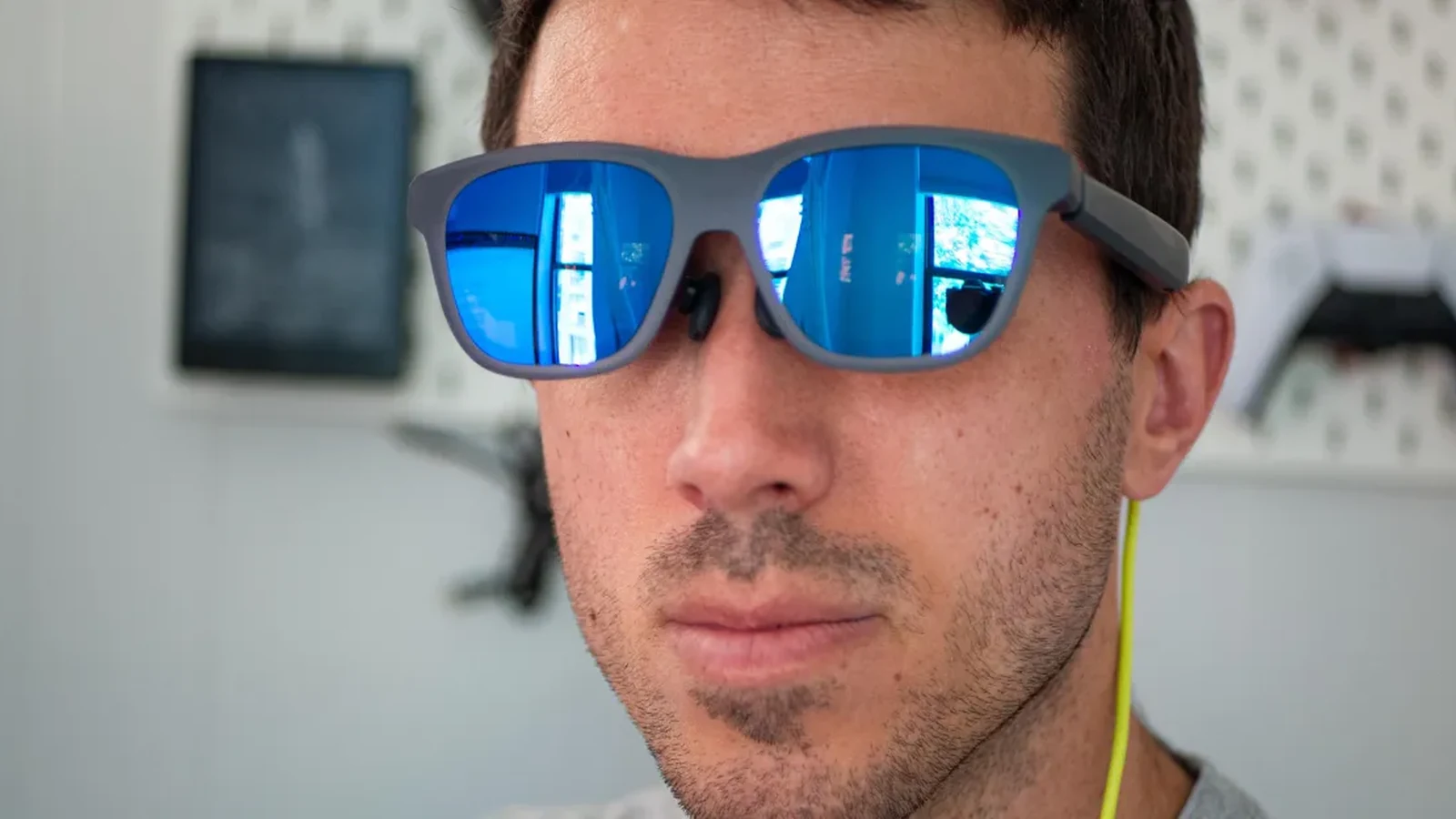
A growing array of hardware devices now supports immersive three-dimensional viewing formats natively or through dedicated software applications. Devices such as the Xreal One Pro glasses offer expansive private virtual screens that can switch into dedicated side-by-side display modes for compatible content, bringing unprecedented depth to feature films.
In the virtual reality ecosystem, devices like the Meta Quest hardware line and the Steam Frame feature built-in video player toggles and dedicated apps designed to handle immersive visual streams. Meanwhile, high-end hardware options continue to push the boundaries of spatial computing and portable entertainment.
Cinematic Impact and Expanded Depth in Modern Films
When experienced through modern headsets, films featuring deliberate spatial compositions reveal entirely new layers of visual information. Transparent surfaces, cockpit interiors, and complex computer-generated environments display enhanced depth, turning flat walls of water or digital dioramas into tangible, living spaces.
Recent technological developments extend beyond traditional narrative features into concert films and interactive nature documentaries. Specialized multi-camera setups, such as remote-controlled AGITO camera rigs utilized by prominent filmmakers, capture intimate spatial details that translate exceptionally well to immersive display hardware, capturing textures like microscopic grains of sand and animal fur with striking clarity.
Archival and documentary projects also benefit profoundly from proper three-dimensional presentation. Historic art installations, such as ancient prehistoric cave paintings, reveal their true volumetric forms when viewed correctly, transforming flat-appearing stone walls into dynamic, three-dimensional canvases as noted by creators of the cult-classic 3D documentary Cave of Forgotten Dreams.
Shifting Hollywood Distribution Toward Streaming
Despite the visual improvements offered by modern hardware, accessing high-quality content has historically presented a significant logistical challenge. Ultra HD 4K Blu-ray discs do not natively support the format, leaving physical media collectors reliant on aging 1080p 3D Blu-rays or complex digital ripping workflows to convert physical discs into usable multi-view files for portable hardware playback.
Fortunately, hardware manufacturers are actively convincing Hollywood studios to transition their libraries toward digital streaming options. The launch of advanced spatial computing devices established a precedent for high-bitrate, high-frame-rate streaming with spatial audio integration, accompanied by expanded catalog access through major entertainment platforms.
Upcoming hardware ecosystems from Meta will further democratize access to the format. According to Meta director of entertainment Sarah Malkin, upcoming Meta VR Glasses will provide subscribers with access to native 3D movie streaming across popular platforms including Disney Plus, HBO, Paramount Plus, and Peacock starting later this fall.
By the time these upcoming headsets launch in the spring, consumers will find hundreds of titles available to rent or purchase through dedicated application storefronts. Industry representatives confirm that pricing structures for these immersive releases will remain aligned with standard digital 2D Ultra High Definition films, while battery capacities are engineered to comfortably sustain a full-length feature film in theater mode.
Sources
- The Verge3D movies are finally worth watching
Continue chronologically

Related entity coverage
Related stories
Apple Tightens macOS Full Disk Access Over AI Risks
Apple is updating macOS Full Disk Access controls, warning that increasingly capable AI agents create new security risks for user data.
Apple Warns AI Agents Pose Risks with Full Disk Access
Apple is introducing new macOS safeguards after warning that AI agents requesting Full Disk Access expose user files, mail, messages, and browsing history.
Apple Updates macOS Permissions to Curb AI Agent Abuse
Apple is changing macOS Full Disk Access settings to prevent third-party developers and AI agents from misusing system privileges.

Apple Patches CoreGraphics Zero-Day Exploited in Attacks
Apple has released security updates to fix a zero-day vulnerability in CoreGraphics that was exploited in targeted attacks against iOS devices.