Cities and States Move to Rein In Robotaxis Amid Federal Gridlock
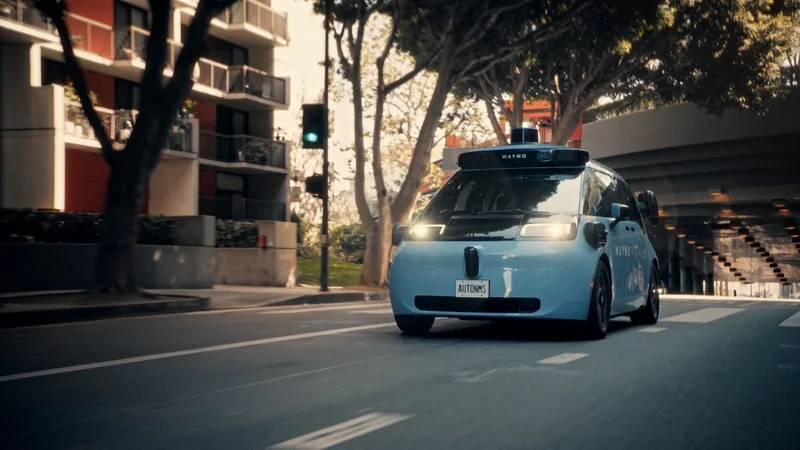
As federal legislation stalls in Washington, local municipalities and state lawmakers are establishing their own patchwork of rules to govern autonomous vehicles and robotaxis on public roads.
 Radwan AbdulhadiEditor and technology writer
The Rise of Local Autonomous Vehicle Regulation
Frustrated by federal gridlock, cities and states across the political spectrum are taking matters into their own hands to rein in autonomous vehicles. While federal regulators scramble to establish safety standards, legislation that would establish rules for autonomous vehicles remains stalled in Congress, leaving local lawmakers to create their own playbooks. Further details are available from The Verge in the original source material.
The first state to pass a law legalizing self-driving cars operating on public roads was Nevada in June 2011, long before such vehicles were operating widely. Nevada was ahead of the curve primarily due to lobbying, as Google saw the state as a prime testing ground for its prototypes. This historical backdrop preceded the commercialization efforts that eventually led to the first commercial robotaxi service.
Municipalities Flex Street Operations Authority
Municipalities generally lack authority over vehicle manufacturing standards, but they hold broad authority over street operations. As a result, cities have been using that authority to pass their own laws governing the rollout of robotaxis in the absence of federal rules. Minneapolis is considering an ordinance to require human monitors inside autonomous vehicles, effectively seeking to ban driverless operations.
Other cities are targeting specific operational concerns. The San Diego City Council passed a resolution seeking to block Waymo from the airport and give local agencies direct control over autonomous vehicles in emergencies. Meanwhile, Austin firefighters have expressed concern over vehicles lacking steering wheels or pedals, pushing for dedicated rapid-response towing protocols and direct human operator communications for emergency situations.
Political Lines Blur on Autonomous Vehicle Oversight
The pushback against robotaxis is blurring traditional political lines. It used to be the case that Republicans were seen as more welcoming of autonomous vehicles, while Democrats were viewed as more skeptical. While Democrat-led cities like New York City, Chicago, and Washington, DC still have not legalized driverless cars, several red states are now considering tightening the leash as well, including Kentucky, Oklahoma, South Dakota, and Iowa.
Even in tech-friendly California, state lawmakers are mulling ways to bring robotaxis to heel. Several bills have been introduced to give cities direct authority to limit AV fleet sizes, restrict operating hours, or enact local permit bans within municipal limits. Additionally, emergency protocols were drafted to require AV companies to give local police and fire departments physical override access or emergency remote shut-off mechanisms.
Zoning, Land-Use Restrictions, and Industry Response
Some municipalities are flexing their land-use and zoning powers to crack down on robot cars. Culver City explored emergency moratoriums on building permits for autonomous vehicle fleet facilities, while Santa Monica used local noise and traffic ordinances to restrict 24-hour charging hubs, proving that robotaxis are not immune to local pushback.
Rather than fighting strict local regulations head-on, companies like Waymo, Zoox, and Aurora are prioritizing states with explicit legislative preemption that prevents individual cities from banning the technology. At the national level, industry trade groups like the Autonomous Vehicle Industry Association are aggressively pushing for more preemption powers to create unified standards, though the patchwork of local road usage rules is expected to persist.
Sources
- The VergeCities want to put the boot on robotaxis
Continue chronologically


Related stories
California to Fine Robotaxi Firms for Blocking First Responders
California Governor Gavin Newsom has signed a law penalizing robotaxi companies if their autonomous vehicles block first responders.
Industrial Next Aims to Switch Factory Robots in Minutes
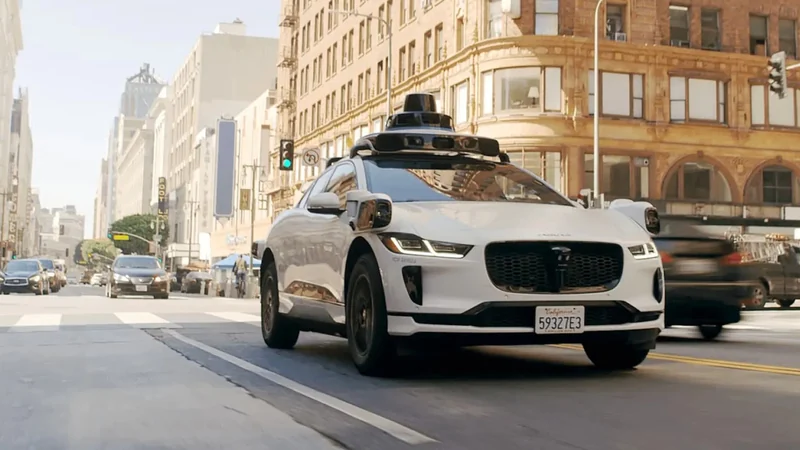
Industrial Next is developing AI-driven robotic stations designed to retool factory production lines in minutes rather than weeks.
Waymo and Toyota to Start Testing bZ4X Robotaxis in Japan
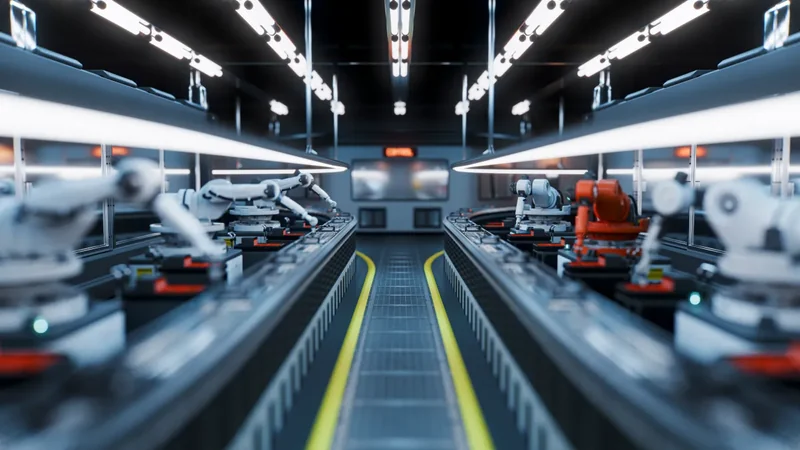
Waymo and Toyota will begin testing autonomous bZ4X electric vehicles in Japan, with plans to expand into the UK and other right-hand drive markets.
Waymo to Test Self-Driving Vehicles on Toronto Streets
Waymo has received approval to join Ontario’s automated vehicle pilot program and will begin testing self-driving vehicles in Toronto.