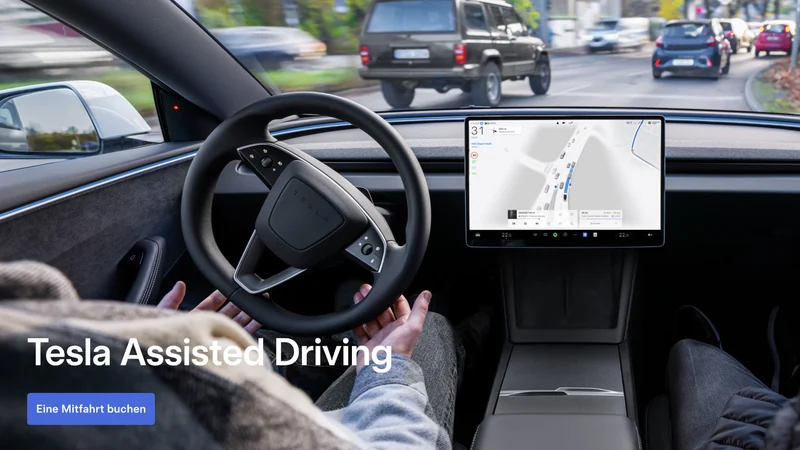
Tesla Driver Asleep During Crash Into Patrol Cars
The California Highway Patrol has issued a warning regarding driver-assist software following a horrific crash on I-80 involving a Tesla vehicle.
 Radwan AbdulhadiEditor and technology writer
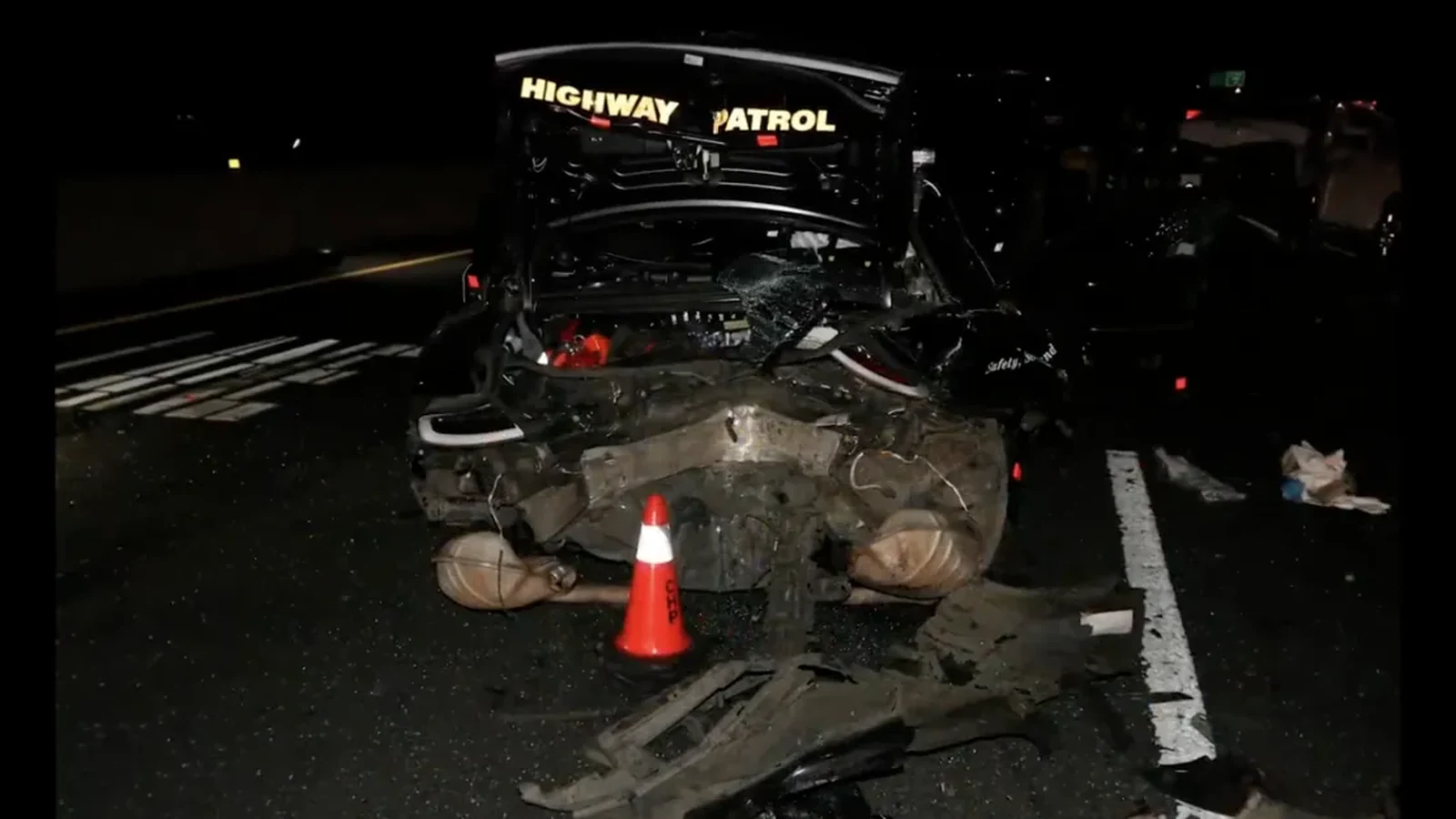
The Crash on Interstate 80
A recent highway incident in California has once again brought automated driver-assistance software under intense scrutiny. [Video released by CHP](https://x.com/CHP_HQ/status/2110891072620556448?s=20) documents the moments leading up to a severe collision on Interstate 80, where a Tesla vehicle rammed directly into the back of a parked patrol car.
According to the California Highway Patrol, the Tesla was traveling at a high rate of speed, passing emergency lights, flares, and traffic cones that had been set up to protect the scene of an earlier accident. Two highway patrol officers were seriously injured in the impact and were subsequently transported to a hospital for medical treatment.
Driver Statements and Official Warnings
Following the collision, the driver of the Tesla reportedly stated to authorities that he had been asleep and relying on the vehicle's Full Self-Driving mode at the time of the crash. The incident prompted a stern reminder from law enforcement regarding the limitations of modern automotive technology.
In a public statement regarding the horrific incident, the California Highway Patrol emphasized that despite its commercial branding, the driver-assist feature is not entirely autonomous. The agency warned that the technology does not relieve drivers of their fundamental legal responsibility to remain attentive and safely operate their vehicles at all times.
Federal Scrutiny and Regulatory Investigations
The latest highway incident adds to a long history of federal scrutiny surrounding Tesla's automated driving features. Following numerous prior collisions with parked emergency vehicles, the National Highway Traffic Safety Administration originally [launched an investigation](https://www.theverge.com/2021/8/16/22626819/tesla-autopilot-crash-emergency-vehicle-probe-nhtsa) into Tesla’s Autopilot software back in 2021.
That initial federal probe eventually culminated in an investigative report concluding that Tesla's driver-assist features failed to do enough to keep motorists actively engaged behind the wheel. Regulators ultimately connected the software limitations to hundreds of distinct crashes and dozens of fatalities in situations where both the automated system and the human driver failed to respond appropriately.
Software Updates and Continuing Concerns
In response to ongoing safety pressures, Tesla introduced a software update for Autopilot in 2023. This update implemented additional controls and alerts designed to prompt drivers to maintain full control of the automobile whenever the Autosteer function is engaged.
However, the introduction of those software changes did not put an end to regulatory inquiries. Following the release of the updated controls, safety regulators found it necessary [had to open another investigation](http://theverge.com/2024/4/26/24141403/tesla-autopilot-nhtsa-investigation-recall-software-fix) to determine whether the implemented modifications went far enough to address the underlying safety risks associated with driver disengagement.
Sources
- The VergeTesla driver says he was asleep and using FSD when he crashed into highway patrol cars
Continue chronologically
Related stories
Tesla Operating in FSD Mode Fatally Strikes Man on I-80
A 71-year-old man crossing I-80 in Vallejo was fatally struck by a Tesla operating in Full Self-Driving mode, according to the California Highway Patrol.
Tesla Plans Cybercab Sales to Transport Companies This Year
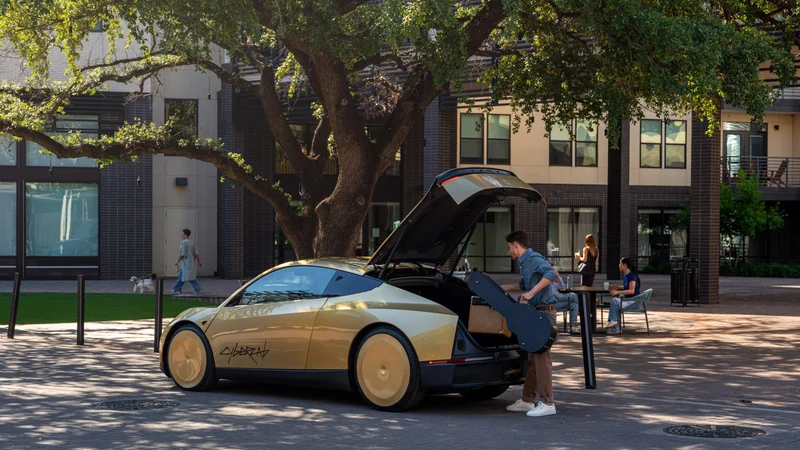
Tesla plans to start selling its steering-wheel-free Cybercab to transport companies by the end of the year, amid ongoing federal safety probes.
California to Fine Robotaxi Firms for Blocking First Responders
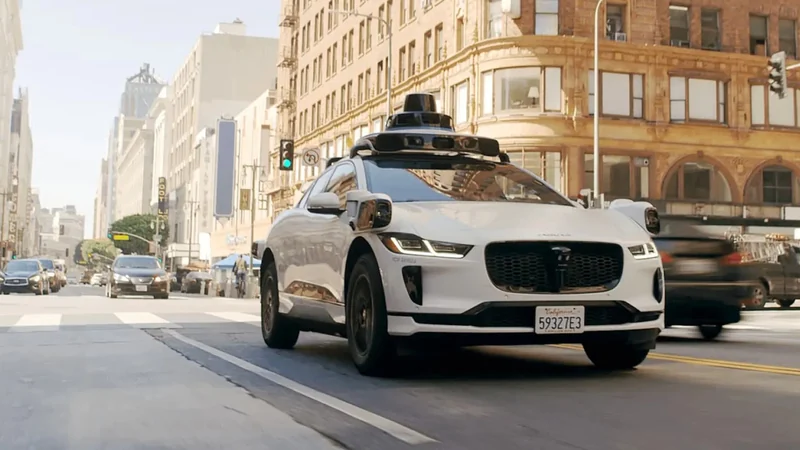
California Governor Gavin Newsom has signed a law penalizing robotaxi companies if their autonomous vehicles block first responders.
Tesla Renames Full Self-Driving to Assisted Driving in Europe
Tesla has rebranded Full Self-Driving to Tesla Assisted Driving in Europe after facing pushback from regulators over misleading capabilities.