How to Improve Your iPhone Call Quality and Fix Issues
When your iPhone calls sound muffled, drop intermittently, or get drowned out by background noise, several practical fixes can help restore clear audio.
 Radwan AbdulhadiEditor and technology writer

Understanding iPhone Call Issues
When you are not using your iPhone as a music player, camera, or gaming platform, you might actually use it as a phone. When calls sound muffled or metallic, cut out intermittently, or are drowned by background noise, you can take steps to fix the problems. Most of the time, the causes are poor signal strength, outdated carrier settings, or physical barriers like walls or metallic veneers on glass.
First, check your volume and speaker output. The volume might simply be turned down, or you might not have turned speaker mode on. Next, glance at the signal bars. If those are low, move toward a window or more open space to improve reception.

Using Voice Isolation and Network Fixes
You might not have noticed that you have the option to adjust the voice mode during a call. Voice Isolation is available on the iPhone XR/XS and newer, as long as you have iOS 16.4 or later. It uses machine learning to block environmental noise so your voice sounds more audible to the other person.
To activate it during a call, swipe down from the top-right to open Control Center and tap the small Phone Controls banner at the top of the screen. Then under Audio & Video, select Voice Isolation from the available options in the Mic Mode section. You can also choose Automatic, which has your phone adjust for what is best.
If the nearest cellular tower is congested, your iPhone may connect to a more distant tower with a weaker signal. If your call drops or the sound is bad, end the call, swipe down from the top-right to open Control Center, and toggle Airplane Mode on. Wait 10 seconds and toggle it off again. This forces your device to reconnect to the cellular network, hopefully with a stronger signal.
Enabling Wi-Fi Calling and Software Updates
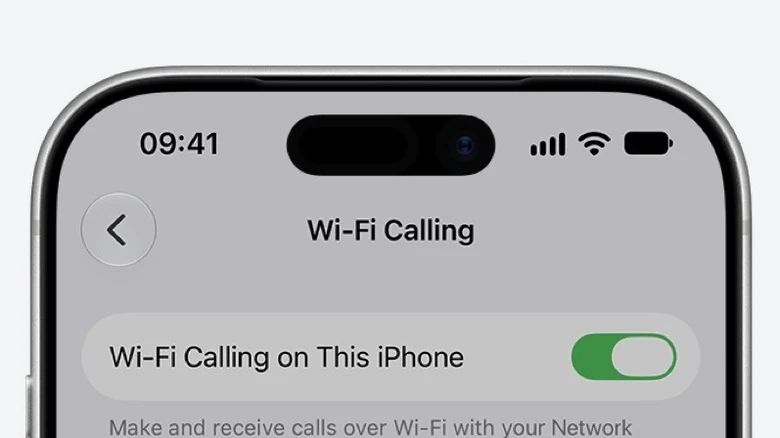
With Wi-Fi Calling, your call is handled by a Wi-Fi connection instead of a potentially weak cellular network. It is a great option if cell reception in parts of your home is poor. To enable it, open Settings > Apps > Phone, tap Wi-Fi Calling, then enable Wi-Fi Calling on This iPhone. Wi-Fi calling should hand off to your cellular network if you leave Wi-Fi range mid-call, but this is not always perfect, so you might experience drops.
Apple regularly patches issues that may impact call quality. Check Settings > General > Software Update to make sure iOS is current. You should also check for carrier settings updates in Settings > General > About. If an update is available, a prompt should appear within 15 seconds. Tap Update to install it.
Hardware Checks and Troubleshooting Steps
The oldest trick in the book still works to fix a lot of issues, so try restarting your iPhone if you have not in a while. For step-by-step guidance, check out the guide on restarting your iPhone for more details. If your iPhone uses a SIM card, pop the tray out with a paper clip to check for dust or a loose fit while the phone is turned off.
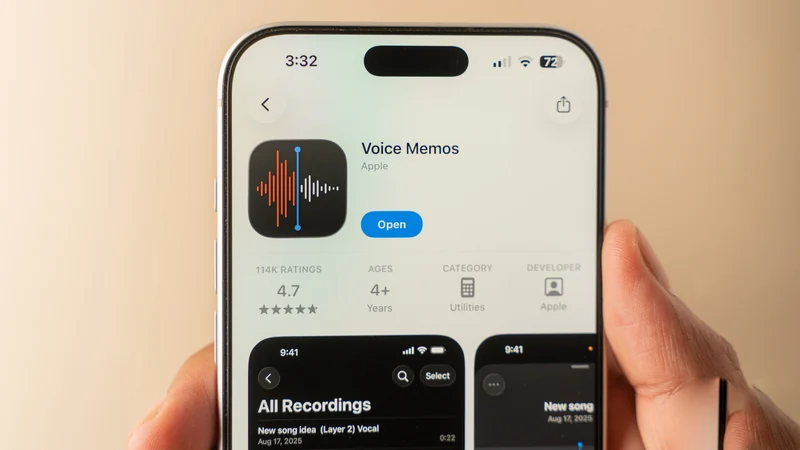
Test your microphone by recording yourself using the Voice Memos app. If that playback sounds clear, you know it is not a hardware problem. Clean the speaker grill and earpiece with a soft brush, and try a call without a case since thick or metal cases can interfere with antenna performance. Also, try using speakerphone during a call to see if that makes a difference.

Managing Headphones and Hardware Limitations
Bluetooth headphones, including AirPods, share the 2.4GHz band with a multitude of other devices including mice, keyboards, microwaves, and baby monitors. This network congestion can degrade call quality. Try making calls without your headphones and see if the audio is any clearer. Or, if you have never made a call with headphones, try them to see if they perform better than the internal mic.
It is worth noting that some iPhone 12 and 12 Pro models had high earpiece failure rates, which Apple addressed in a now-closed service program. Older iPhones with Intel modems, such as the iPhone XR, XS, or 11, may also have weaker signal strength. You can contact Apple if you think a hardware issue is causing your problem, but this will likely result in having to come into the store for a paid session.
Sources
- EngadgetHow to improve your iPhone's call quality
Continue chronologically
Related entity coverage
Related stories
What to Do When Only One of Your AirPods Stops Working
Learn how to troubleshoot and fix your AirPods when only one earbud produces sound, from cleaning charging ports to resetting your device.
How to Use the iPhone Voice Memos App for Audio Recording
Learn how to capture high-quality audio on your iPhone using the built-in Voice Memos app, featuring tips on transcription, editing, and multitrack recording.
How to Customize iPhone Camera Control Settings
Learn how to customize the Camera Control button on your iPhone 16, 17, and 18 series to streamline your mobile photography workflow.
iPhone Duo vs. iPad Mini: Which Apple Device Is Right For You?
Compare Apple's foldable iPhone Duo and the iPad Mini to determine which device fits your tablet, multitasking, and workflow needs.