
How the iPhone Duo Enhances Group Selfies with AI
Apple's first foldable device brings new hardware options and software features designed to eliminate the traditional struggles of taking group photos.
 Radwan AbdulhadiEditor and technology writer
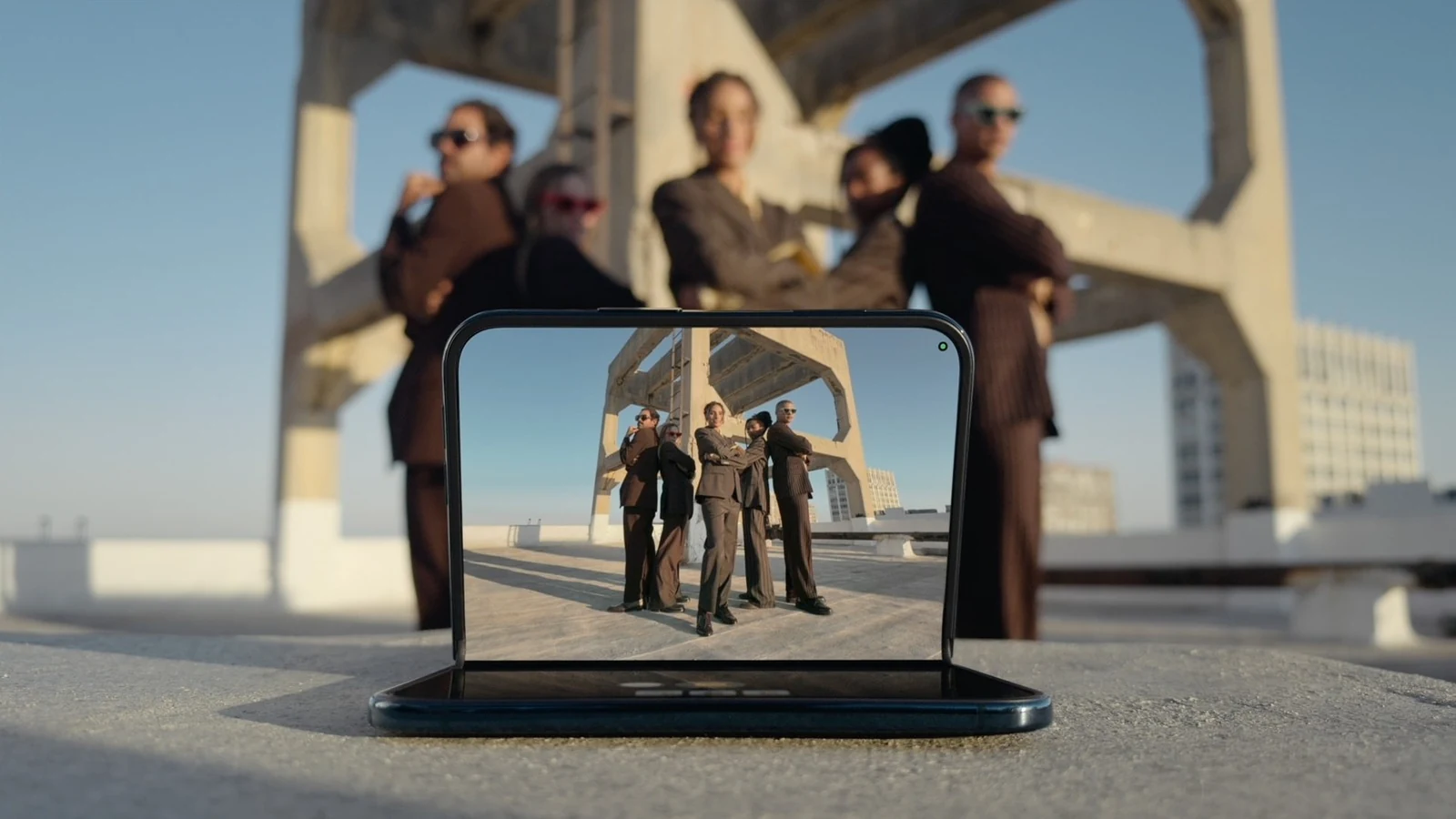
A New Focus on Group Selfies
Apple dedicated significant attention during its September event to the camera capabilities of its newly introduced device, highlighting features aimed at improving group photography. While competitors like Samsung have been doing similar things for years with folding form factors, Apple is leaning heavily into how its new hardware solves traditional selfie limitations.
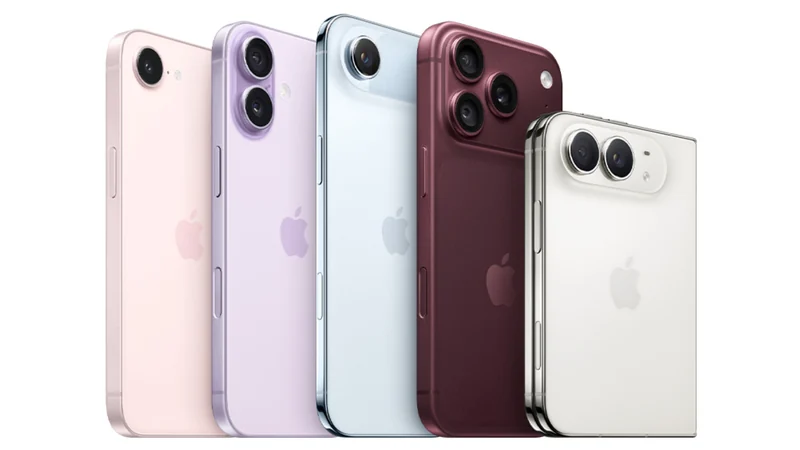
Historically, iPhone owners have faced restrictions when setting up group shots. Even advanced candybar models are limited by front-facing sensor resolutions, while rear cameras offer higher quality but are difficult to utilize when you need to participate in the image. The upcoming device, often discussed in reports covering the iPhone Duo, aims to bridge this hardware gap by combining a flexible chassis with updated iOS capabilities.
Shipping on October 23 with an entry price of $2,000, the foldable device is just one product on the slate from Apple's recent hardware showcase, but it serves as a major indicator of where future smartphone photography is heading.
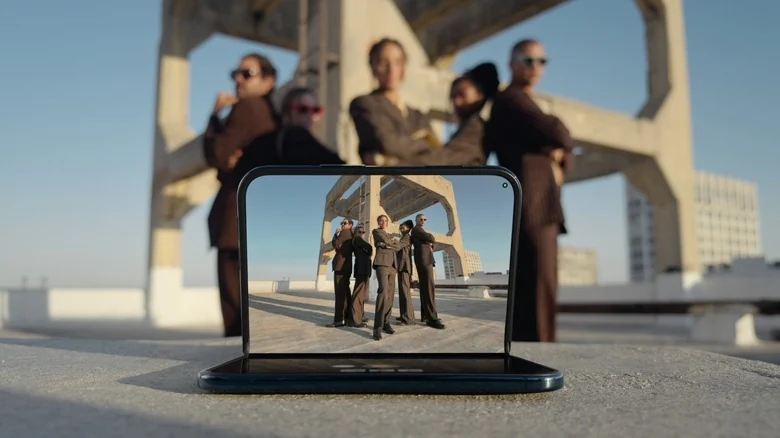
Hardware Flexibility and 48-Megapixel Rear Sensors
By adopting a foldable design, users can tent the device to utilize its superior 48-megapixel rear cameras for group pictures. Rear sensors consistently house Apple's best low-light sensitivity and focus tracking technology, offering significantly sharper images and extra cropping room compared to internal front-facing cameras.
To complement the hardware, the device introduces smart focus tracking—essentially a rebranded version of standalone focus lock systems. Once a subject is tapped, the artificial intelligence system tracks movement and adjusts focus on the fly, even if the subject briefly leaves the frame.
Smart Take and AI Motion-Scanning
The centerpiece of the device's group photography tools is a feature called Smart Take. Designed to eliminate the need for traditional timers, the function actively scans for motion within the camera frame.
When triggered, Smart Take automatically captures a photo the moment everyone freezes, operating on the assumption that a new pose has been adopted. Users can access this option through the extended settings menu of the Camera app. Because iOS 27 allows customization of app controls, users can place a permanent Smart Take button on their interface for quick access.
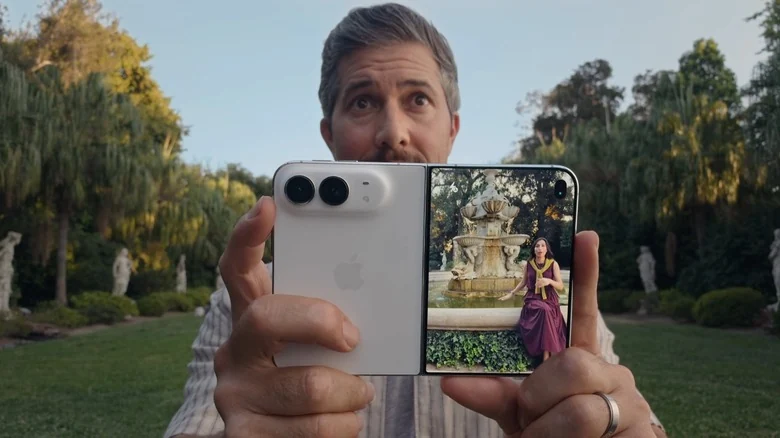
Real-Time Monitoring with Duo Preview
Another major software addition is Duo Preview. When activated during a shooting session, it displays a real-time preview directly on the front screen. This allows everyone in front of the lens to view themselves and make immediate pose adjustments.
While this provides a clear advantage over guessing how a timed shot will turn out, it can also introduce unpredictable group behavior as subjects react to seeing themselves live on screen.
Hardware Limitations and Practical Concerns
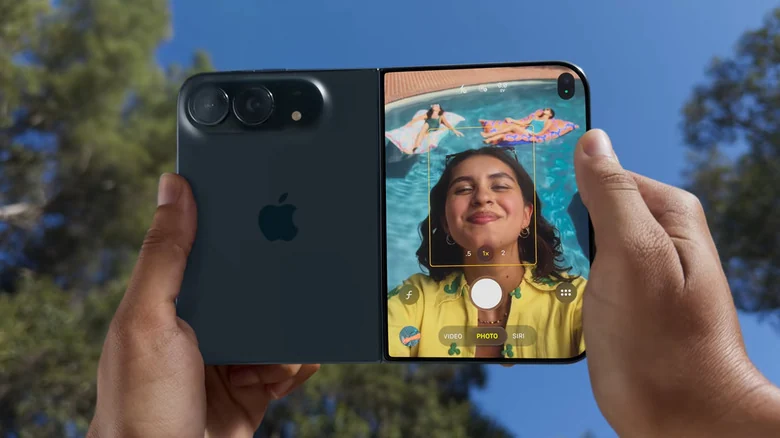
Despite the advanced software additions, the device's first-generation hardware comes with certain limitations. There is no telephoto lens included for these setups, meaning users must rely strictly on wide or ultra-wide angles.
Handheld selfies also present an ergonomic challenge. Opening the device completely and reversing it to use the 48-megapixel rear cameras requires a specific grip, which can be awkward due to the thin bezels on the front display and may lead to accidental touch inputs.
Furthermore, leaving the device standing freely introduces potential stability and security risks. Weighing 8.96 ounces, the unit can be vulnerable to strong winds or accidental bumps, and placing the front display directly against the ground requires careful consideration regarding screen protection.
Sources
- EngadgetHow the iPhone Duo will improve your group selfies
Continue chronologically

Related entity coverage
Related stories
Apple iPhone Duo: Popular Features Missing from the Foldable
Discover the key Apple iPhone features left out of the new iPhone Duo, including FaceID, camera controls, and advanced shooting capabilities.
iPhone 18 Pro Launches With Variable Aperture and Upgrades
Discover what to try first on the new iPhone 18 Pro, featuring a 48-megapixel variable aperture camera, smaller Dynamic Island, and faster charging capabilities.
iPhone Duo vs. iPad Mini: Which Apple Device Is Right For You?
Compare Apple's foldable iPhone Duo and the iPad Mini to determine which device fits your tablet, multitasking, and workflow needs.
How to Improve Your iPhone Call Quality and Fix Issues
Discover actionable steps to improve your iPhone call quality, from utilizing Voice Isolation and toggling Airplane Mode to checking your hardware.