NASA Seeks Commercial Solutions to Save Hubble Space Telescope
Gravity is slowly pulling the Hubble Space Telescope toward a potential atmospheric demise in the 2030s, prompting NASA to look to the private sector for a rescue mission.
 Radwan AbdulhadiEditor and technology writer
The Threat of Orbital Decay
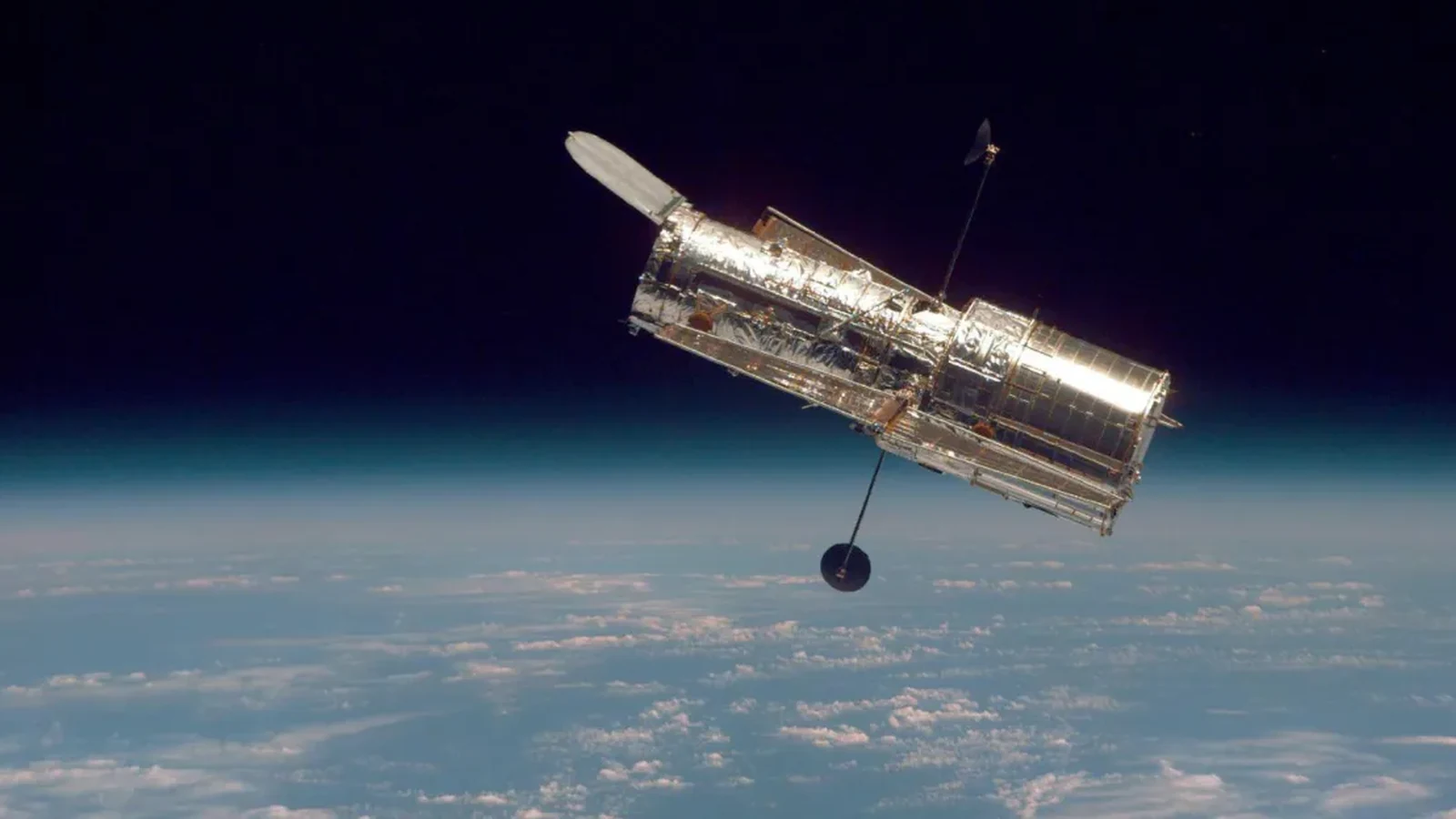
The famous Hubble Space Telescope faces an inevitable demise as gravity slowly drags the observatory closer to Earth with each passing day. While the spacecraft is not in any immediate danger of burning up in the Earth's atmosphere, its operational timeline is set to run out in the early to mid-2030s unless its orbit receives a significant boost. According to reporting detailed by [The Verge](https://www.theverge.com/science/1024239/nasa-commercial-space-save-hubble), the telescope will come crashing to Earth sometime in the 2030s if no intervention takes place.
Orbital decay is a constant challenge for satellites and telescopes operating in low Earth orbit. Without periodic reboosting maneuvers, atmospheric drag gradually degrades their trajectories until they re-enter the atmosphere. For Hubble, finding a way to counteract this descent is critical to preserving one of the most productive scientific instruments in history.
Turning to the Commercial Space Sector
Faced with this orbital challenge, NASA is taking proposals from the private sector to see if any commercial entities possess the capability to save the telescope. The agency is actively exploring whether the burgeoning commercial space industry can offer innovative solutions to extend the mission's lifespan. Further details regarding this initiative were outlined in an official [post on NASA’s site](https://science.nasa.gov/missions/hubble/nasa-explores-potential-commercial-servicing-for-hubble-telescope/) published by the agency.
The strategy aligns with NASA's broader trend of leveraging private industry capabilities for space exploration and asset maintenance. By opening the floor to commercial contractors, the agency hopes to uncover fresh approaches that could prove both technically feasible and economically viable.
Statements from NASA Leadership
Highlighting the importance of the mission, NASA Administrator Jared Isaacman shared his perspective on why exploring commercial servicing options is vital. In a statement released by the agency, Isaacman noted that Hubble still has important science ahead of it, and officials should be examining every reasonable opportunity to keep it delivering data for as long as possible.
Isaacman further emphasized the responsibility held by the agency, stating that if innovative and cost-effective ways exist to extend the life of an asset already in orbit, the agency owes it to the American taxpayer and the scientific community to explore them. Extending Hubble’s operational timeline would translate to more discoveries, enhanced scientific output, and additional opportunities to expand our understanding of the universe.
Submission Deadlines and Next Steps
To gather comprehensive input from aerospace companies and technology providers, the agency has officially launched a formal [Request for Information](https://sam.gov/workspace/contract/opp/2ecd9dbf4a3946b4968cc0ebaa75d0b3/view) directed at interested industrial partners.
Aerospace contractors and commercial space providers wishing to submit their concepts and technical capabilities must do so before the deadline. The agency has confirmed that the submission window will remain open through November 30th at 3 PM ET, after which evaluators will review the proposals to determine the feasibility of any potential rescue mission.
Sources
- The VergeNASA hopes the commercial space industry can help save Hubble
Continue chronologically


Related stories
NASA Releases Nearly 1 TB of Artemis II Data to Public
NASA has made roughly 800 gigabytes of scientific data from the Artemis II mission available to the public, including images, audio, and reports.
NASA Updates Artemis Lander Plans and Solves Orion Issue
NASA has detailed updated Artemis lunar lander plans, modifying mission architecture for SpaceX and Blue Origin while addressing Orion propulsion challenges.
Japan Launches MMX Mission to Retrieve Samples From Phobos
Japan has successfully launched the MMX spacecraft on a five-year mission to land on Mars' largest moon, Phobos, and return samples to Earth.
US Space Force Seeks New Spaceport by 2030 to Relieve Bases
The US Space Force is under pressure to find a location for a new heavy-lift spaceport by 2030 to relieve launch congestion in Florida and California.