Why Using One Earbud More Than the Other Causes Wear
Using a single wireless earbud more frequently than its counterpart can lead to accelerated wear and tear, faster battery drain, and charging imbalances.
 Radwan AbdulhadiEditor and technology writer

The Evolution of Single-Ear Audio Habits
Historically, dedicated Bluetooth earpieces were common devices utilized primarily for hands-free phone calls without completely blocking out ambient surroundings. Over time, these single earpieces were largely replaced by modern wireless earbuds operating in mono mode, where users can place a single bud in the ear for similar convenience.
However, continuous reliance on only one side of a stereo set introduces mechanical and electrical imbalances. According to recent insights detailed by <a href="https://www.engadget.com/2301054/using-one-earbud-more-than-other-cause-uneven-wear-and-tear/">Engadget</a>, using one earbud more frequently than the other chips away at its lifespan and creates an uneven usability balance.
Battery Drain and Charging Imbalances
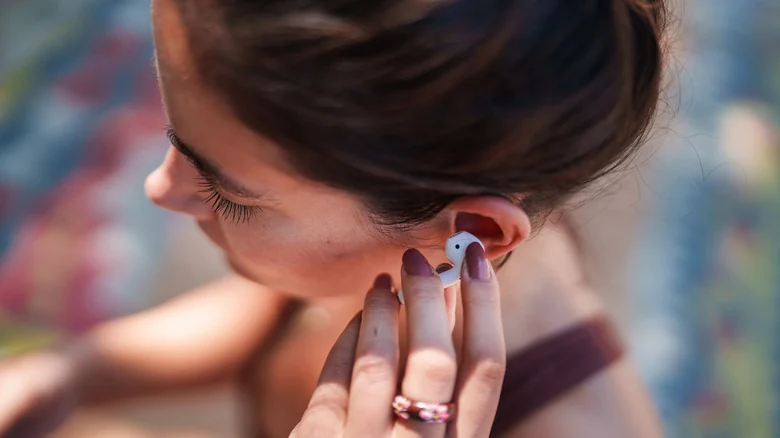
Because electronic devices have a limited number of charging cycles, wearing one earbud more heavily forces it through more battery cycles than the other. Even though both buds recharge inside the same case, a bud that has been depleted to 50 percent requires more power and time to recharge compared to one sitting at 80 percent.
Furthermore, the Bluetooth transmission process and phone call audio consumption place a heavier demand on whichever bud is active. Over time, this leads to the heavily used bud dying much faster than its counterpart, occasionally forcing unexpected mono mode or total playback failure depending on the device architecture.
Master/Slave Setups Versus Role-Swapping Designs
Hardware configuration plays a crucial role in how single-bud usage affects performance. Some older or simpler wireless earbud models rely on a master/slave setup, where only the primary master bud connects directly to the phone and transmits data to the secondary bud. In these hardware configurations, users are restricted to using only the designated master bud in mono mode.
Fortunately, most newer earbuds outside of cheaper entry-level options feature role-swapping designs that support mono playback from either side. Popular market examples, including <a href="https://www.engadget.com/audio/headphones/best-wireless-earbuds-120058222.html">the best wireless earbuds</a> such as Samsung Galaxy Buds and Google Pixel Buds, allow users to alternate sides and help even out the hardware imbalance.

Practical Alternatives for Environmental Awareness
Many individuals default to single-bud listening because they want to remain aware of their surroundings, such as hearing traffic, coworkers, or public announcements. Instead of wearing a single earbud continuously, experts recommend utilizing transparency or ambient modes available on many contemporary listening devices. These built-in software modes allow external sounds to pass through clearly while both ears remain securely plugged.
For specific scenarios like operating a motor vehicle, safety regulations and laws regarding headphone usage vary significantly. As outlined in reports covering <a href="https://www.engadget.com/2230991/can-you-wear-headphones-while-driving-car-it-depends/">the legality of which varies by state and location</a>, wearing audio gear while driving depends entirely on regional legislation, making vehicle speakerphone systems a more reliable choice.
Mitigating Wear and Tear
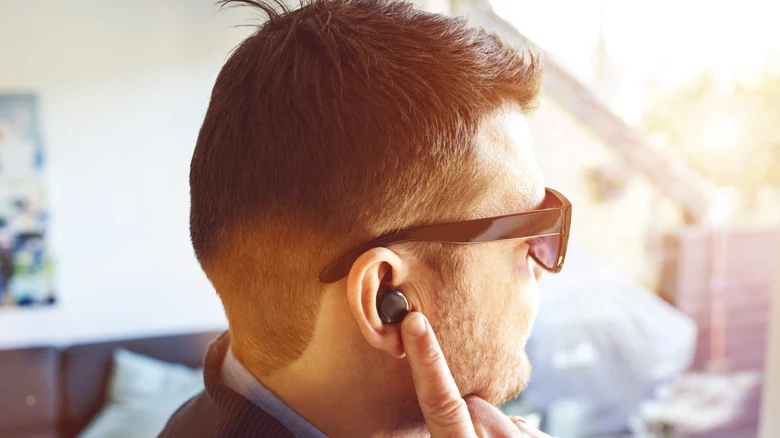
To extend the overall operating lifespan of wireless audio equipment, consumers should limit single-bud usage to brief phone calls or necessary translation tasks. If single-device usage is strictly required for professional environments, dedicated single Bluetooth earpieces from manufacturers like Poly and BlueParrott remain available.
Ultimately, alternating between both buds, investing in devices featuring transparency modes, or utilizing older secondary hardware for single-ear tasks will prevent premature battery degradation and ensure balanced device longevity.
Sources
- EngadgetHow using one earbud more than the other can cause uneven wear and tear
Continue chronologically


Related entity coverage
Related stories
Exploring Android's Built-In Screen Time Tool
Discover Android's built-in Digital Wellbeing app, a hidden screen-time tracker designed to help break scrolling habits and set boundaries.
What to Look For When Buying a Cheap Android Phone
Discover the essential non-negotiable features you need to look for when shopping for a budget Android phone priced at $300 or less.
Samsung Intelligent Eyewear Launch Set for December
Samsung’s upcoming Android XR intelligent eyewear lineup is reportedly preparing for a launch in the United States and South Korea ahead of Christmas.

iPhone Duo vs Pixel 11 Pro Fold: Foldable Flagship Comparison
Compare Apple's iPhone Duo and the Google Pixel 11 Pro Fold across screens, cameras, design, and performance to see how these foldables differ.