Building an Xbox Series S Equivalent PC Costs Around $740
Constructing a desktop computer capable of delivering a gaming experience similar to Microsoft's entry-level console requires careful component selection and a budget well above the console's retail price.
 Radwan AbdulhadiEditor and technology writer
The Challenge of Matching Console Hardware
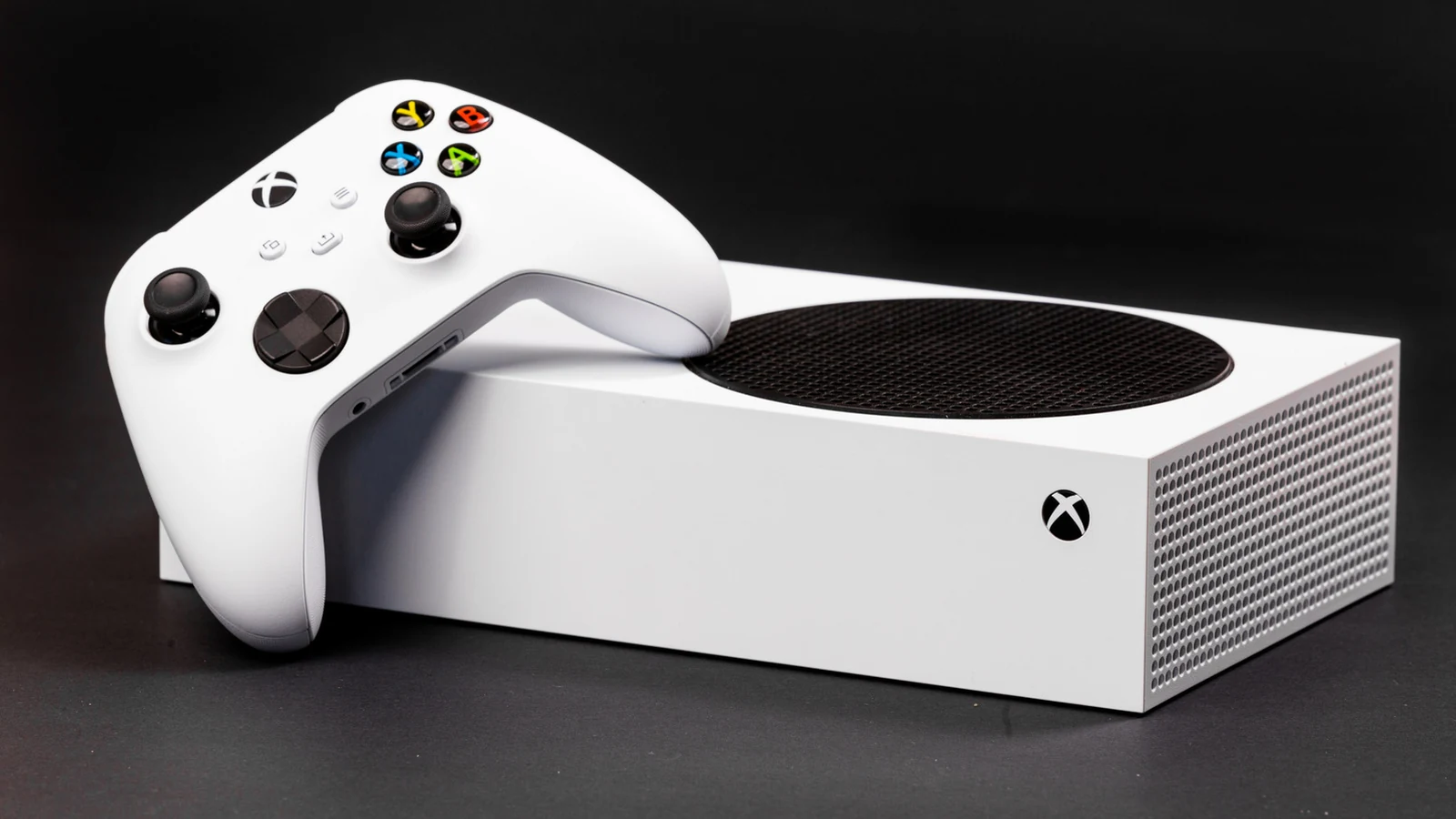
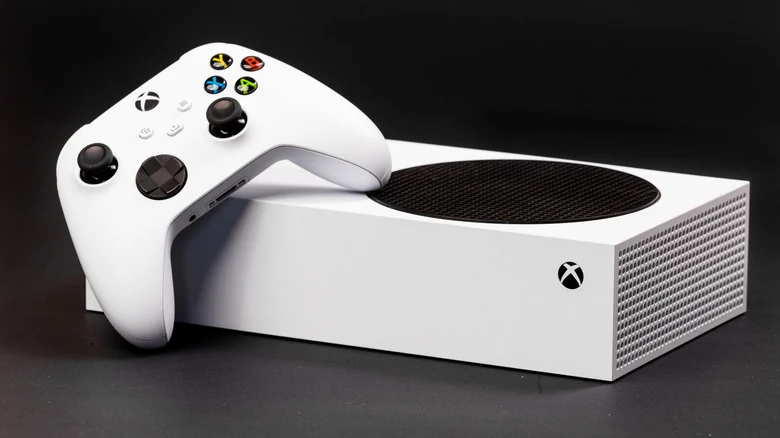
Microsoft markets the Xbox Series S as a value pick for console gamers, running games at 1440p and up to 120 FPS. Its hardware may be a bit dated, and even the 512GB base model runs $500 after recent price hikes, but PCs aren't cheap either now, as AI's demand for computer hardware continues to drive consumer hardware prices ever higher. Even old GPUs are now valuable.
An Xbox is limited to gaming and media consumption, which makes building a Series S equivalent a worthwhile pursuit for users who want desktop versatility. However, because the console utilizes older, custom hardware, there is no direct apples-to-apples comparison for current-generation custom PC builds. While developers actively optimize games for the console's older parts, a PC requires a different approach to achieve a smooth entry-level gaming experience.
Processor and Motherboard Selection
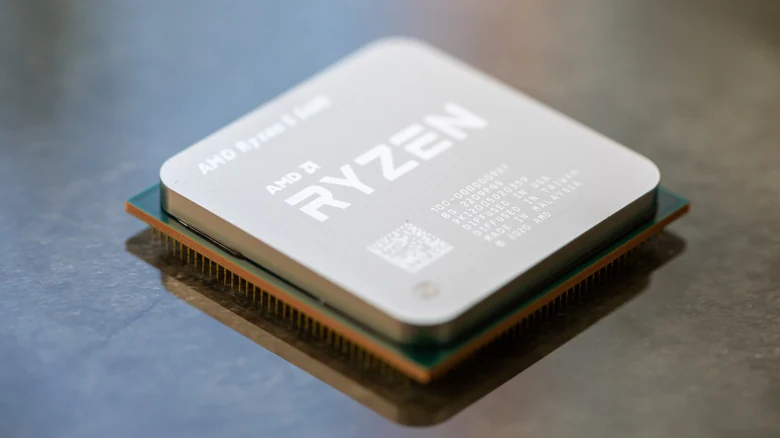
The theoretical PC build relies on an AMD CPU and GPU configuration to keep things as even as possible. Opting for the AM4 platform rather than AM5 helps save money on the motherboard and RAM while still delivering superior performance compared to the Zen 2 component found in the Series S. The budget processor pick is a Ryzen 5 5600, while enthusiasts seeking better gaming performance through a larger L3 cache can look to the Ryzen 5 5600X3D.
Utilizing the AM4 platform allows the system to run DDR4 RAM instead of more expensive DDR5 memory. Building around the B550M chipset requires a reliable motherboard with proper VRM heatsinks and no PCIe-related bottlenecks, such as the ASRock B550M Phantom Gaming 4, which ensures stable operation after any necessary BIOS updates.
Memory and Graphics Choices
To ensure optimal performance, the system avoids a single memory stick in favor of dual-channel architecture. Lenovo's 2x4GB DDR4 kit provides respectable speeds at an affordable price point, helping the computer outperform the console's unified system memory without driving up the overall build cost.
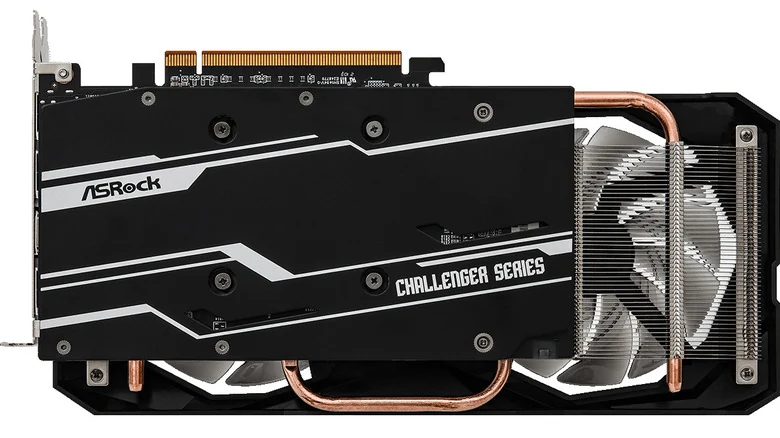
Selecting a graphics card presents a unique challenge, as older cards lack support for newer software titles and alternative options like the GeForce RTX 3050 may feature limited VRAM for modern gaming workloads. To mitigate these concerns, the build incorporates an ASRock Challenger Radeon RX 7600 8GB, delivering significantly better paper performance than the Xbox Series S while maintaining compatibility with current standards.
Cooling, Storage, and Final Cost
Rounding out the hardware list requires a selection of supporting components, including a CPU cooler, a storage drive, a power supply unit, and a computer case. A Thermalright Peerless Assassin 120 SE handles cooling duties, while a 512GB solid-state drive matches the storage tier of the base console. Power is supplied by a 600W Thermaltake Toughpower GX2 with 80+ Gold certification, housed within a compact micro-ATX tower.
When combining all components at the lowest available prices, the complete system build totals roughly $740 before taxes. While this total significantly exceeds the current price of an Xbox Series S and doubles the console's initial launch cost, the resulting desktop computer offers broader utility beyond standard media consumption and gaming.
Sources
- EngadgetHow much would it cost to build a PC similar to the Xbox Series S?
Continue chronologically


Related entity coverage
Related stories
Why the Xbox Series S Remains Far Cheaper Than the Series X
Discover why the Xbox Series S is significantly more affordable than the Series X, exploring hardware differences, performance, and storage capabilities.
Why Hardware-Accelerated GPU Scheduling Hurts Cheap GPUs
Tests show that hardware-accelerated GPU scheduling can consume nearly 1GB of VRAM, posing a major issue for 6GB and 8GB graphics cards.
AMD Bringing FSR 4.1 Upscaling to Xbox and Handhelds
AMD announces that its FSR 4.1 upscaling technology is coming to Xbox Series X and S consoles, laptops, older GPUs, and handheld devices.
Nvidia GPU Driver 621.01 Adds Advanced Shader Delivery
Nvidia's latest 621.01 GPU driver introduces Microsoft's Advanced Shader Delivery technology to speed up game launches and reduce stutters.