NASA Releases Nearly 1 TB of Artemis II Data to Public
NASA has released approximately 800 gigabytes of scientific data collected during the historic flight around the moon, providing researchers and the public with unprecedented access to mission records.
 Radwan AbdulhadiEditor and technology writer
Comprehensive Data Release From the Far Side of the Moon
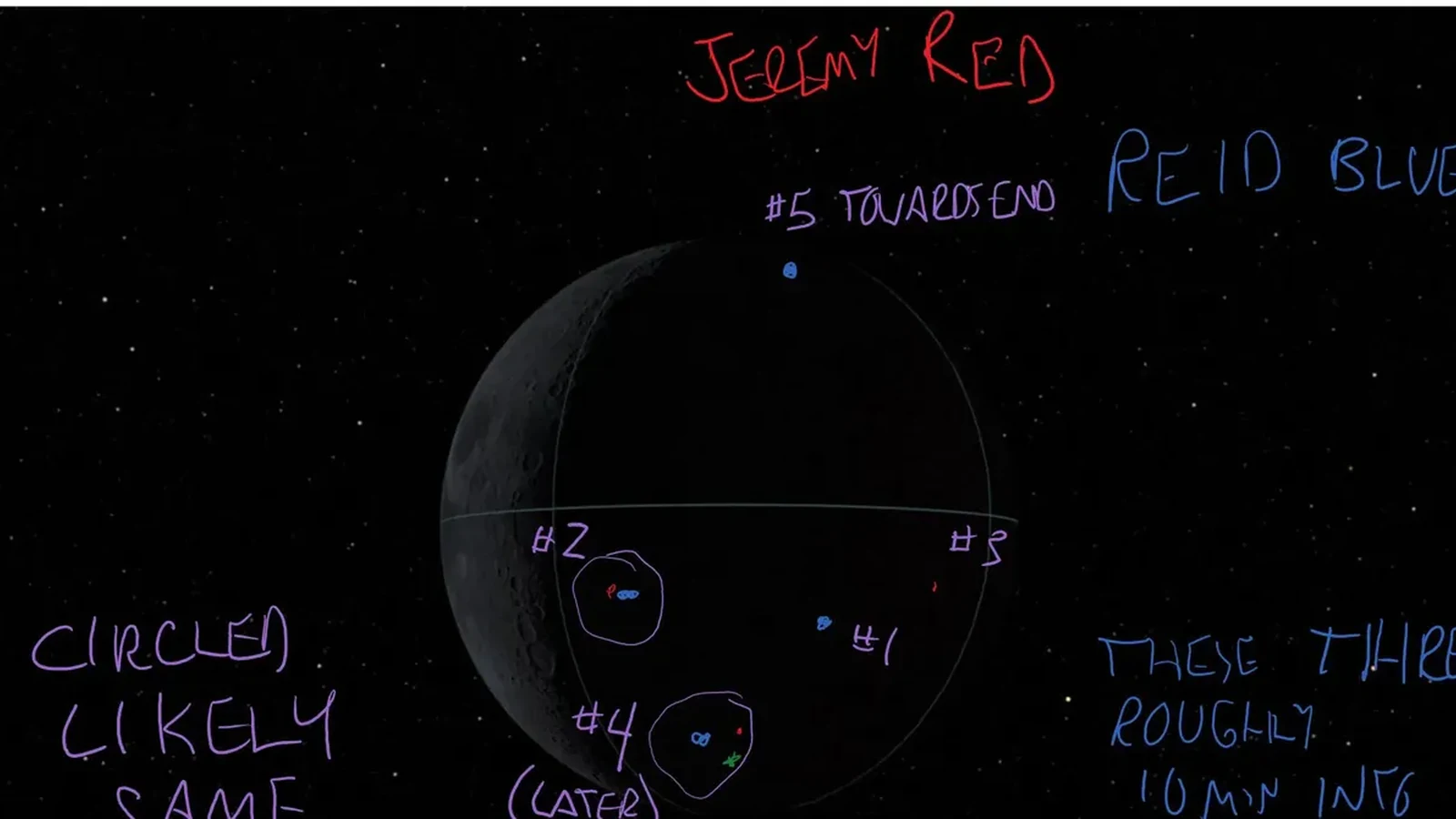
According to a report by WIRED, NASA has officially made about 800 gigabytes of scientific information available to the public following the [Artemis II mission](https://www.wired.com/story/artemis-ii-returns-from-historic-flight-around-the-moon/). This extensive archive documents the astronauts' return to the far side of the moon and includes 11,000 full-resolution images and videos alongside 8.5 hours of spoken observations.
The public data drop also incorporates notes taken by the astronauts, detailed transcripts, and high-resolution photographs captured from the cameras aboard the Orion capsule. Space agency officials note that this release marks the first set of [planetary science data](https://www.wired.com/story/astronomers-confirm-discovery-of-youngest-known-exoplanet-ever/) obtained outside Earth and directly by humans in more than fifty years.
Official Reports and Specialized Documentation
Alongside the massive raw database, the space agency published three primary documents summarizing insights gathered during the first crewed spacecraft mission to approach the moon in five decades. Researchers, engineers, and academics can now download the [Artemis II Preliminary Lunar Science Report](https://assets.science.nasa.gov/content/dam/science/missions/artemis/artemis-ii-prelimsci-report-/Artemis%20II_Preliminary%20Science%20Report.pdf?utm_source=chatgpt.com) for a broad overview of initial findings.
Furthermore, NASA made the [Artemis II Lunar Science Operations Report](https://assets.science.nasa.gov/content/dam/science/missions/artemis/artemis-ii-prelimsci-report-/Artemis%20II_Lunar%20Science%20Operations%20Report_2Oct2026.pdf?utm_source=chatgpt.com) available alongside technical user instructions. Those working directly with the files can consult the [Artemis II Lunar Science Data User Guide](https://assets.science.nasa.gov/content/dam/science/missions/artemis/artemis-ii-prelimsci-report-/artemis2_data_user_guide.pdf?utm_source=chatgpt.com) for comprehensive instructions on navigating the dataset.
Target Audience and Repository Access
While the near-terabyte archive is publicly accessible, the release is primarily geared toward the scientific research community. Specialists such as planetary geologists, flight engineers, heliophysicists, and telecommunications experts will analyze the information to uncover [new findings about the moon](https://www.wired.com/story/5-mysteries-that-the-artemis-missions-to-the-moon-could-finally-solve/).
Space enthusiasts and casual observers can also explore more accessible parts of the archive, such as [mission transcripts](https://pds-imaging.jpl.nasa.gov/tools/atlas/archive-explorer?bundle=artemis2_mission_audio&mission=artemis2&utm_source=chatgpt.com) and [lunar photographs annotated](https://pds-imaging.jpl.nasa.gov/tools/atlas/archive-explorer?bundle=artemis2_crew_camera&mission=artemis2&utm_source=chatgpt.com) directly by the flight crew. Centralized access is provided through the [Planetary Data System](https://pds-geosciences.wustl.edu/missions/artemis2/index.htm?utm_source=chatgpt.com), where users can browse collections or download raw files alongside their metadata.
Early Scientific Results and Future Implications
Initial evaluations of the Artemis II data have already generated concrete discoveries. Most notably, researchers detected five small meteoroid impacts hitting the lunar surface during a 54-minute eclipse witnessed by the Orion crew. Recording these flashes allows scientists to better estimate how frequently centimeter-sized fragments impact the moon, helping calculate risks for future lunar vehicles and habitats.
In addition to tracking meteoroid impacts, the observations highlight variations in color, brightness, and texture across different lunar terrains. Photographs captured near the lunar terminator—where day meets night—provide detailed views of how visibility and terrain shift under low solar angles, conditions expected to impact future missions near the lunar south pole.
Sources
- WIREDNASA Just Made Nearly 1 TB of Artemis II Data Available to the Public
Continue chronologically


Related stories
NASA Seeks Commercial Solutions to Save Hubble Space Telescope
NASA is taking proposals from the commercial space industry to boost the Hubble Space Telescope's orbit and extend its operational life.
NASA Updates Artemis Lander Plans and Solves Orion Issue
NASA has detailed updated Artemis lunar lander plans, modifying mission architecture for SpaceX and Blue Origin while addressing Orion propulsion challenges.
Japan Launches MMX Mission to Retrieve Samples From Phobos
Japan has successfully launched the MMX spacecraft on a five-year mission to land on Mars' largest moon, Phobos, and return samples to Earth.
Ancient 4.1-Billion-Year-Old Martian Meteorite Found in Sahara
Discover how a 4.1-billion-year-old meteorite found in the Sahara Desert preserves crucial chemical secrets about Mars' ancient watery past.