US Space Force Seeks New Spaceport by 2030 to Relieve Bases
Military leaders face a tight deadline and unresolved site locations as they push to establish a third heavy-lift launch base by the end of the decade.
 Radwan AbdulhadiEditor and technology writer
The Urgent Need for a Third Heavy-Lift Launch Base
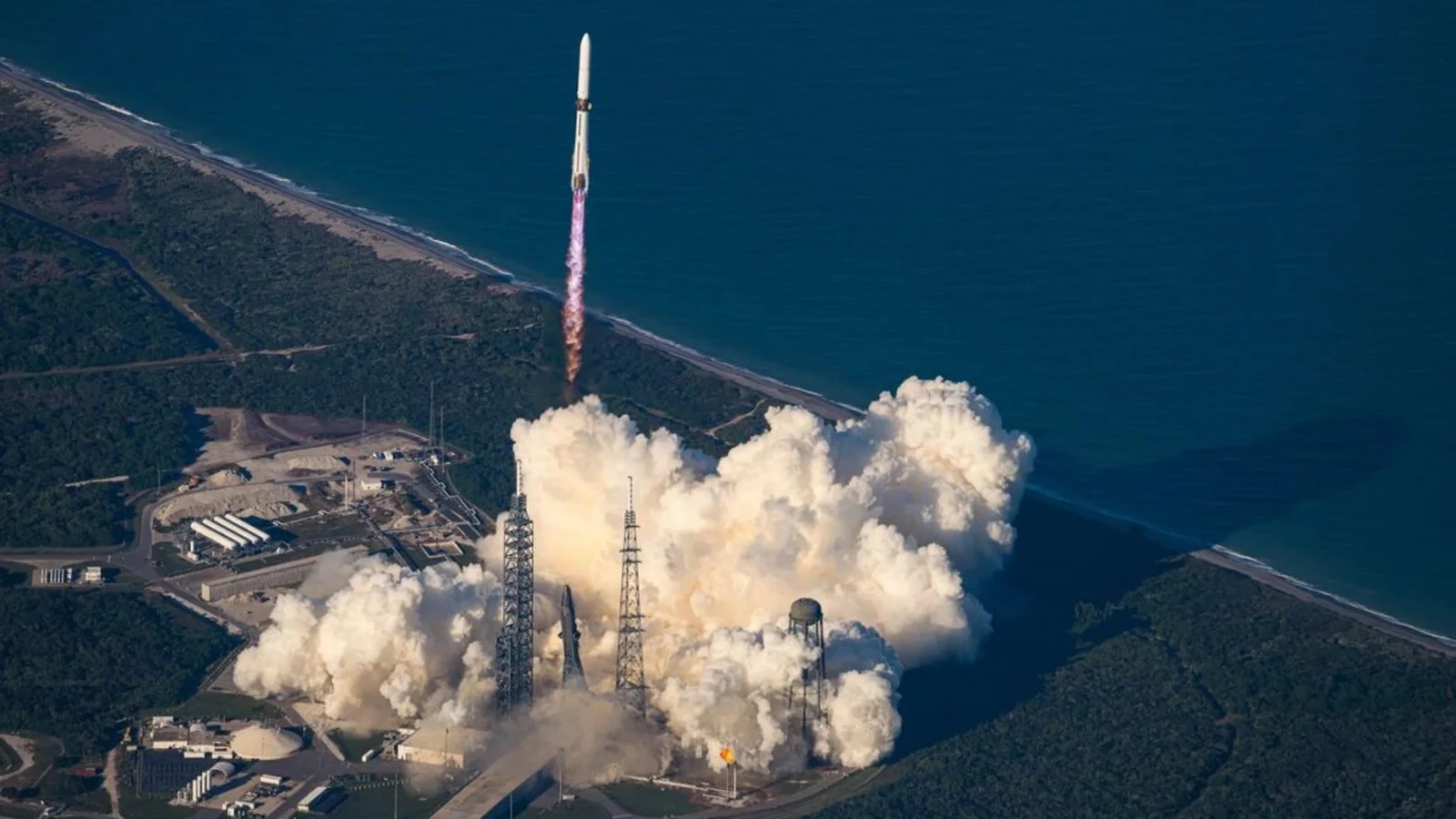
Leaders within the US Space Force are looking to establish a brand-new spaceport up and running within four years. This new facility would serve as a critical third heavy-lift launch site, intended to relieve escalating pressure from long-established bases in Florida and California that have continuously launched rockets into orbit for nearly seven decades.
The primary challenge facing this ambitious initiative is that 2030 is only four years away, yet Pentagon officials have not finalized where the new spaceport will be located or how the military will acquire the necessary land. Air Force Secretary Troy Meink first publicly mentioned the service's active search for a third launch base during a House Armed Services Committee hearing, citing a congressionally mandated study that identified an urgent requirement for another site capable of handling heavy and super heavy launch capabilities.
Surging Launch Demands and Strategic Resiliency
The push for expansion follows broader government initiatives, including when the Trump administration released a space transportation policy that endorsed constructing additional launch and reentry sites to accommodate a surge in commercial and military missions.
Last year alone, Cape Canaveral Space Force Station and Kennedy Space Center in Florida, alongside Vandenberg Space Force Base in California, handled 175 orbital launch attempts. Looking ahead, Space Force officials project that the nation's established spaceports will need to support an astonishing 700 launches per year by 2036.
Establishing a third launch site would help offload some of the intense launch demand currently concentrated on limited real estate at Cape Canaveral and Vandenberg. Furthermore, military leaders emphasize that a new facility would introduce vital "geographic resiliency," mitigating the risk of a natural disaster or military attack disabling the existing primary bases.
Aspirational Timelines and Siting Considerations
Lt. Gen. Philip Garrant, head of Space Systems Command, outlined what he described as an aspirational timeline during a recent briefing regarding the procurement of military launch services.
"We need this capability by 2030, but I’m also a pragmatist," Garrant stated, noting the intricate challenges involved. "That is not an inconsequential demand to build a spaceport when you factor in orbital regimes, safety, access to commodities, the Americans that live near it. In many ways, it’s much like an airport, but even louder. So there’s a lot of consideration."
Despite the tight timeline, no firm plan currently exists regarding when the military will begin officially setting up the new launch base. Garrant noted that success will rely heavily on strong partnerships with local and state governments, though decision timelines remain undefined.
Exploring Federal, State, and Commercial Options
The federal government currently owns a third spaceport located at NASA’s Wallops Flight Facility in Virginia, though it is primarily utilized for suborbital rocket tests alongside small- and medium-class satellite launches. Additionally, small rockets can launch from the Pacific Spaceport Complex, which is owned by the state of Alaska.
Beyond government-owned facilities, the Space Force is also evaluating various commercial alternatives. When asked whether the military might consider leasing property from a privately owned base—such as the expansive infrastructure that SpaceX plans to build in southern Louisiana—Garrant confirmed all options remain open.
"We’ve discussed that we need to consider all of those opportunities: public-private partnership, new federal installation, state land, leveraging commercial land—all of those are possibilities," Garrant explained. While each approach carries distinct pros and cons and no final decision has been reached, the military is not discounting any potential path forward.
Sources
- Ars TechnicaInside the Pentagon, the pressure is on to find a home for a new spaceport
Continue chronologically

Related stories
SpaceX Declines Space Force Missions Amid Industry Capacity Pressures
SpaceX recently turned down three military launch contracts from the US Space Force, highlighting ongoing capacity challenges within the aerospace sector.
NASA Updates Artemis Lander Plans and Solves Orion Issue
NASA has detailed updated Artemis lunar lander plans, modifying mission architecture for SpaceX and Blue Origin while addressing Orion propulsion challenges.
Satlyt Raises $8M to Run AI Software on Satellites
Satlyt has raised an $8 million seed round to build open, horizontally integrated software for running artificial intelligence on satellites.
NASA Seeks Commercial Solutions to Save Hubble Space Telescope
NASA is taking proposals from the commercial space industry to boost the Hubble Space Telescope's orbit and extend its operational life.