SafeWorld Emerges From Stealth With $12.2M
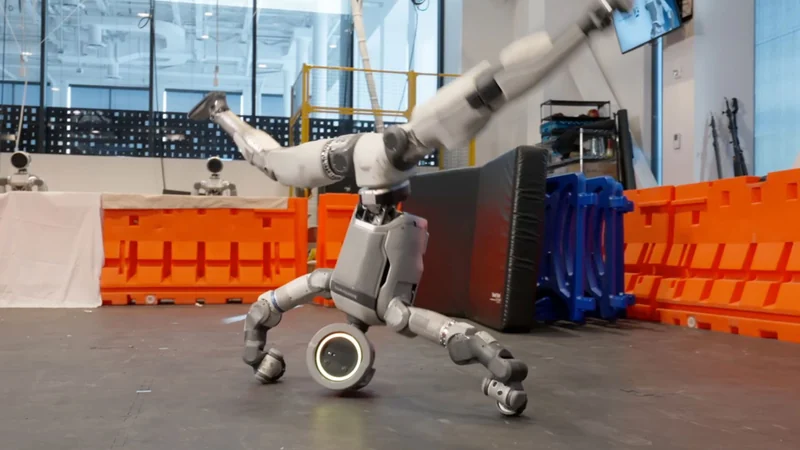
SafeWorld has stepped out of stealth mode backed by $12.2 million in seed funding to deliver advanced safety simulation software for enterprises building and deploying AI-driven robots.
 Radwan AbdulhadiEditor and technology writer
Emerging From Stealth With $12.2M in Seed Funding
Oakland, California-based startup SafeWorld has officially emerged from stealth mode, securing $12.2 million in seed funding to address the growing need for safety testing in AI-powered robots. The funding round was co-led by Shine Capital and a16z Speedrun, with additional participation from Box Group, Carnegie Mellon University Endowment, Innovation Endeavors, SV Angel, and other leading venture capitalists and angel investors.
The company's platform provides testing and simulation software designed to help enterprises evaluate and deploy robots safely and responsibly. According to co-founder and CEO Kyle Wong, the rapidly expanding capabilities of modern robots necessitate more sophisticated validation methods. Further details are available through The Robot Report.
Addressing the Next Level of Robot Automation and Collaboration
Co-founder Ding Zhao, who also serves as director of the Safe AI Lab at Carnegie Mellon University, highlighted how artificial intelligence has transformed automation. While industrial automation has existed for decades, modern AI allows robots to leave restricted cages and share physical workspaces alongside humans.
This level of close human-robot collaboration demands a brand new level of situational understanding and safety verification. SafeWorld aims to bridge this gap by enabling robotics companies to build dependable safety systems efficiently without having to construct testing frameworks from scratch every single time.
Browser-Based Simulation and Continuous Testing
SafeWorld provides simulation technology that grants enterprises a scalable method to test how robots behave around people during rare, dangerous, and unexpected situations. Engineering teams can build safety scenarios directly in the browser using past incidents, established safety standards, and robot logs without needing dedicated simulation expertise.
The software runs robots through thousands of variations featuring realistic, reactive human motion to accurately measure safety performance. Because software updates and changing environments introduce fresh risks, teams can run these evaluations continuously rather than relying on a single test prior to launch.
Multi-Industry Applications Across Manufacturing and Logistics
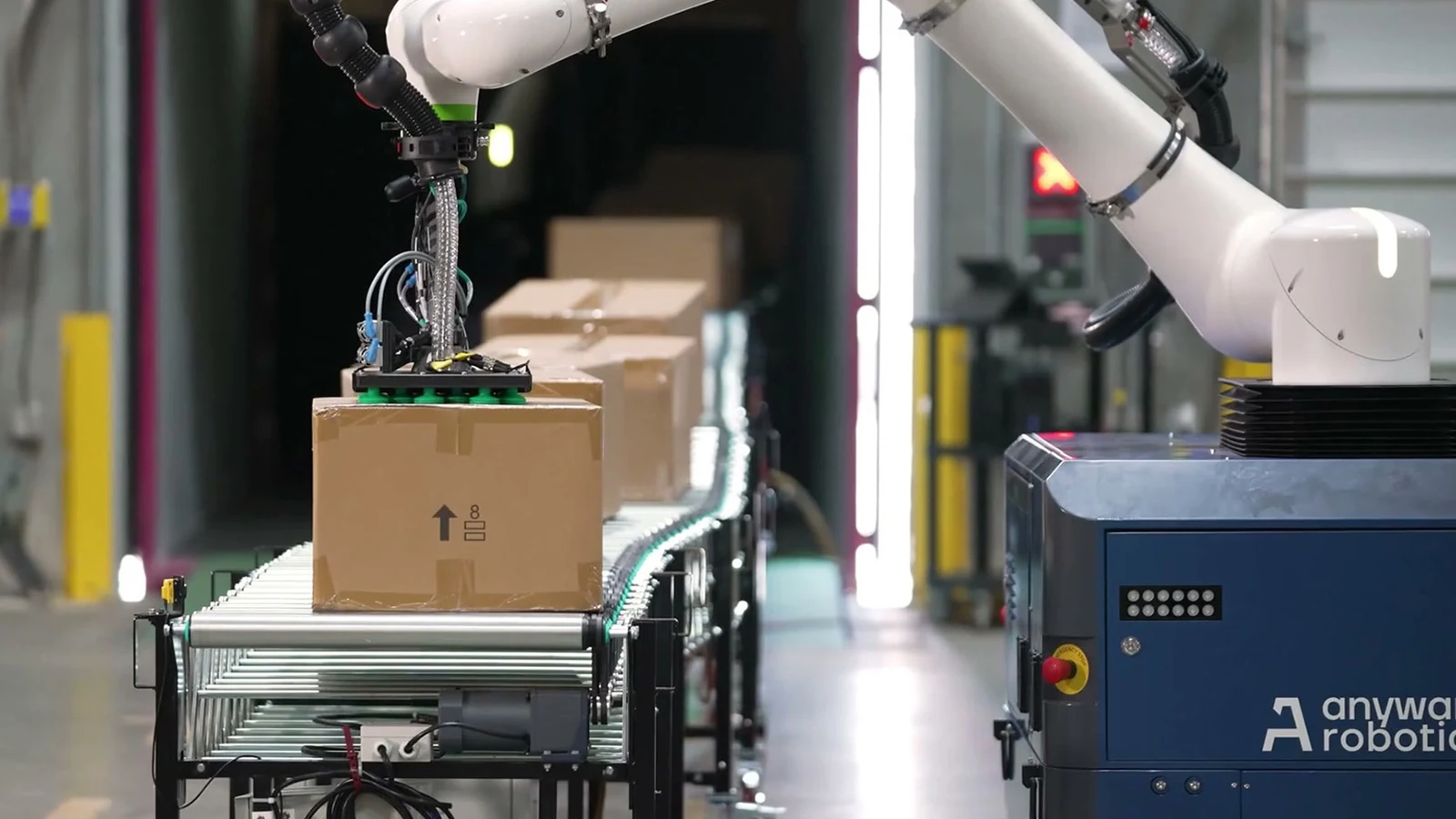
SafeWorld's platform accommodates a wide range of industries and robot embodiments, including robotic arms, humanoids, and mobile platforms. The company currently serves customers across various sectors, addressing complex use cases in manufacturing and warehousing logistics.
In addition to industrial environments, SafeWorld's technology extends to construction sites and even home deployment scenarios where safety compliance remains a vital operational priority.
Strategic Deployment Timelines and Building Industry Trust
When deciding when to engage with safety simulation tools, Kyle Wong noted that companies targeting deployment timelines under one year should actively focus on safety validation. For organizations bringing AI capabilities to existing hardware frameworks, safety is imperative from Day 1.
Industry partners have echoed the value of these testing methods. Thomas Tang, CEO of Anyware Robotics, noted that advanced simulation tools give developers a scalable way to strengthen safety processes and prepare robots for real-world operations.
Looking ahead, SafeWorld plans to direct its newly acquired capital toward deepening enterprise adoption, expanding its internal team, and championing open-source safety research across the global robotics sector.
Sources
- The Robot ReportSafeWorld emerges from stealth to build, deploy robot safety simulation technologies
Continue chronologically

Related stories
Safeworld Emerges with $12M to Validate Gen AI Robots
Safeworld exits stealth with a seed round of over $12 million to evaluate robotic control systems in simulations with realistic human models.

Project ProtoStar Unveiled to Make Public Science AI-Ready
Project ProtoStar brings together universities and open science communities to make publicly funded research datasets and models AI-ready.

Destro AI Emerges From Stealth With $8 Million Seed Round
Startup Destro AI exits stealth mode with an $8 million seed round, focusing on an AI intelligence layer that coordinates both robots and human workers.
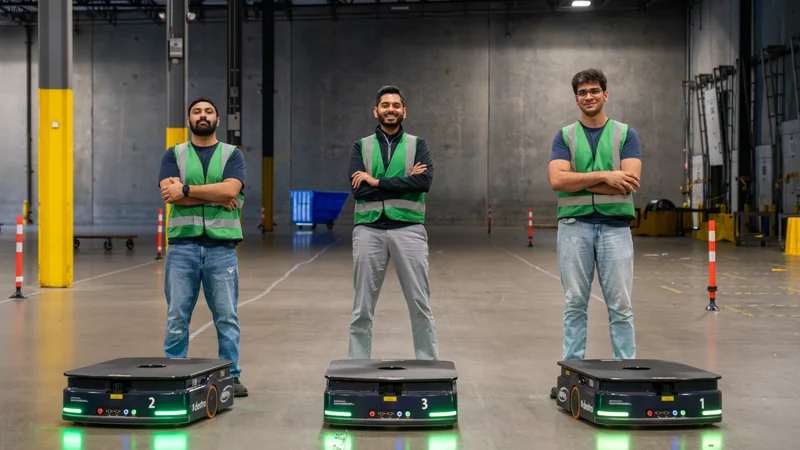
Will 'Boring' Robots Win in the Real World?
Explore why physical AI and robotic form factors must follow specific industrial workflows rather than relying on viral social media demonstrations.