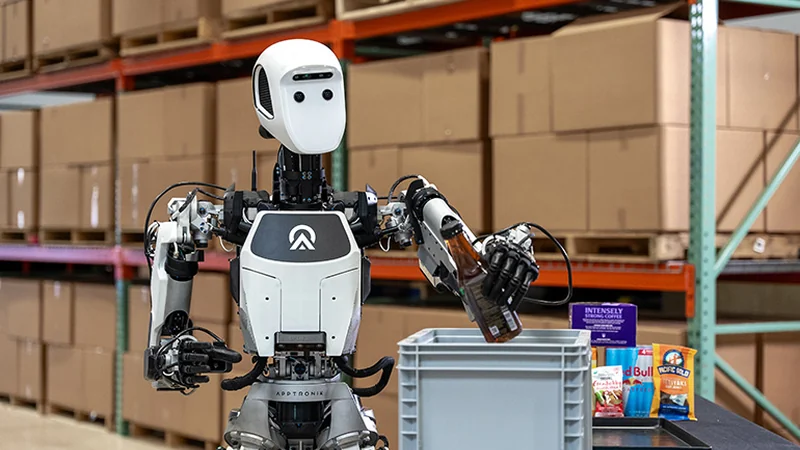
Will 'Boring' Robots Win in the Real World?
Transitioning physical AI from social media feeds to sustained commercial success requires shifting from a robot-first mindset to a workflow-driven design methodology.
 Radwan AbdulhadiEditor and technology writer
The Shift from Viral Demos to Commercial Reality
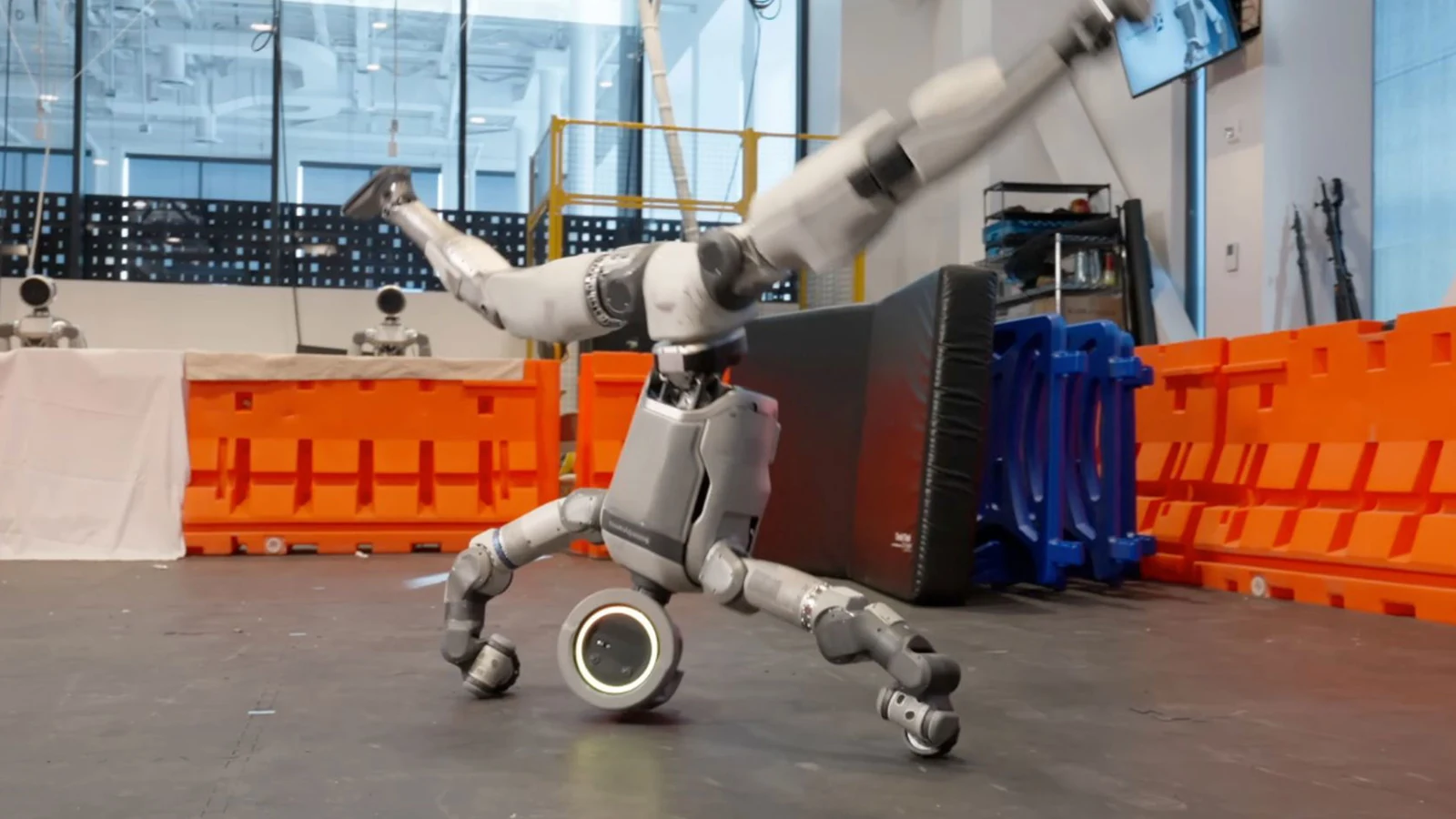
Robots have captured global imagination through viral demonstrations showing humanoids balancing on one leg, executing backflips, folding laundry, and navigating difficult terrain. According to The Robot Report, these impressive feats illustrate that embodied artificial intelligence has reached a brand-new technical stage.
At the same time, the definition of a humanoid robot is shifting as manufacturers modify platforms with wheels, extra sensors, and alternative manipulators while removing traditional heads and eyes. However, industry observers note that developers frequently fall into the trap of robot-forward thinking by building an extraordinary platform first and then searching industrial sites for matching tasks.
Designing Hardware Around the Workflow
To achieve sustained commercial deployment, the industry must reverse its approach by working backwards from the economic workflow. Designing a platform first often yields a compromised hardware stack that fails to meet specific industrial demands.
For instance, comparing an automotive pin insertion task to bulk pallet packing in logistics reveals starkly different engineering requirements. While pin insertion demands tight clearances and fast contact-force resolution, bulk logistics operations require heavy payload capacity and long-term structural rigidity without mechanical drift.
Properly aligning force sensing with error budgets can transform sensing costs into a clear return on investment. Tests demonstrate that maintaining precise contact force can significantly reduce connector scrap, yielding substantial annual savings per assembly line.
Greenfield Versus Brownfield Facility Layouts
When deciding on a robot's form factor, developers must analyze whether it is more cost-effective to modify the robotic platform or alter the facility itself. Operating environments generally fall into two categories: greenfield and brownfield sites.
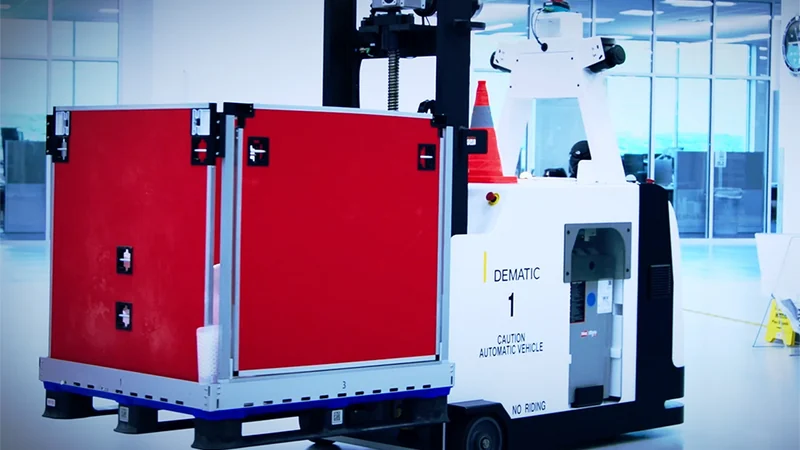
In greenfield builds like Equinor facilities, operators can design the facility layout from scratch around the task. Specialized, non-humanoid wheeled or legged designs routinely prove superior in unit economics, speed, and energy efficiency for these customized environments.
Conversely, most industrial work takes place in brownfield sites featuring narrow aisles, stairs, and doorways built for humans. In these restricted spaces, a human-compatible form factor becomes essential to avoid millions of dollars in facility retrofits.
Overcoming Real-World Deployment Hurdles
Flashy demonstrations under climate-controlled conditions only prove that a system can function once. Full fleet deployments require hardware that can survive thousands of cycles per shift amid constant thermal variation while maintaining near-zero tolerance for drift.
Most physical AI projects fail because engineering efforts promise broad capabilities rather than addressing specific operational constraints. Success in the real world is measured by repeat purchase orders and reliable business utility, themes that will be explored further during sessions at RoboBusiness.
Sources
- The Robot ReportWill ‘boring’ robots win in the real world? Why robotic form should follow workflow
Continue chronologically

Related stories
F-Prime Capital to Present Robotics Investment Report at RoboBusiness
F-Prime Capital's Sanjay Aggarwal and Betsy Mulé will unveil their latest State of Robotics Investments report at the upcoming RoboBusiness 2026 event.

Eli Lilly and Purdue to Share HRI Field Learnings at RoboBusiness
Experts from Eli Lilly and Purdue University will present early findings on human-robot interaction and worker perceptions on the manufacturing floor at RoboBusiness.
TwelveLabs Launches Pegasus 1.6 for Physical AI Video
TwelveLabs has released its Pegasus 1.6 model to bring advanced video understanding, egocentric analysis, and robotics workflows to physical AI.
2026 Robotics Handbook Explores Humanoids and AI
The 2026 Robotics Handbook examines humanoid robots, artificial intelligence, dexterous manipulation, and automation trends in construction.