Project ProtoStar Unveiled to Make Public Science AI-Ready
A new multi-institutional initiative called Project ProtoStar has been launched to make publicly funded scientific research more accessible, discoverable, and ready for AI-driven applications.
 Radwan AbdulhadiEditor and technology writer
Introduction to Project ProtoStar
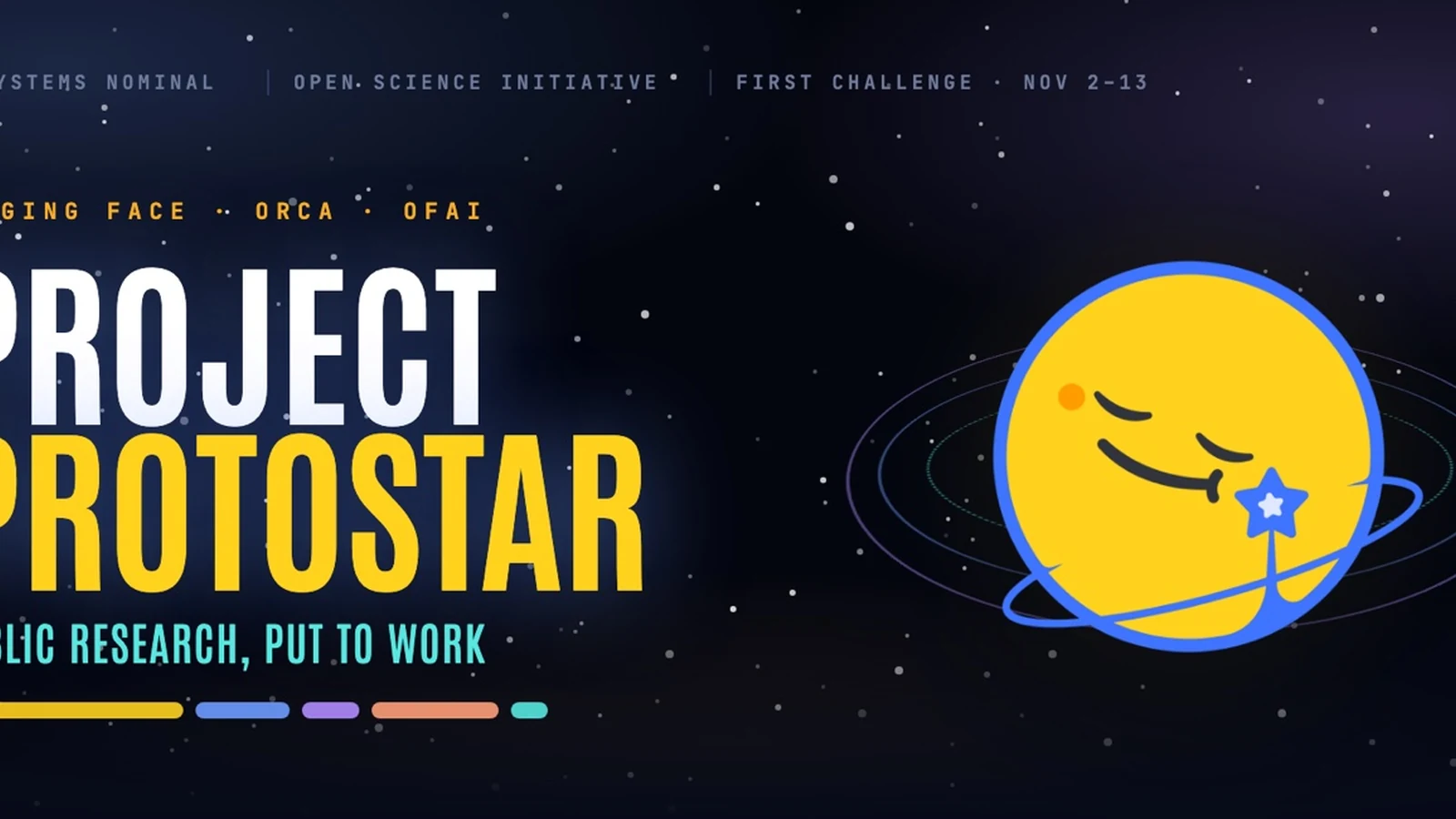
An ambitious collaborative effort has been officially launched to bridge the gap between open science and artificial intelligence. Detailed in an announcement on the Hugging Face Blog, Project ProtoStar brings together universities, research organizations, industry members, and the open science community to unlock the potential of publicly funded research.
The initiative is designed to make scientific datasets, models, and code more accessible and reusable, specifically catering to the demands of modern AI-driven research. By supporting the release of scientific artifacts in machine-actionable formats, ProtoStar aims to streamline how researchers and algorithms discover and build upon existing discoveries.

Founding Partners and Institutional Collaboration
Project ProtoStar relies on a broad coalition of academic institutions and infrastructure providers. The founding university partners include Carnegie Mellon University, Purdue University, Georgia Institute of Technology, Arizona State University, and The George Washington University, all operating through the Open Forum for AI as a university coalition partner.
Additional foundational support comes from the Astera Institute, Hugging Face serving as the core infrastructure partner, and the Open Research Community Accelerator via its Fostering Innovation Network acting as the community partner. Participating organizations formalize their commitments through a memorandum of understanding to share appropriate research outputs on open infrastructure.
The Challenge of AI-Readiness in Public Science
The United States federal government invests approximately $190 billion annually in research and development. While agencies like the National Institutes of Health and the National Science Foundation increasingly mandate public access to funded publications and underlying data, simply making research available does not automatically render it usable for advanced computational tools.
Scientific resources are frequently scattered across incompatible systems or stored in static formats that lack crucial metadata, documentation, and provenance. Project ProtoStar seeks to address these systemic hurdles by providing practical publishing guidance and encouraging the systematic sharing of scientific artifacts in standardized, AI-ready formats.
Accelerating Sharing and Reuse Across Repositories
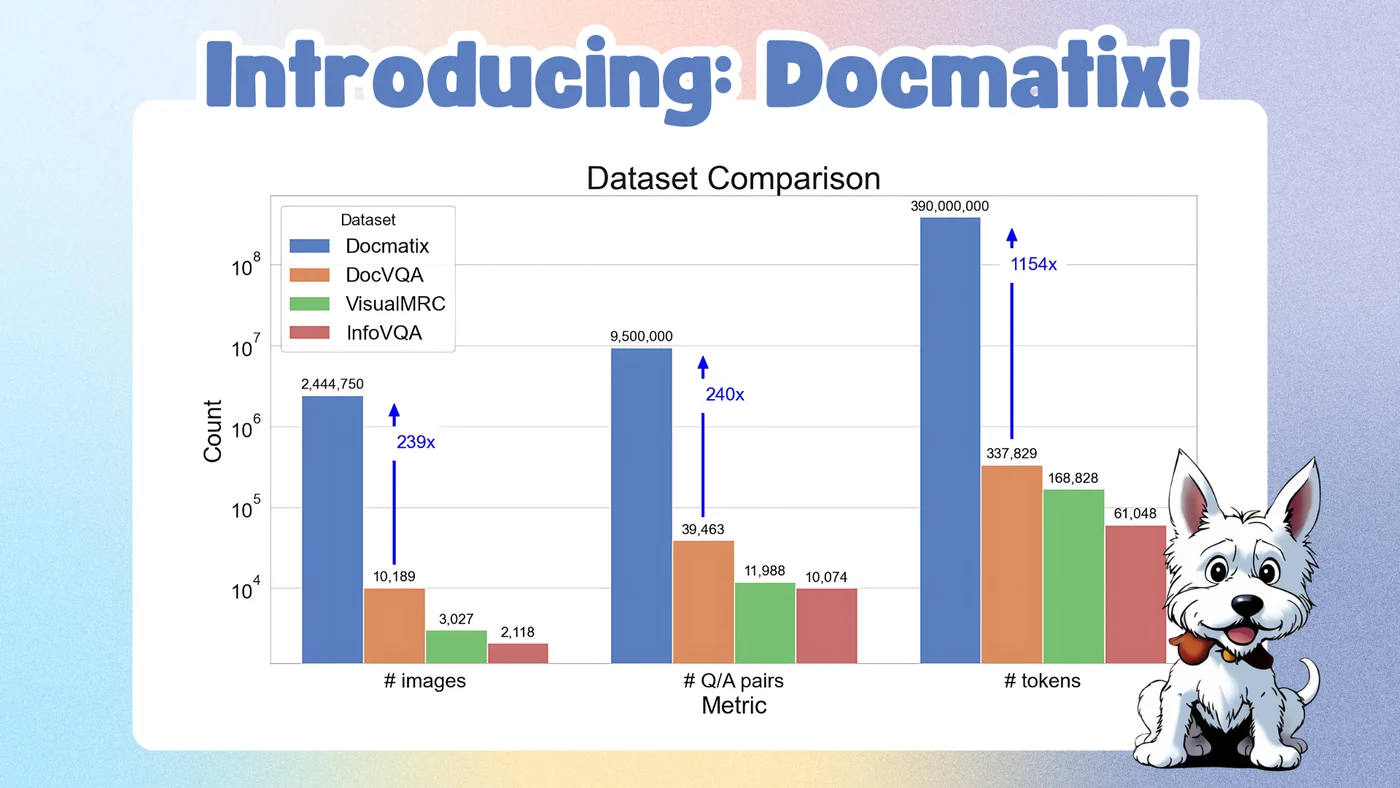
The demand for reusable scientific assets is already visible across various digital platforms. Hugging Face currently hosts thousands of public datasets spanning core scientific areas such as genomics, protein design, chemistry, weather, climate, Earth observation, and astronomy.
Data sharing activity has accelerated significantly. Researchers uploaded more than three times as many new science datasets during the first nine months of 2026 compared to the same timeframe in 2025. Institutional repositories, such as those maintained by NASA IMPACT and the National Center for Biotechnology Information, have accumulated hundreds of thousands to millions of downloads, underscoring the high value of documented, accessible scientific data.

Inaugural Challenge: Climate Risk Intelligence
To demonstrate the practical value of AI-ready scientific artifacts, Project ProtoStar is launching a series of open challenges hosted by participating research institutions. The inaugural challenge, titled Climate Risk Intelligence, is hosted by Carnegie Mellon University and scheduled to run from November 2 to November 13, 2026.
This first event invites participants to evaluate whether artificial intelligence models can effectively enhance urban climate predictions using historical weather data sourced from 210 U.S. cities. Through these challenges, the initiative aims to document technical barriers, measure successful reuse, and inform future public policy and research infrastructure.
Sources
- Hugging Face BlogAnnouncing Project ProtoStar: Making Publicly Funded Science AI-Ready
Continue chronologically


Related stories
Ai2 Open-Sources AstaBrief 8B for Fast Scientific Reports
Ai2 has open-sourced AstaBrief 8B, a new fast report-generation model designed to help researchers synthesize scientific literature efficiently.
CWE-bench v2 Launches With 100 Tasks to Test AI Cyber Capabilities
CWE-bench v2 has been released by Collinear AI, offering a public set of 100 tasks designed to evaluate frontier AI models on security workflows.
StateBench Released to Test Long-Document State Tracking
A new benchmark evaluates how well language models track changing entity states across long documents, revealing limitations in current architectures.

Hugging Face Crypto-Mining Malware Campaign Returns
A cryptomining and backdoor campaign abusing Hugging Face model repositories has quickly returned following an initial takedown.