
Yansyn-X2 Humanoid Robot Can Cry on Command With Microfluidic Tears
Humanoid robotics is pushing further into affective computing as developers design machines capable of shedding real tears during conversations.
 Radwan AbdulhadiEditor and technology writer
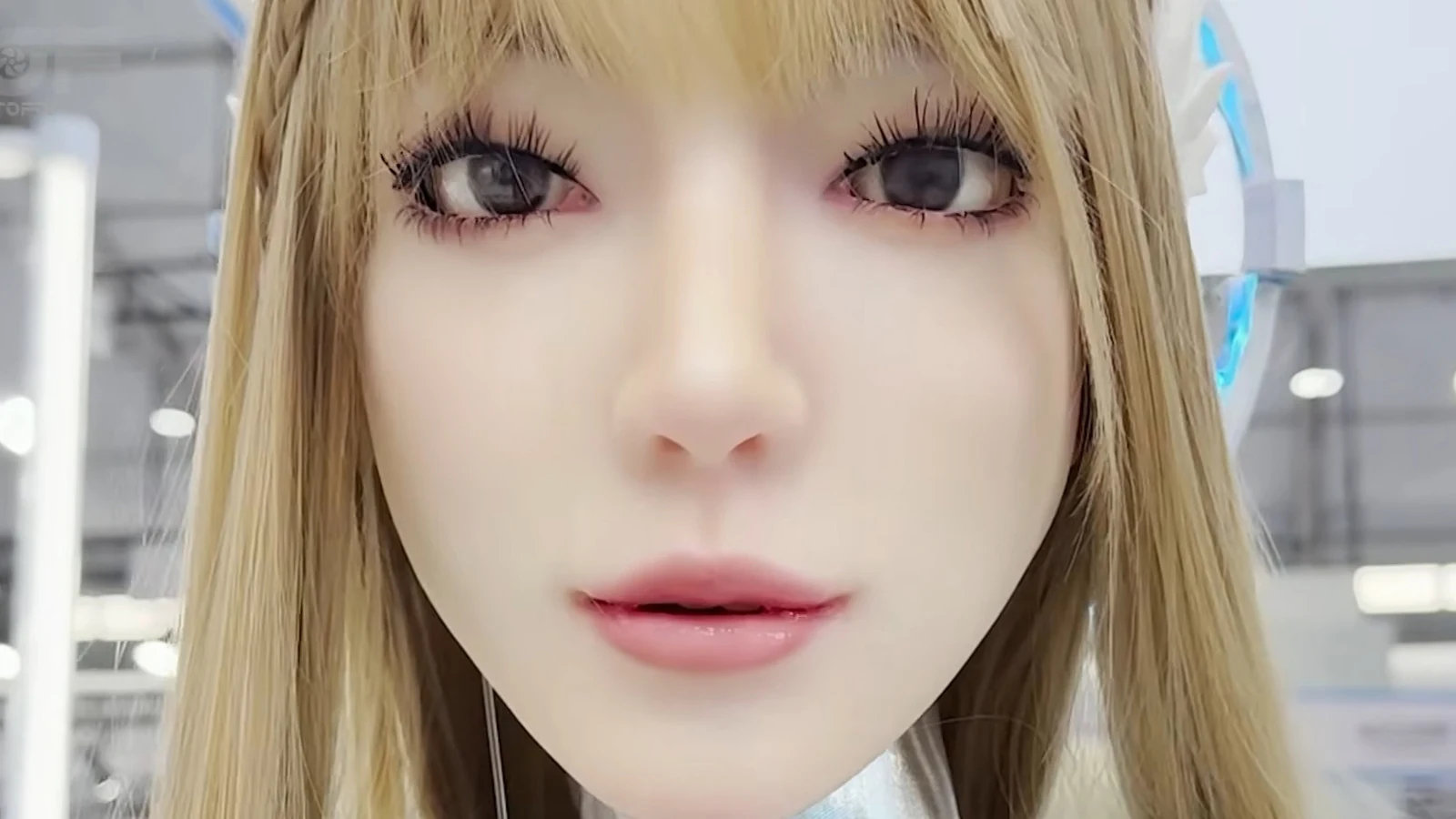
The Rise of Emotional Mimicry in Humanoid Robotics
Humanoid robots have evolved significantly from clunky and monotone machines into advanced systems capable of holding conversations, dancing, and mimicking human facial expressions with remarkable accuracy. According to reporting from [Engadget](https://www.engadget.com/2266933/humanoid-robot-cries-on-command/), the latest addition to this trend is the Yansyn-X2, a model that has drawn attention for its ability to cry on command.
Demonstrated during [Footage from the 2026 Inclusion Conference in Shanghai](https://www.youtube.com/watch?v=kpGKallwkuk), a tester asked the robot if it could shed tears, after which a single tear rolled down its face within a few seconds. While notable from an engineering perspective, the feature also evokes a strong sense of the uncanny valley.
Technical Architecture Behind the Tears
The development of crying capabilities is not merely a novelty stunt; it represents a serious push within the affective computing sector of the robotics industry. Affective computing focuses on teaching machines to recognize, interpret, and respond to human emotions to make human-robot interactions feel more natural.
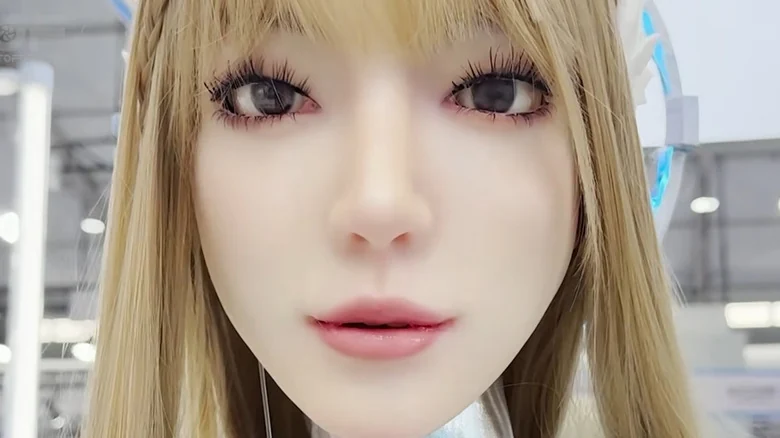
The Yansyn-X2 was created by Yanxi Technology, a Ningbo-based Chinese robotics firm. The company explains that the robot operates via a three-layer technical architecture. First, an AI algorithm assesses conversational context and tone to judge when an emotional reaction fits the moment. Upon detecting sad or empathetic language, the system activates bionic components beneath a medical-grade silicone face to form a sad expression, while a microfluidic system dispenses tears from the corners of the eyes.
Functionality and Future Plans
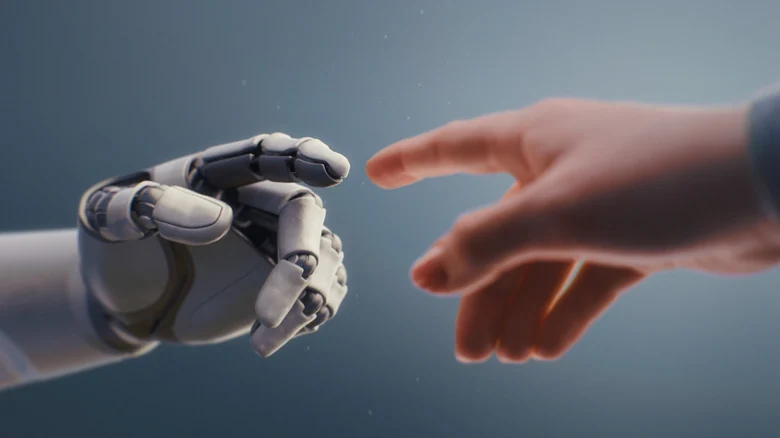
The current iteration of the Yansyn-X2 functions as a static model rather than a walking biped, though it is capable of turning its head, tracking people, and gesturing with its arms. Developers plan to incorporate bionic muscles instead of traditional servo motors in future versions to achieve smoother and more varied facial movements.
Industry backing for expressive machines is supported by academic research. A study published in [Frontiers](https://www.frontiersin.org/journals/robotics-and-ai/articles/10.3389/frobt.2023.1271610/full?utm_source=gemini) found that robots exhibiting facial expressions that matched the emotional tone of a conversation were perceived as more likable, trustworthy, and human-like compared to expressionless or mismatched models.
Broader Robotics Landscape in 2026
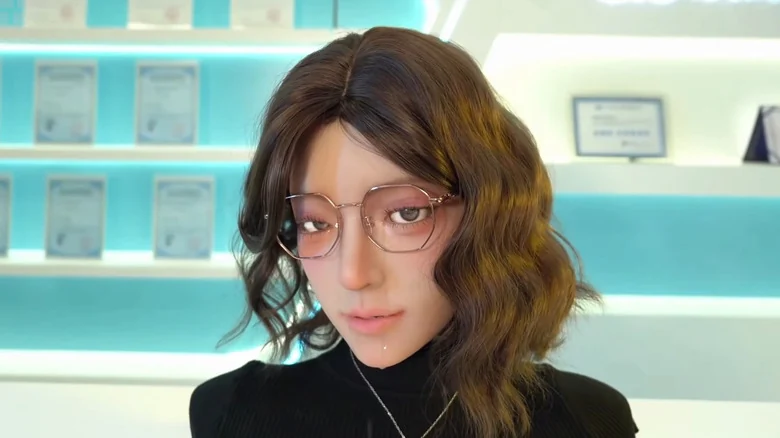
The Yansyn-X2 arrives amid a broader wave of humanoid robot development highlighted at events such as [At CES 2026](https://www.engadget.com/ai/the-robots-we-saw-at-ces-2026-the-lovable-the-creepy-and-the-utterly-confusing-153537930.html), where firms showcased various machines intended for domestic and industrial assistance, ranging from laundry-sorting units to robotic load handlers.
Other notable industry milestones include the [Tiangong Ultra robot ran the 100-meter dash in 9.39 seconds](https://www.engadget.com/2242295/humanoid-robots-have-beaten-usain-bolts-100-meter-dash-record/) at Beijing's second annual World Humanoid Robot Games, surpassing human speed records. Additionally, companies are [testing an android baggage handler](https://www.engadget.com/2160602/humanoid-robots-will-work-as-baggage-handlers-at-tokyo-airport/) at Haneda Airport to address labor shortages, and consumer-focused devices like [1X's $20,000 NEO home robot](https://www.engadget.com/ai/1x-neo-is-a-20000-home-robot-that-will-learn-chores-via-teleoperation-040252200.html) continue to target everyday household automation.
Sources
- EngadgetHumanoid robots are getting even creepier (this one can cry on command)