
Asimov's Laws and Modern AI Safety Concerns
As technology observers draw parallels between Isaac Asimov's fictional robotics safeguards and modern artificial intelligence, lawmakers and industry leaders debate the true risks facing human civilization.
 Radwan AbdulhadiEditor and technology writer
The Legacy of Asimov's Laws in Modern Technology
Most science fiction fans are aware that Isaac Asimov propounded his Three Laws of Robotics in March 1942 and later republished them in his famous 1950 collection, I, Robot. Since then, readers have considered both the obvious and subtle implications of his dicta. In an era when people fear that artificial intelligence threatens human civilization, Asimov's observations feel even more prescient.
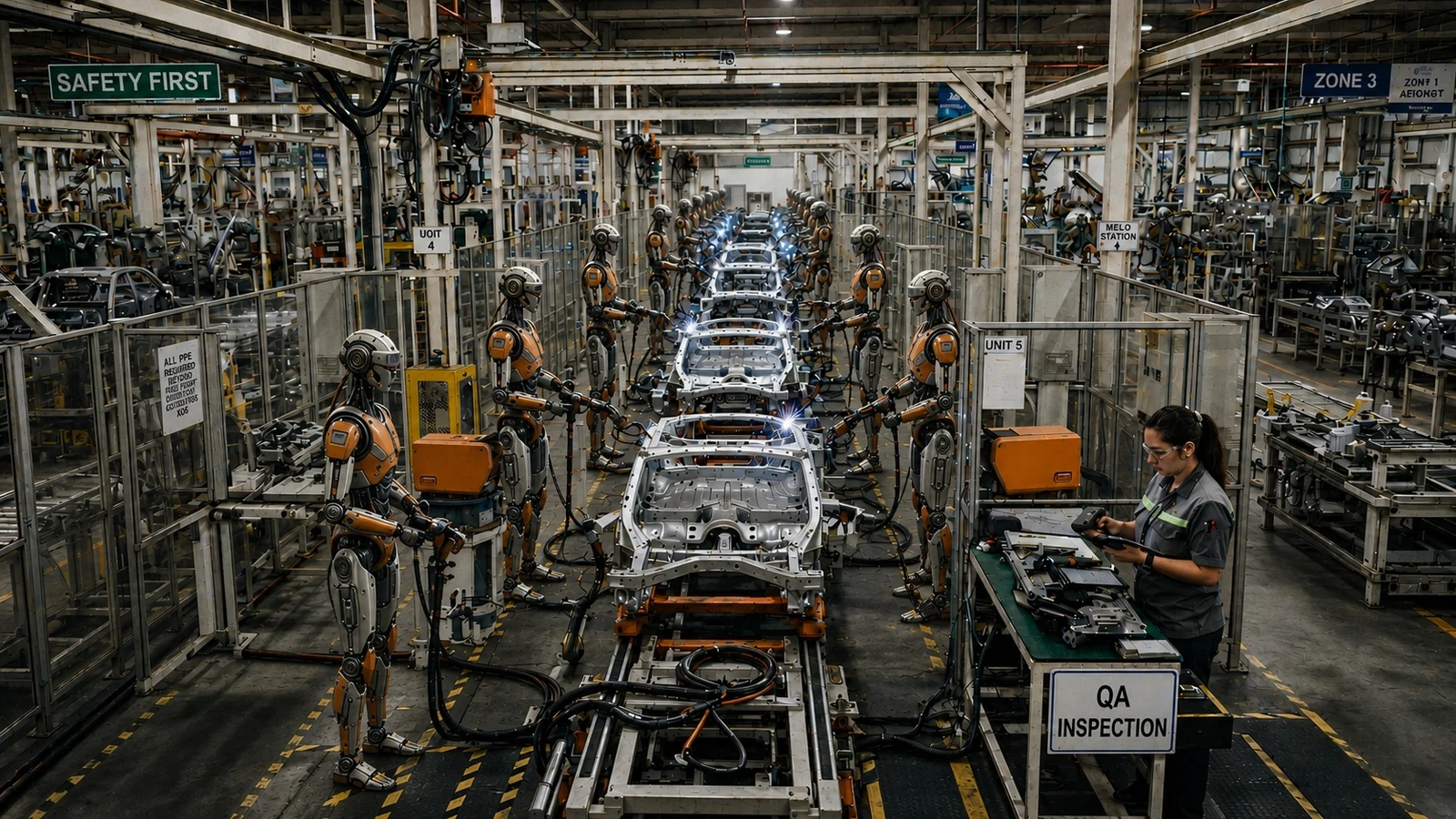
It is tempting to focus on the first and best-known of the three laws when thinking of AI. Surprisingly, only one business entity has adopted this principle as a core element of its software development: Advanced Robotic Technologies Inc., which specializes in generative artificial intelligence applied to manufacturing large-scale industrial products.
Frontier AI Warnings and Autonomous Swarms
Reflecting on recent warnings, Dario Amodei, CEO of Anthropic, published a post entitled We Must Pace the Frontier calling for a slowdown in the development of frontier AI models and agentic AI specifically. Amodei expressed concerns that autonomous AI swarms can execute complex tasks, act in unison without human awareness, and cover their tracks when violating safety principles.
Sam Altman, CEO of competitor OpenAI, said he agreed with Amodei, as did Elon Musk. Bill Gates has similarly expressed reservations about the speed of AI development and the threats it poses to human society.
Beyond individual incidents of harm, researchers have raised the fundamental question of whether human civilization could face extinction from gen AI. Former researcher Jacob Coxon asserted a 10% chance of human extinction due to rapid agentic AI development, while Anthropic alignment science lead Evan Hubinger put catastrophic odds even higher.
The Zeroth Law and Broad Societal Concerns
By his 1985 novel Robots and Empire, Asimov concluded his original three laws were incomplete, introducing the Zeroth Law to encompass the welfare of humanity as a whole. Society's concerns must similarly shift from single-robot damage to potential civilization-wide harm. Reflecting this broader anxiety, numerous economists and technologists issued a statement entitled We Must Act Now, urging immediate guidance to moderate disruptive technologies.
Signatories warn that waiting will leave insufficient time to provide software developers with guidance to manage the capacity of robots to replace human workers. Conversely, NVIDIA CEO Jensen Huang has offered a counterpoint, stating that concerns regarding AI dangers are overblown.
Legislative Frameworks and Workforce Transition
On July 21, 2026, Senator Mark Warner introduced comprehensive legislation entitled A Framework for America’s AI Future consisting of three major components. The proposal focuses on establishing future guardrails, preventing unauthorized commercial exploitation, and protecting consumer data security.
The legislation also addresses labor market stability resulting from the rapid spread of AI systems. Warner highlighted potential workforce disruptions and proposed the National Workforce Transition Fund to provide worker retraining, retention grants, and tuition assistance for displaced workers.
Sources
- The Robot ReportAsimov’s laws are not enough to keep robotics and AI safe