Apple Updates iPhone Keyboards for Indigenous Languages
Tech companies are partnering with Indigenous communities to preserve endangered languages by integrating them into mobile software.
 Radwan AbdulhadiEditor and technology writer
Revitalizing Indigenous Languages on Mobile Screens
For the Cherokee Nation, ensuring that the younger generation can engage with their mother tongue means meeting them where they spend their time. Principal Chief Chuck Hoskin Jr. notes that the community faces a severe sense of urgency, with only about 1,500 active Cherokee speakers left, most of whom are over the age of 70. To combat this decline, the nation has collaborated extensively with the iPhone maker to integrate their language into modern digital environments.
Apple's software keyboards currently support more than 200 languages and language variants. While earlier updates like iOS 26 introduced languages such as Haitian Creole and Nez Perce, later updates including iOS 27 expanded support to include Native American languages like Blackfoot, Comanche, and Northern East Cree.
The Journey Through Unicode Standards
The process of bringing an Indigenous language to a smartphone begins long before coding software interfaces in Cupertino. It starts with Unicode, the organization responsible for standardizing character sets, time zones, currency names, and new emoji.
According to Unicode CEO Toral Cowieson, the organization operates as a digital Switzerland where tech competitors like Apple, Microsoft, and Google sit alongside linguists and volunteer contributors. Proposing, verifying, and encoding a new script can take anywhere from three to five years before it can be rendered properly on phone screens without appearing as blank boxes.
Customizing Keyboards for Unique Orthographies
Once a script is officially encoded, companies must address orthography and layout challenges. Different languages feature distinct writing systems that defy a standard QWERTY setup.
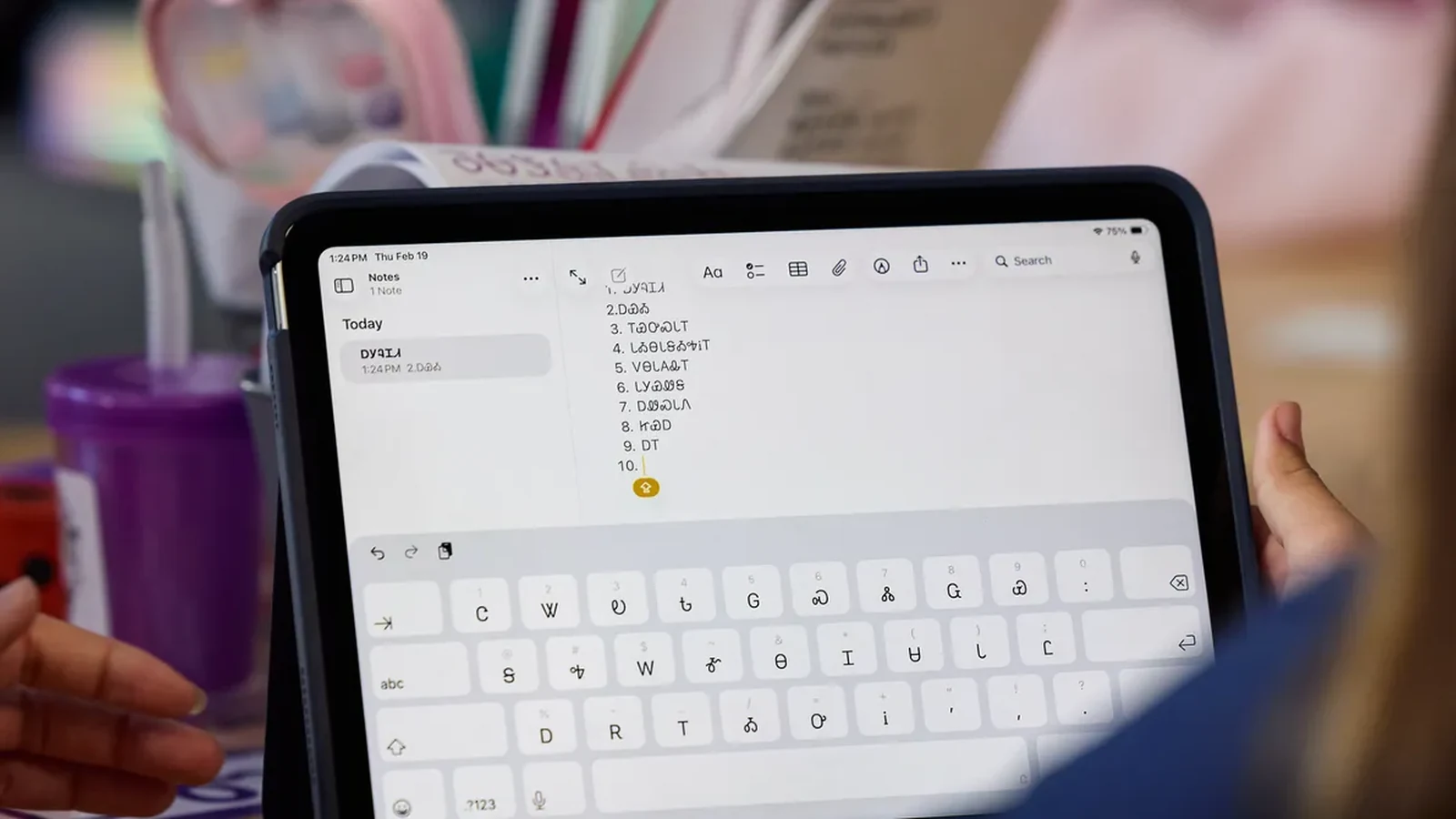
For instance, Nez Perce does not use capital letters. Apple adapted its layout by repurposing the Shift key to reveal an accented secondary layer instead of traditional uppercase letters, preventing typing delays. Meanwhile, for the Cherokee language, which utilizes a syllabary where characters combine consonants and vowels, Apple added adaptive vowel keys on the bottom row to streamline typing.
Language Sovereignty and Historical Caution
Digitizing Indigenous languages is not without its historical complexities. Scholars like Genner Llanes-Ortiz point out that Indigenous communities carry historical memories of dispossession and knowledge extraction. For example, how Māori speakers rejected proposals highlights the careful guardrails communities maintain to protect access and storage of their linguistic materials.
Addressing these concerns, Apple software engineer Chirasree Mandal emphasizes data ownership and sovereignty. Mandal states that the company does not claim ownership or try to silo any data gathered during the digitization process, focusing instead on accurate language representation.
Broader Industry Efforts and Challenges
Other major technology firms are also working on lesser-known language integrations. A Google spokesperson highlighted collaborations to bring languages like Manx and Māori to its platforms, while noting that the company explores generative AI to streamline coding and research. However, tech representatives agree that successful integrations require direct and continuous participation from native speakers.
Despite these digital strides, community leaders caution that broader cultural challenges remain. Principal Chief Hoskin Jr. notes that while typing in a native syllabary provides a strong sense of empowerment and cultural pride on a smartphone, these preservation efforts operate against powerful assimilation pressures.
Sources
- WIREDHow Apple Puts Indigenous Languages on the iPhone Keyboard
Continue chronologically

Related entity coverage
Related stories
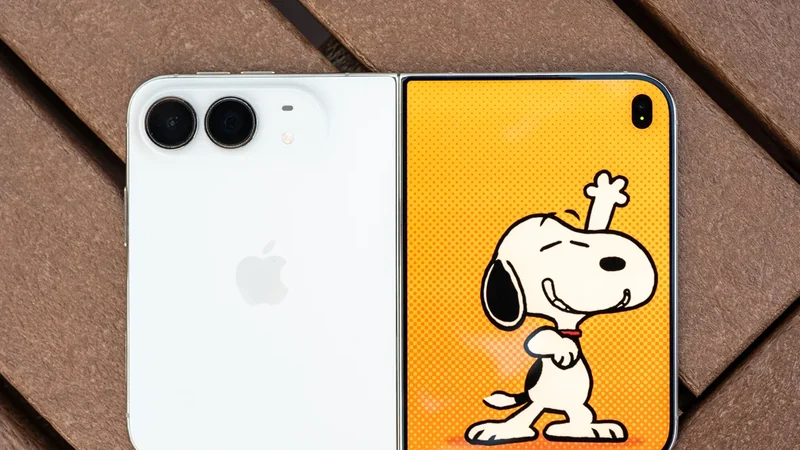
Apple iPhone Duo Review: A First-Class Foldable
Apple enters the foldable market with the iPhone Duo, offering a wide passport design, dual displays, and robust titanium construction.
Googlebooks Face Tough Market Challenges Amid High Pricing
Google's new Googlebooks platform faces a difficult market launch, carrying a $999 starting price and a strict 16GB RAM requirement during rising component costs.
Microsoft Issues OOB Windows Updates to Untrust eMudhra
Microsoft releases out-of-band Windows updates to remove trust in certificates tied to compromised eMudhra keys for offline and restricted systems.

Google's SynthID AI Detector Goes Public for Everyone
Google's SynthID Detector is now available globally for regular users, offering a simple way to check if images, videos, or audio files are AI-generated.