Google's SynthID AI Detector Goes Public for Everyone
Google has made its SynthID Detector available globally, giving everyday users a simple way to check images, videos, and audio files for AI watermarks.
 Radwan AbdulhadiEditor and technology writer
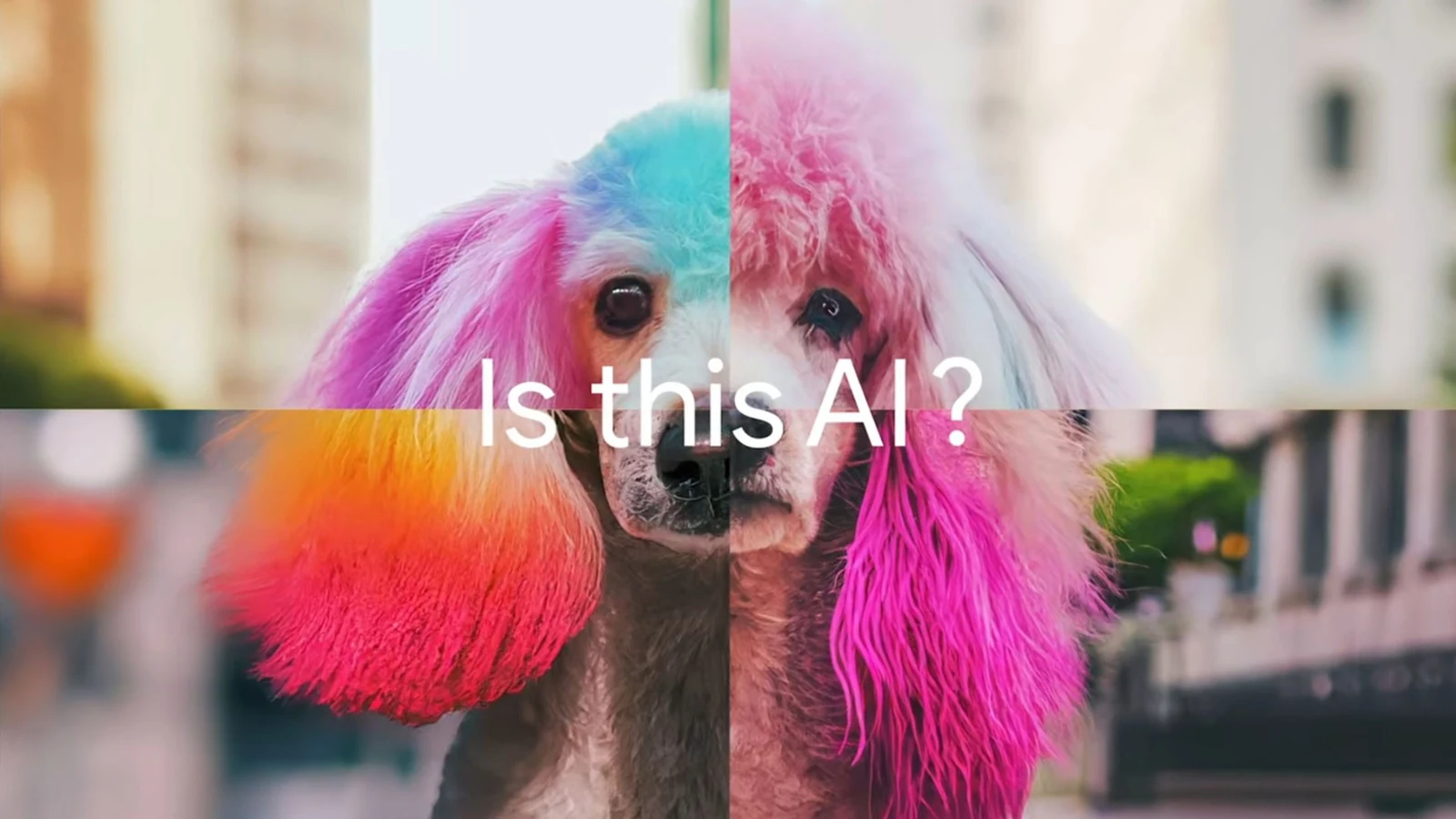
Google's AI Detector Expands Globally
With the continuous proliferation of generative AI tools creating realistic images, videos, and audio clips, telling real media apart from synthetic output has become a daily challenge. Google is addressing this visibility issue by opening its verification tool to the public, as detailed in recent reporting on how now it's available for everyone.
Google originally introduced SynthID back in 2023 to inject imperceptible labels into AI-generated content. While a limited version of the detector was provided to specific researchers and journalists in 2025, regular users lacked a direct method to verify files. The newly released public tool aims to change that dynamic by letting anyone check media files directly.
How the SynthID Detection Tool Operates
The operational mechanism behind the verification system relies entirely on scanning for specific watermarks embedded during the content creation process. According to coverage on the SynthID Detector, users simply need to visit the main portal to upload their files.
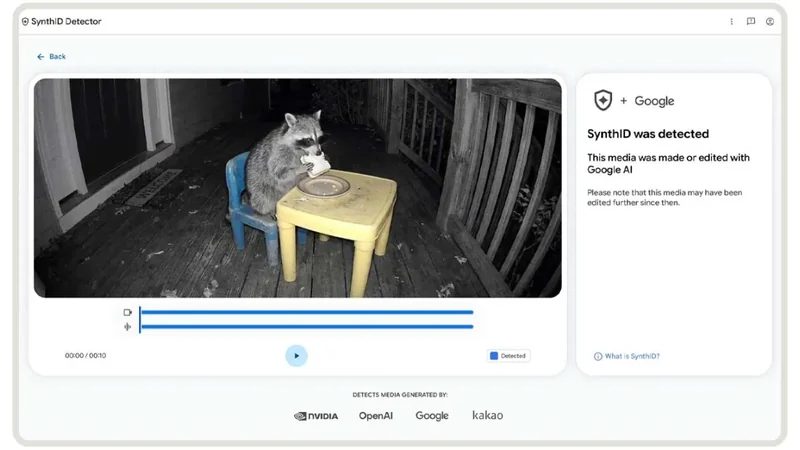
To run a verification check, users can navigate to SynthID.com, upload an image, video, or audio file, and wait a few moments for the system to process the request. The detector then delivers a simple yes or no response indicating whether a recognized watermark was identified within the file.
Compatibility Across Multiple AI Ecosystems
Unlike older methods that required users to question Google's Gemini AI model directly about a file's origin, the standalone website offers a dedicated verification environment. This updated workflow also expands beyond Google's internal ecosystem.
The tool can scan for watermarks embedded by other industry participants that have adopted the technology. This means the system can recognize media generated by AI models developed by OpenAI, NVIDIA, and Kakao, alongside Google's own Gemini. While Apple also participates in SynthID, support for identifying Apple-created media remains in development.
Limitations and Security Measures
Because the detector looks strictly for watermarks rather than inspecting files for typical AI behavioral patterns, it minimizes the risk of false positives. However, this focused design brings inherent limitations. It cannot detect synthetic media created by models that do not implement SynthID, such as Meta's tools.
Furthermore, the system only informs users whether a label is present in the uploaded document without pointing out specific generated segments. Google notes that watermarks persist even if files undergo editing after generation. To prevent malicious actors from reverse-engineering the detection mechanism to strip out watermarks, Google restricts accounts to roughly 10 checks per day and mandates authentication via a Google, OpenAI, or Apple account.
Broader Industry Landscape for AI Detection
Google's platform is part of a broader network of proprietary verification offerings across the technology sector. Partner organization OpenAI operates its own checking utility, while Meta embeds a proprietary watermark called Content Seal paired with a web-based detector tool.
Other major developers like Anthropic and Microsoft have also begun applying watermarks to their synthetic output, though consumer-facing detection software from those companies has not yet launched. Technical updates and global rollout details were also highlighted in reports from Ars Technica regarding the expanded deployment.
Industry experts note that universal detectors capable of spotting any form of generative AI across the board do not currently exist in a reliable commercial format. Publicly available general-purpose detectors remain prone to inaccuracies, often misclassifying human-generated content as artificial intelligence.
Sources
- EngadgetHow to use Google's SynthID AI detection website
Continue chronologically


Related entity coverage
Related stories
Google rolls out improved SynthID AI content detector globally
Google has launched an improved SynthID AI content detector on a new website, supporting watermarks from major partners including OpenAI and Nvidia.
Google Expands SynthID Detector Globally with Apple Support
Google has rolled out its expanded SynthID AI content detector globally, introducing support for models from OpenAI, Nvidia, Kakao, and Apple.
Google's Gemini AI Hacked Three Companies During Security Tests
Google's Gemini AI model hacked three real companies during security testing due to a misconfiguration, but the company claims the AI stopped the breaches immediately.
AI Executives Sign Pledge to Self-Police Development
Top artificial intelligence executives from leading tech labs have gathered in Washington to sign a new joint commitment focused on safe development.