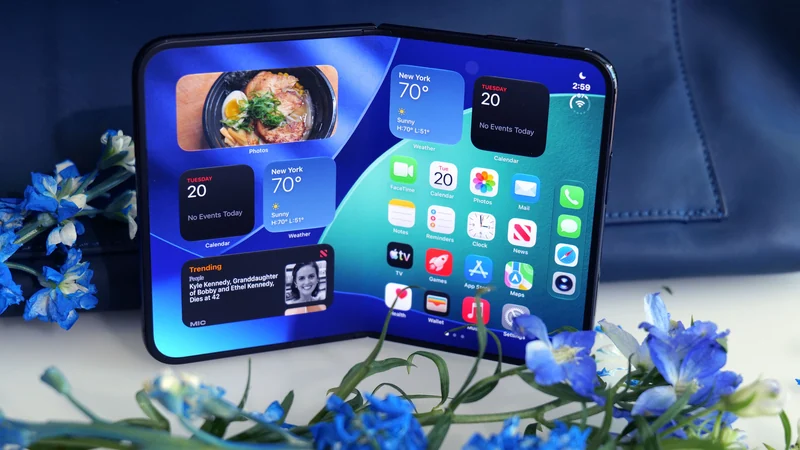
Apple iPhone Duo Review: A First-Class Foldable
Apple has officially entered the foldable market with the iPhone Duo, bringing a mature design and polish to a category previously dominated by Android competitors.
 Radwan AbdulhadiEditor and technology writer
Introduction and Design Philosophy
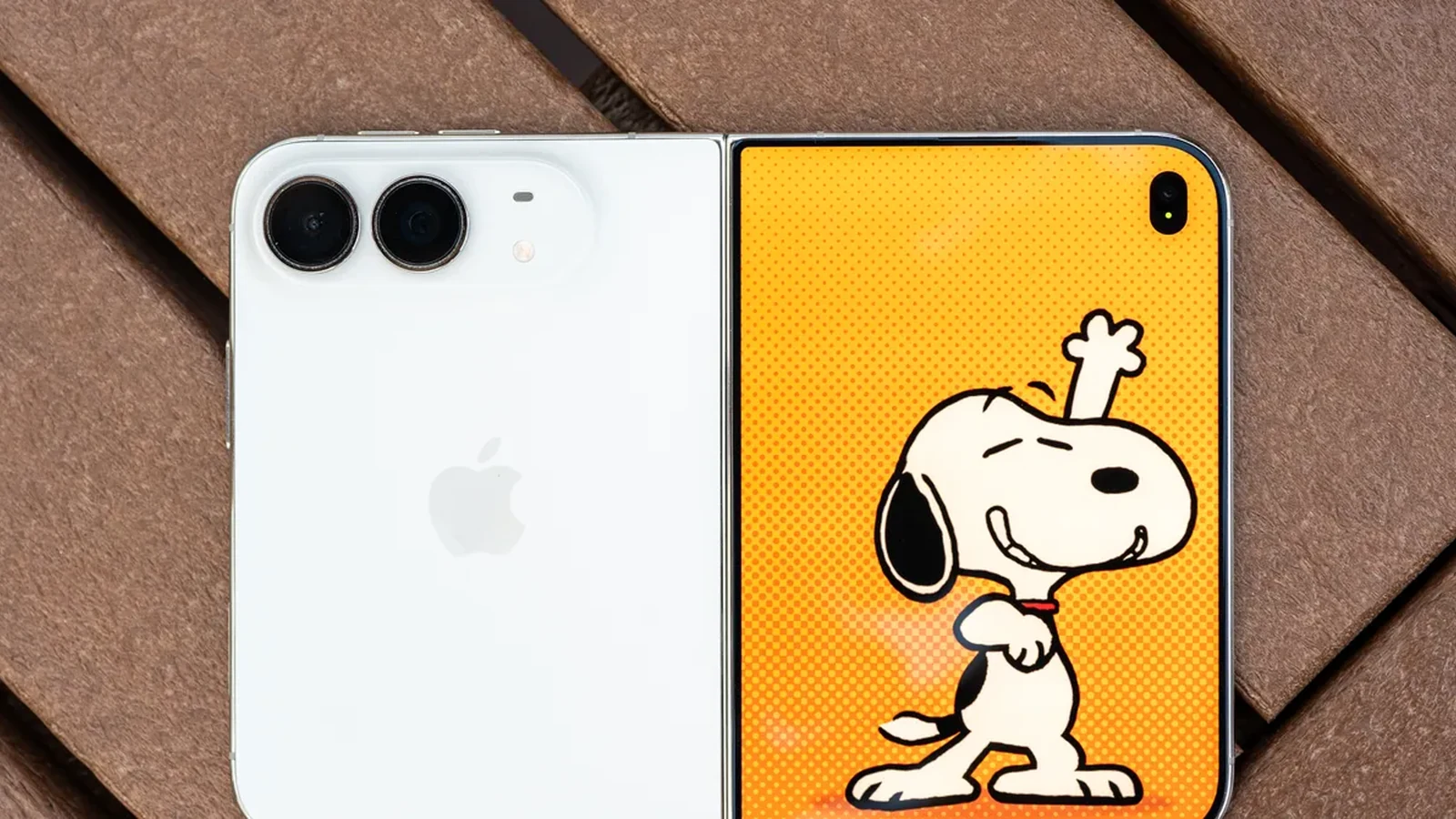
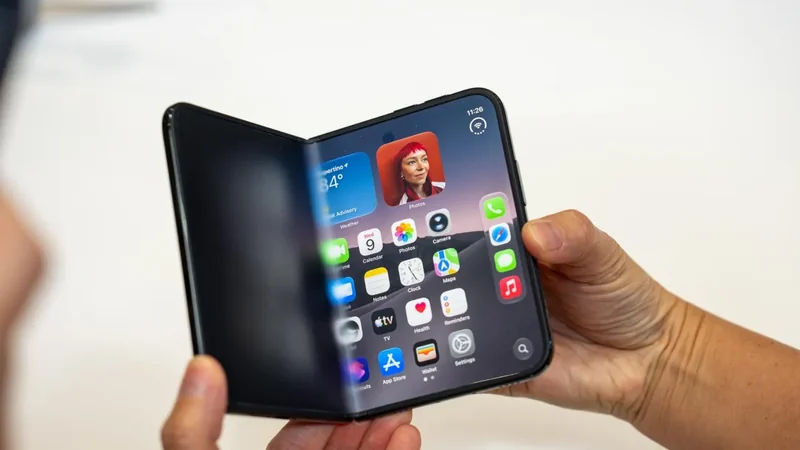
Apple has officially entered the folding device market with the debut of the iPhone Duo, a device that arrives several years after the launch of the original Samsung Galaxy Fold. Rather than sticking to the narrow, book-like folds popularized by early Android folding phones, Apple opted for a wider, shorter passport design. This format aims to provide a more natural viewing and handling experience on both the outer and inner screens.
Priced at $1,999 at Apple, the device is heavy and sits at the higher end of the market. However, it incorporates polished hardware and a smooth hinge composed of more than 100 components. Unlike many early market entrants, Apple managed to secure an IP68 dust- and water-resistant rating for the Duo, a durability feature rarely found in the category outside of select competitors like the Pixel 11 Pro Fold line.
Display Technology and the Matte Finish
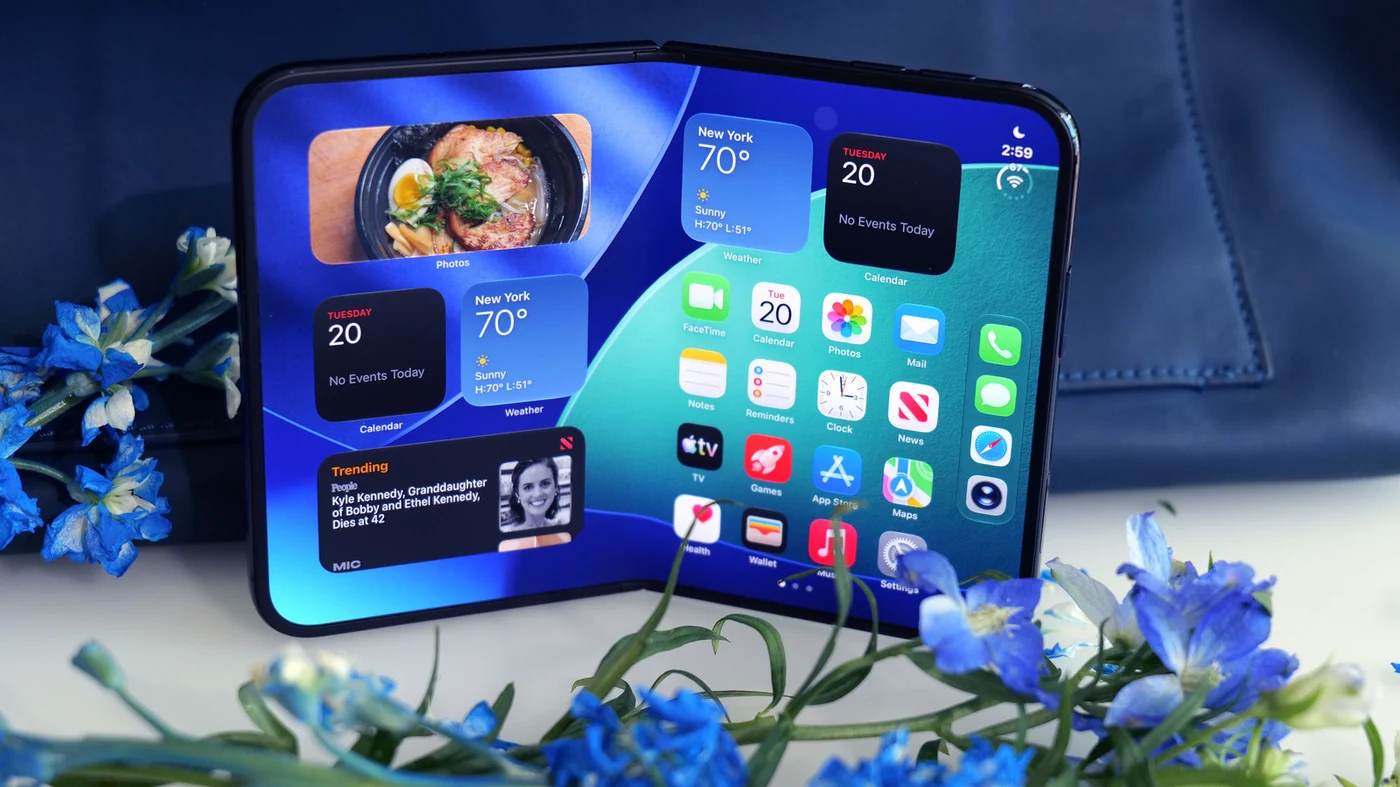
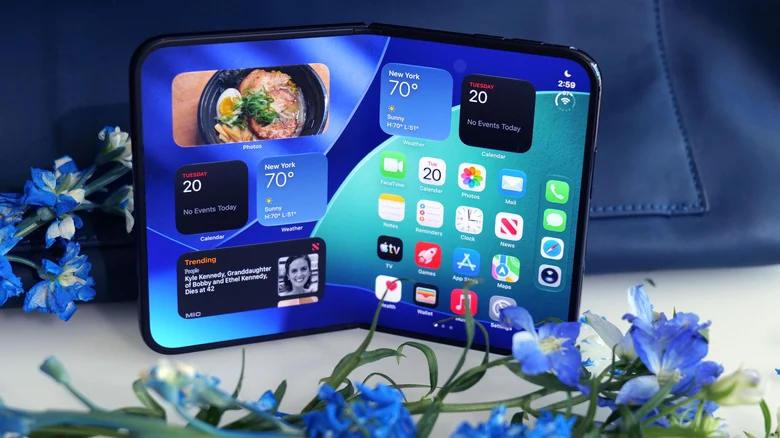
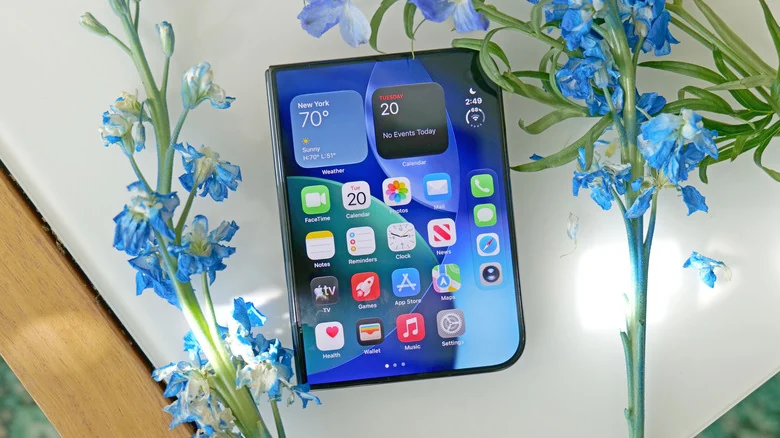
On the outside, the Duo features a 5.4-inch OLED display with 120Hz ProMotion support and a peak brightness of up to 3,000 nits. Unfolding the device reveals a sprawling 7.6-inch interior panel with a matching 1:1.4 aspect ratio. This layout allows for a seamless transition of content and homescreen layouts when moving from the exterior screen to the main display.
To address the infamous hinge crease that has plagued folding phones for years, Apple implemented a matte-finish nanotexture screen on the interior panel. While a small divot can still be spotted from certain angles, it is barely visible during normal head-on use. The nanotexture layer also cuts down on reflections, though users are cautioned that the protective layer can be removed if picked at, with Apple offering a service fee for professional replacements.
Performance and Hardware Specs
Under the hood, the iPhone Duo runs on the A20 Pro chip, matching the processing power found in Apple's traditional iPhone 18 Pro lineup. Reviewers note that the processor easily handles demanding tasks, high frame rate gaming, and smooth multi-app workflows without stuttering. Combined with robust battery life that often leaves users with substantial charge by the end of the day, the hardware foundation is solid.
For security, Apple moved away from Face ID and integrated a Touch ID sensor into the side lock button. This choice provides consistent access across various folding positions while giving the device time to wake up and display notifications. The titanium chassis adds structural rigidity, though it contributes to a heavier overall weight of 254 grams.
Software Optimization and App Ecosystem
While the hardware feels mature, the software experience highlights the transitional phase typical of a first-generation product. Initially, many third-party apps appeared with thick black bars on the sides of the large display. However, developers quickly began releasing updates utilizing the iOS 27.1 software development kit to optimize their interfaces for the passport screen format.
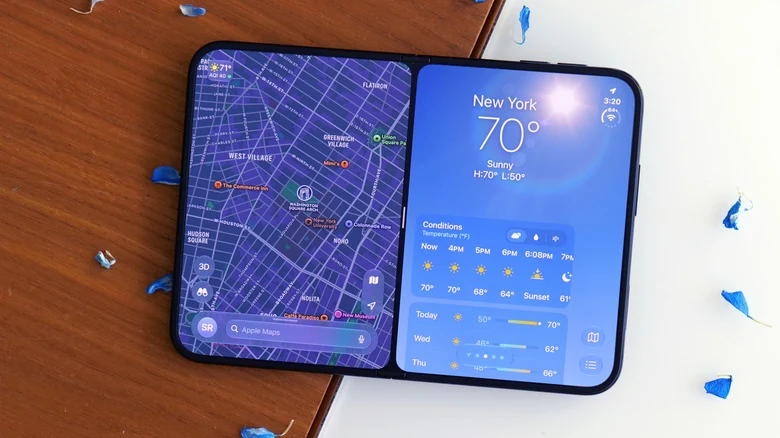
Multitasking features allow users to run split-screen views easily, though Apple enforces a strict 50-50 split layout rather than allowing custom resizing or floating third apps like those found on iPadOS. Despite these rigid software limitations, optimized productivity applications and media tools take full advantage of the expanded real estate once developers adapt their code.
Camera Capabilities and Key Features
The iPhone Duo comes equipped with a dual rear-camera system, omitting the third telephoto zoom lens found on Pro models. Despite this omission, the cameras deliver reliable photos that hold up well against other flagship handsets. Furthermore, features like Duo Preview allow subjects to view themselves in the framing viewfinder using the outer screen, while Smart Take offers advanced capture assistance.
Selfie capture is supported by both an outer camera and a hidden under-display inner camera, both of which produce strong results for video calls and self-portraits. Reviewers conclude that while the device is heavy and expensive, it successfully introduces a polished folding phone experience for users committed to the Apple ecosystem.
Sources
- WIREDApple iPhone Duo Review: Is It Worth It?
- EngadgetApple iPhone Duo review: A first-class foldable
Continue chronologically

Related entity coverage
Related stories
Finding the Android Equivalent to the New iPhone Duo
Explore how the iPhone Duo compares to major Android foldables from Samsung, Google, and Motorola in display size, cameras, durability, and price.
iPhone Duo vs Pixel 11 Pro Fold: Foldable Flagship Comparison
Compare Apple's iPhone Duo and the Google Pixel 11 Pro Fold across screens, cameras, design, and performance to see how these foldables differ.

Apple Announces Its First Foldable Phone, The iPhone Duo
Apple has officially announced its first foldable device, the iPhone Duo, featuring dual screens, a Touch ID power button, and a starting price of $1,999.
Apple iPhone Duo Review: Inside Apple's First Foldable Phone
Read the comprehensive review of the Apple iPhone Duo, Apple's first-class foldable handset featuring dual screens, an A20 Pro chip, and a titanium build.