Googlebooks Face Tough Market Challenges Amid High Pricing
Google has expanded its laptop ecosystem with the AI-focused Googlebooks platform, though industry observers point to severe timing hurdles and strict hardware requirements.
 Radwan AbdulhadiEditor and technology writer
The Launch of Googlebooks
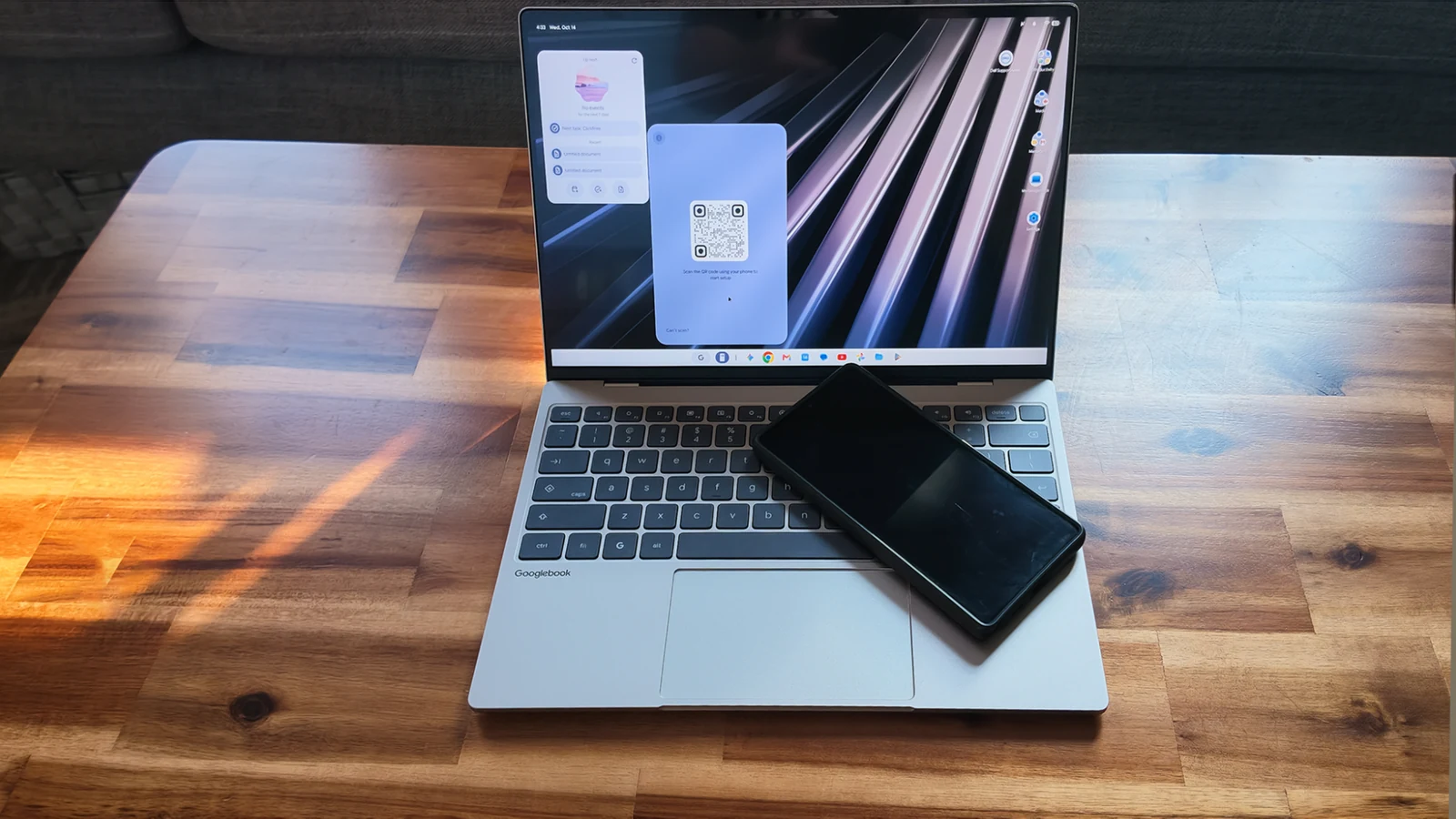
Google has introduced the Googlebook laptop platform, representing an AI-focused reimagining of its traditional Chromebook lineup. The new platform introduces a strict 16GB RAM requirement alongside starting prices of $999, though a limited-time $899 offer from Acer has also been introduced. Furthermore, models from Lenovo and Asus push pricing even further into MacBook Air territory. Further details are available from Tom's Hardware in the original source material.
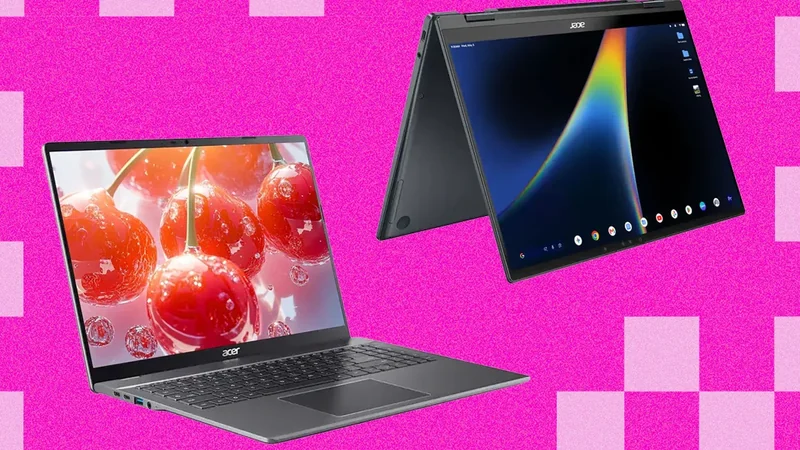
This shift toward a more upscale product tier contrasts sharply with the history of Google's previous laptop ecosystem. Chromebooks first launched in 2011 with three models priced around $500, while Acer undercut competitors at $349. Although high-end Chromebook options have emerged over the years, the vast majority of devices have remained focused on affordability.
Android Integration and Market Realities
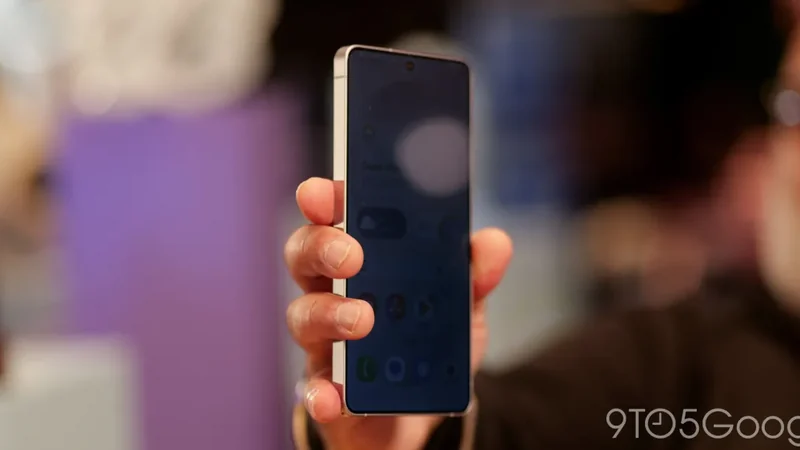
A primary selling point for the Googlebook platform is Android phone integration, functioning similarly to an iPhone and MacBook pairing. However, this feature requires a device running Android 17. Because that operating system iteration launched only four months ago, it is currently available on only a handful of expensive phones.
This requirement bypasses broader realities within the Android mobile market. The majority of Android devices sold globally consist of mainstream and budget models. Even with ongoing RAM and storage pressures driving up costs, less than 30% of global phone shipments are priced higher than $600—a figure that also includes Apple's iPhone lineup.
Rising Component Costs and Industry Timing
The broader technology landscape has experienced significant pricing shifts over the past year, largely driven by a roughly five-fold increase in RAM costs resulting from AI hyperscaler demand. These cost pressures previously forced Valve to delay its Steam Machine by approximately six months, ultimately pushing its launch price above $1,000.
Given typical software and hardware lead times, Googlebooks concepts were likely deep in development when RAM pricing began to accelerate. With indications that the cost of RAM and storage may continue to rise into next year and beyond, market conditions mirror the difficult launch window encountered by other hardware platforms earlier in the year.
Shifting Landscape for Budget and Premium PCs
The wider laptop market has seen considerable activity, marked by Apple's value-priced MacBook Neo shaking up the budget category and prompting Windows device makers to respond with their own offerings. Meanwhile, Microsoft adjusted its original 16GB requirement for AI PCs to support new 8GB options, aiming to refine performance across its Copilot branding.
Concurrently, Nvidia introduced new Spark laptops targeting AI coders with prices ranging from $2,599 to over $5,000 for high-capacity models. In contrast, Google's hardware division has spent the last 15 years concentrating primarily on budget laptop solutions, while previous attempts to establish premium Google-designed devices as mainstream successes faced challenges.
Sources
- Tom's HardwareGooglebooks are as poorly timed as Valve’s Steam Machine, and may suffer a similar fate
Continue chronologically
Related entity coverage
Related stories
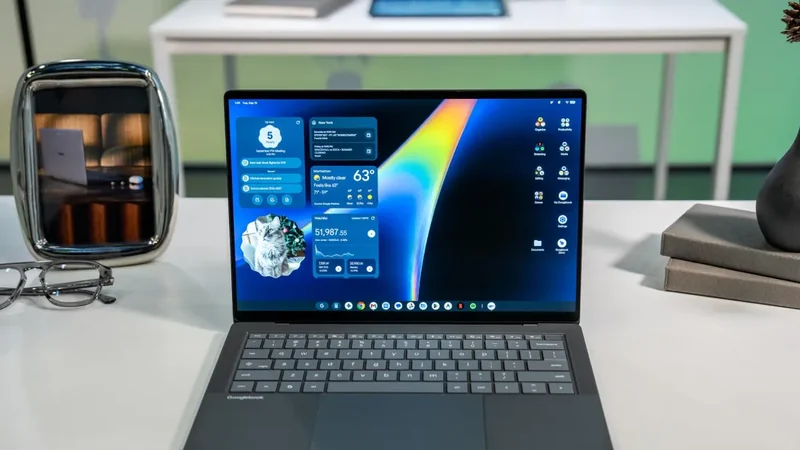
Google Admits Intel Googlebooks Face Android App Issues
Google acknowledges that Intel-based Googlebooks may encounter performance issues with a small handful of Android apps upon launch.
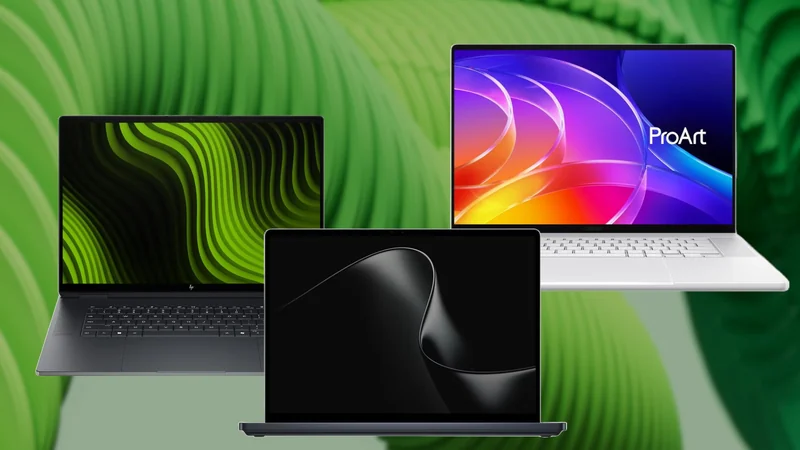
Nvidia RTX Spark Laptops Launch With Devices From Major Brands
Nvidia RTX Spark laptops are officially on sale from brands like Microsoft, Asus, HP, Lenovo, and Dell, with prices starting at $2,599.
Google Launches Googlebook Laptops for Android Users
Google has officially unveiled Googlebooks, a new line of laptops designed to provide seamless connectivity and synergy with your Android smartphone.
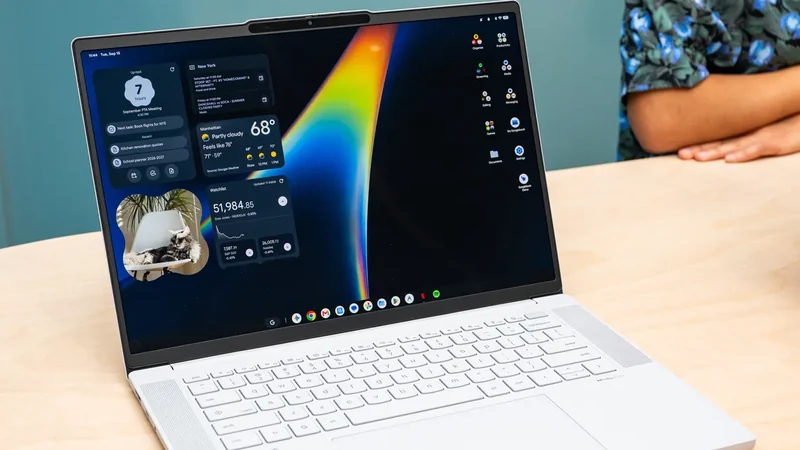
Googlebooks Emerge Alongside Traditional Chromebook Models
Google introduces the new Googlebooks laptop line running a custom version of Android, while traditional Chromebooks remain in the ecosystem.