Capping FPS in Games Boosts Performance and Prevents Tearing
While maximizing frames per second is a common goal for PC gamers, limiting output can actually deliver smoother, more efficient gameplay under the right conditions.
 Radwan AbdulhadiEditor and technology writer
The Case for Capping Frame Rates
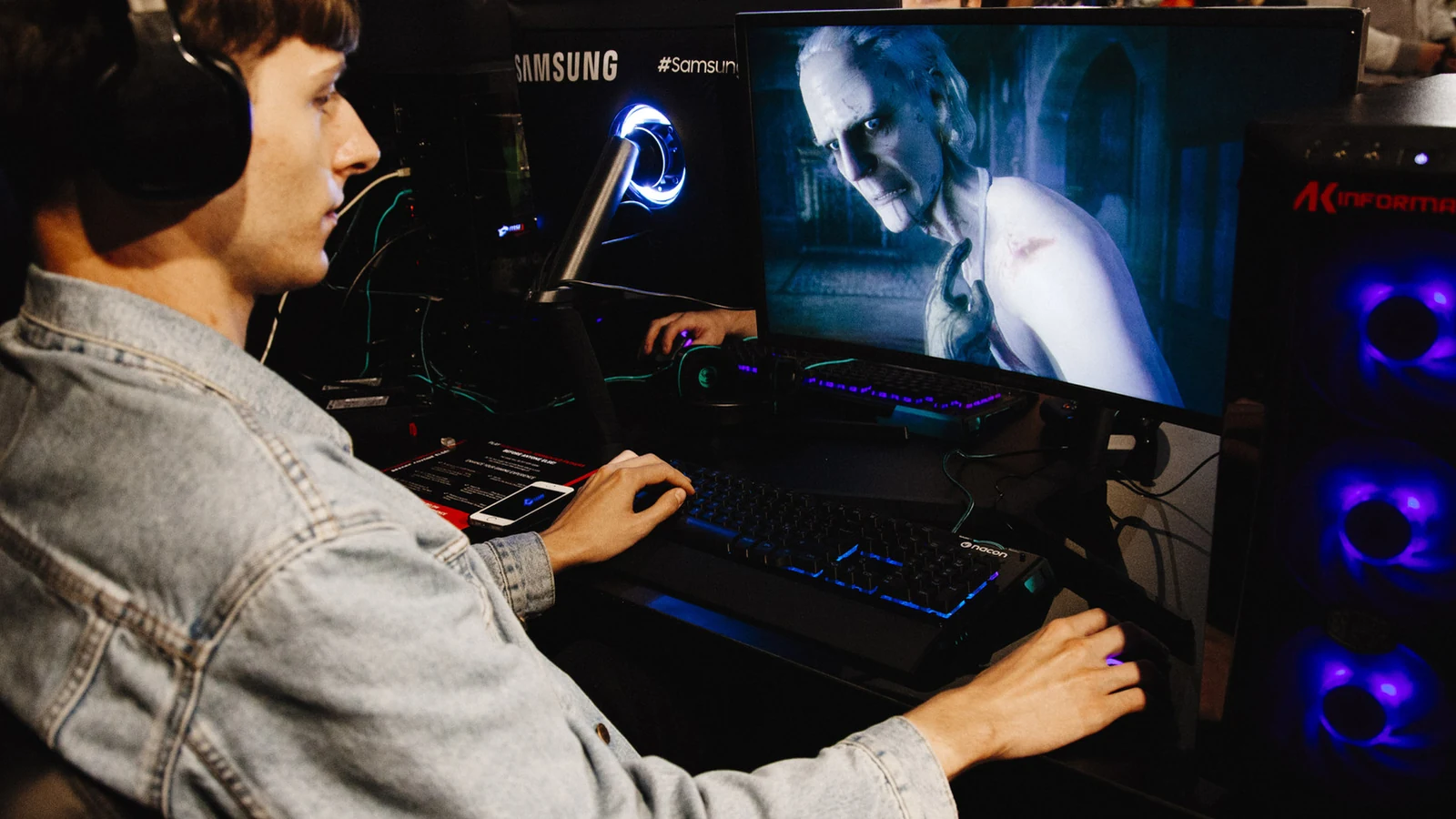
PC gamers often push their hardware to generate the highest possible frame rates, but limiting output can yield tangible benefits. According to a recent analysis by Engadget, capping frames per second can help stabilize performance, reduce GPU load, and prevent visual artifacts when paired with the right display technology. For those looking to boost GPU performance without buying a new one, a system-wide frame rate cap offers a practical solution that requires no additional hardware.
A frame rate cap reduces stress on the graphics card, which can lead to lower fan noise and decreased power consumption. It also helps maintain consistent performance by preventing the GPU from oscillating between high and low frame rates during demanding scenes. When combined with vertical synchronization, a cap can eliminate screen tearing, a visual defect that occurs when the GPU delivers a new frame before the monitor finishes displaying the previous one. This artifact manifests as horizontal flickering lines during fast motion and can severely break immersion.
Leveraging VRR Technology With Frame Rate Limits
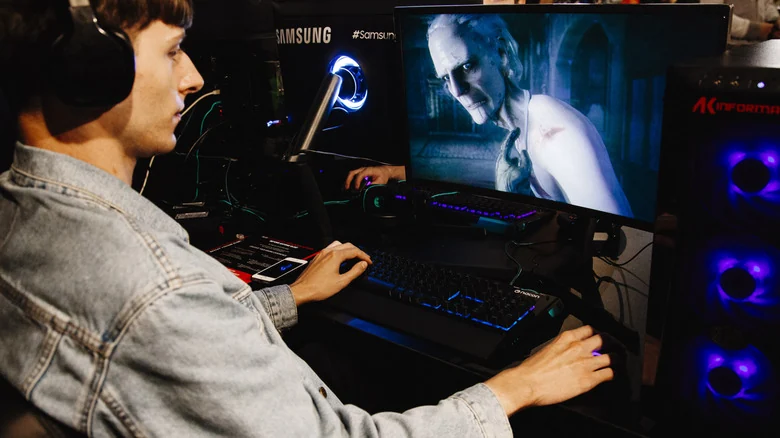
Variable refresh rate (VRR) technology, such as NVIDIA G-Sync and AMD FreeSync, dynamically adjusts a monitor's refresh rate to match the GPU's frame output. Setting a frame rate cap slightly below the display's maximum refresh rate keeps gameplay within the effective VRR range, which generally starts around 48 frames per second. This approach can reduce input latency while ensuring the action remains within the boundaries where adaptive sync can function effectively.
By capping frames just below the refresh rate ceiling, for example targeting 57 fps on a 60Hz panel or 237 fps on a 240Hz display, gamers can enjoy tear-free visuals without the performance penalty of traditional V-Sync. The difference between 57 and 60 frames per second is imperceptible to most players, making this a negligible trade-off for the stability gained. On VRR displays, capping the frame rate slightly below the max refresh rate can help reduce lag, though not to a significant degree.
Practical Methods to Cap Your Frame Rate
Most modern games include an in-game frame rate limiter within their graphics settings, though these can be inconsistent across titles. A more reliable approach is to use dedicated GPU software. Owners of NVIDIA cards can access the NVIDIA app or the NVIDIA Control Panel, navigate to Manage 3D Settings > Global Settings, and set a maximum frame rate. Similarly, AMD GPU users can cap frame rates on a system-wide level with AMD Adrenalin by navigating to Gaming > Radeon Chill and setting identical minimum and maximum frame rate values.
For those seeking additional control, third-party utilities such as Guru3D RTSS RivaTuner provide granular frame rate limiting across virtually any application. The recommended cap value depends on your display's maximum refresh rate, with the rule of thumb being three to four frames below the panel's rated speed to prevent tearing when V-Sync is enabled. So if you're on a 60Hz panel, aim for 57 fps; on a 120Hz display, go for 117 fps; and on a 240Hz screen, target 237 fps.
Understanding V-Sync and Its Trade-Offs
Vertical synchronization, or V-Sync, caps a game's frame rate to match the maximum refresh rate of the connected display. On a 120Hz monitor, for instance, V-Sync prevents output from exceeding 120 frames per second. The primary benefit is the near-elimination of screen tearing, which is widely regarded as an immersion-breaking defect. V-Sync synchronizes a game's frame rate to match the refresh rate of a monitor or TV, forcing the GPU to wait until a display's refresh cycle is complete before pushing a new frame.
However, V-Sync introduces input lag by forcing the GPU to wait. With 60Hz panels, that introduces a 16.7ms delay; for 120Hz screens, it's 8.33ms; and for ultra-fast 240Hz displays, just 4.17ms. The amount of latency V-Sync adds often varies by game, but a rule of thumb is to expect one additional refresh cycle of lag. If the GPU cannot render frames fast enough, queued frames will build up, increasing latency even further. In many cases, the added lag is not noticeable, but for competitive multiplayer titles where reaction time is critical, it can be a meaningful drawback.
NVIDIA Fast V-Sync as an Alternative
To address the latency concerns of standard V-Sync, NVIDIA developed V-Sync Fast, accessible through the NVIDIA Control Panel under Manage 3D settings. This feature aims to reduce standard V-Sync lag while also providing a lower-tear experience. Fast V-Sync lets the GPU keep rendering frames rather than make it wait for a refresh cycle to complete, so it does not cap FPS like standard V-Sync.
Fast V-Sync is particularly useful when the graphics card routinely produces frames well above the monitor's refresh rate. It serves as an alternative to manual frame rate capping for players who prefer an automated solution, though it does not function identically across all games and may not eliminate tearing in every scenario. For hardcore shooter fans using Team Green GPUs who crave the smoothest performance, it offers a middle ground between unrestricted frame rates and the input lag of traditional V-Sync.
Sources
- EngadgetShould you limit your FPS in games? Here's when it makes sense
Continue chronologically
Related entity coverage
Related stories
Understanding Screen Tearing and How to Fix It
Learn what causes screen tearing during PC and console gaming sessions, and discover how modern technologies like VRR and V-Sync can fix the problem.
What Does V-Sync Do to Your PC's Frames Per Second?
Explore how vertical synchronization affects PC gaming, frames per second, screen tearing, and input lag, along with alternatives like G-Sync and FreeSync.
How to Boost GPU Performance Without Buying New
Learn how to optimize your older graphics card, utilize AI supersampling, and maintain your PC hardware to boost gaming frame rates without upgrading.
Intel's Gloomy PC Outlook Triggers $1 Trillion Chip Market Wipeout
Intel shares plunge 30% after a weak PC outlook, erasing $150 billion and sparking a wider semiconductor market bloodbath across the industry.