Intel's Gloomy PC Outlook Triggers $1 Trillion Chip Market Wipeout
A disastrous financial outlook from Intel sent shockwaves through the global technology sector, erasing approximately $1 trillion in semiconductor market capitalization in a single day.
 Radwan AbdulhadiEditor and technology writer
Historic Plunge at Intel Erases Billions
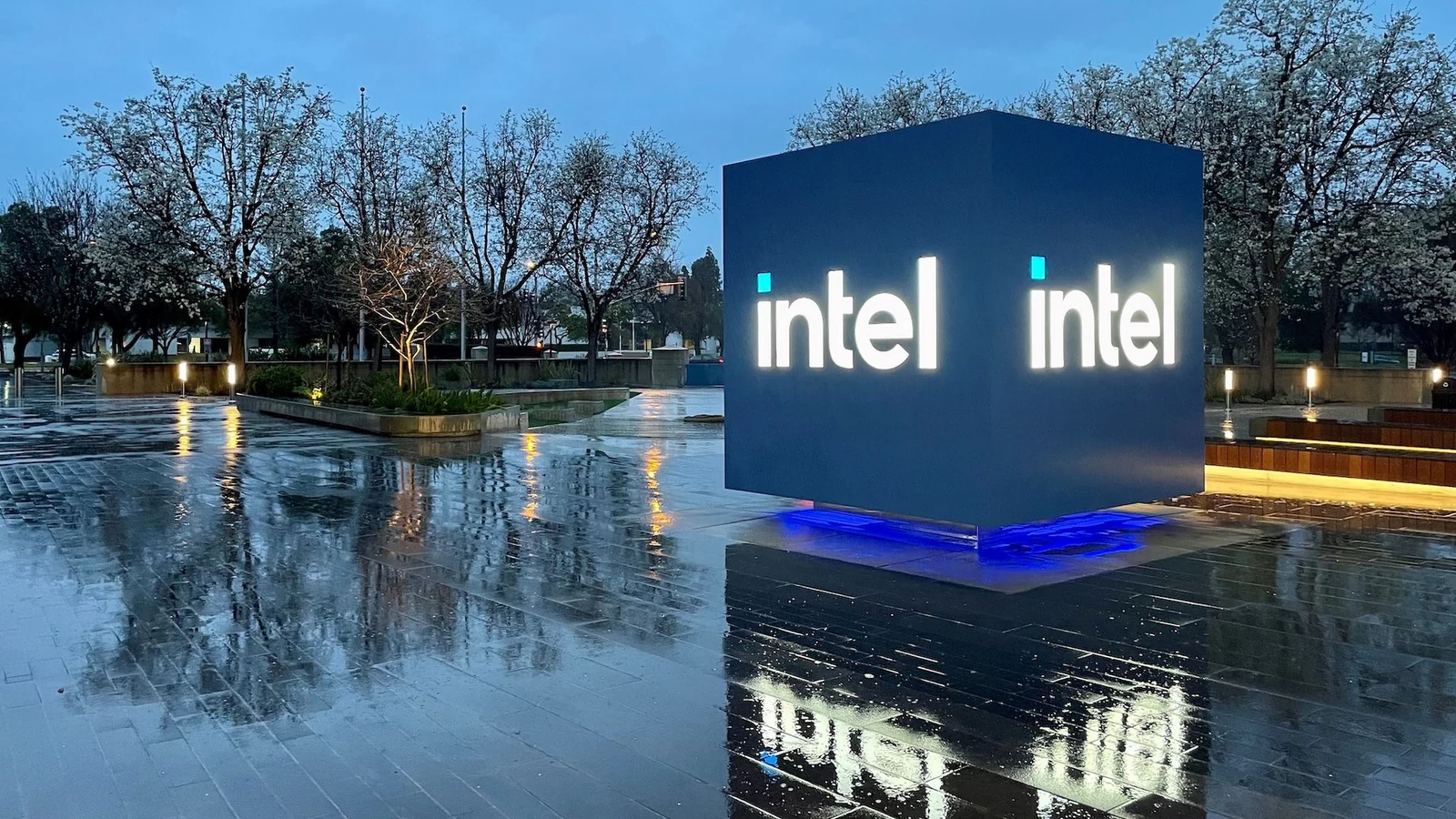
Intel experienced the largest single-day loss in its history on Friday as its shares plunged 30%, wiping out nearly $150 billion in market capitalization. According to reports detailed by Tom's Hardware, the sharp decline followed a disappointing financial outlook largely driven by an anticipated sales drop of more than 20% in Intel's client computing group (CCPG), which serves as the company's primary cash cow.
The repercussions quickly rippled across the broader technology ecosystem. Intraday estimates published by Benzinga revealed that approximately $1 trillion in total semiconductor market capitalization was wiped out during the session as investors reacted to the bleak industry outlook.
Broad Semiconductor Sector Hit Hard
The PHLX Semiconductor Sector Index (SOX), which tracks 30 major semiconductor companies, dropped 9.14% or 1,052.82 points down to 10,465.38 points as of 2:31 PM ET. While Intel bore the brunt of the downturn, virtually no chip stock escaped unscathed from the widespread investor panic.
Other major semiconductor and chip-related firms suffered significant double-digit losses. Arm shares fell 12.68%, AMD dropped 12.48%, Qualcomm slid 12.14%, Applied Materials decreased 8.73%, ASML lost 8.13%, Lam Research dropped 8%, Micron fell 7.28%, and Broadcom declined 7.1%. Meanwhile, AI giant Nvidia lost 5.66% of its market capitalization, which translated to a staggering $270 billion in absolute dollar terms—ironically eclipsing Intel's total loss in monetary value despite a smaller percentage drop.
Downturn Spreads to Cloud Giants and Server Vendors
The market bloodbath was not limited to silicon designers and manufacturers. In an unexpected turn of events, the downturn extended to server makers and cloud infrastructure providers as well.
Firms like Dell (-12.67%), HPE (-8.10%), Supermicro (-6.96%), and Oracle (-6.88%) lost between 7% and 13% of their market value. Reuters noted that the steep declines reflected growing investor skepticism regarding the massive capital investments required to expand artificial intelligence infrastructure, alongside mounting questions about whether such high levels of spending are sustainable over the long term.
CCPG Performance and 2027 Client Market Outlook
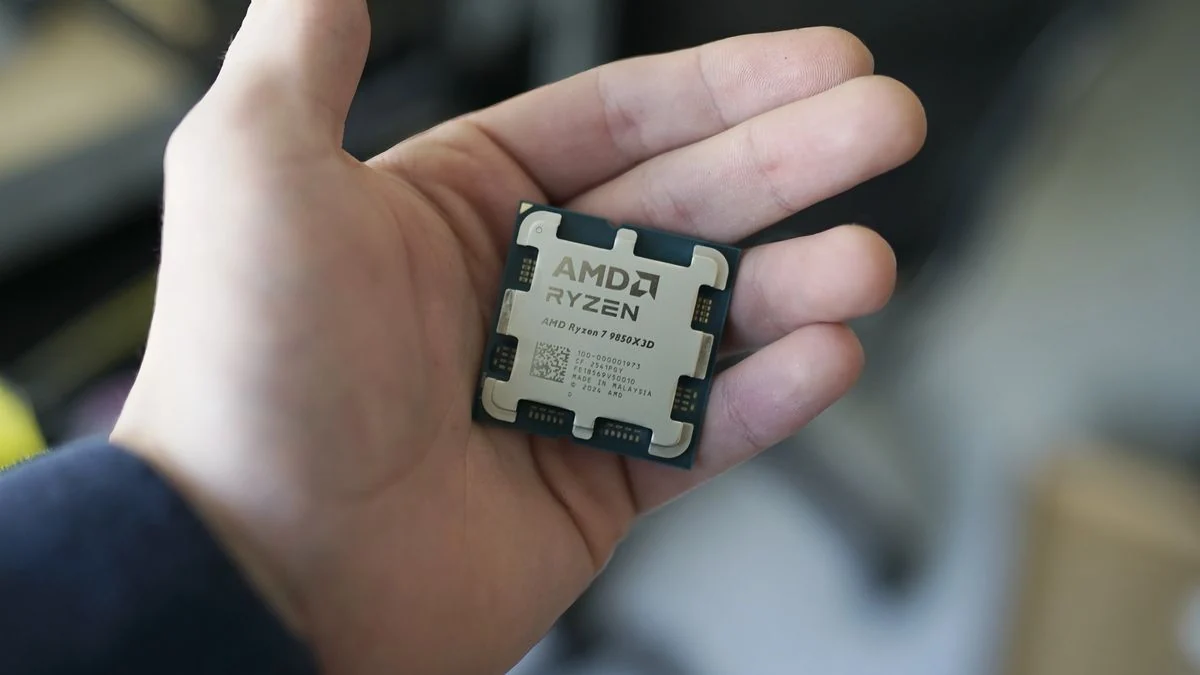
Intel's client computing and physical AI group (CCPG) generated $8.1 billion in revenue during Q3 2026, marking a 5% decrease year-over-year and a 9% drop sequentially. Weaker consumer demand combined with heightened competition caused client processor shipments to fall 14% year-over-year, though this was partly mitigated by a 9% rise in average selling prices. CCPG accounts for nearly half of Intel's overall revenue of approximately $16.5 billion.
Looking ahead, Intel expects the client market to deteriorate further throughout the fourth quarter of 2026 and into 2027. Elevated memory prices and ongoing shortages of other components are projected to increase PC prices and depress demand. Overall, Intel forecasts that the client PC market will contract by 10% in 2027 compared to 2026, directly impacting CCPG's future performance. Although the company anticipates continued growth in its data center business, industry-wide supply constraints will limit its ability to fully satisfy market demand.
Apple Proves Resilient Amid Industry Turmoil
In stark contrast to the rest of the semiconductor and PC ecosystem, Apple (-1.66%) remained largely unaffected by the selloff. Despite being the world's largest supplier of microprocessors when factoring in the A-series system-on-chips used in iPhones, Apple's shares held steady because investors perceive the consumer electronics giant as more insulated from memory price fluctuations.
Analysts pointed out key differences in business models explaining Apple's insulation. Unlike Intel, which sells standalone processors to third-party PC manufacturers, Apple designs its own silicon and monetizes it as part of fully integrated finished devices, capturing revenue across the entire hardware ecosystem. Furthermore, while Intel relies heavily on the cyclical PC market, Apple's iPhone business aligns more closely with the smartphone replacement cycle. This divergence illustrates that market participants were not abandoning companies associated with semiconductors entirely, but rather reassessing profitability and growth sustainability across high-tech industries.
Sources
- Tom's HardwareIntel’s woes wipe out $1 trillion of semiconductor market cap in one day — PC market bloodbath leaves few chip stocks unscathed
Continue chronologically

Related entity coverage
Related stories
AMD Surpasses $1 Trillion Market Cap Milestone
AMD has officially joined the elite trillion-dollar market cap club, outpacing Intel following a significant surge in stock price fueled by data center demand.
Modal Adopts Nvidia Vera CPUs After Internal Tests Show 2X Gains
AI startup Modal plans to deploy Nvidia Vera CPUs following internal tests that showed a 2x throughput advantage over current Intel and AMD processors.
Amazon Prime Big Deal Days 2026 Kicks Off With Tech Discounts
Amazon Prime Big Deal Days 2026 brings major discounts on PC hardware, graphics cards, gaming monitors, and audio gear during the October sale event.
How to Boost GPU Performance Without Buying New
Learn how to optimize your older graphics card, utilize AI supersampling, and maintain your PC hardware to boost gaming frame rates without upgrading.