Securing Quick Access from Corporate Networks With AWS PrivateLink
Enterprise administrators can now leverage AWS PrivateLink to connect corporate networks and on-premises data sources to Amazon Quick privately, eliminating public internet exposure for sensitive analytics traffic.
 Radwan AbdulhadiEditor and technology writer
Overview of Private Network Connectivity
When enterprise data resides behind a corporate firewall or inside a private on-premises data center, direct network paths from AWS are absent, despite the ability of AI agents and dashboards in Amazon Quick to query virtually any data source. Organizations must ensure that sensitive enterprise data remains unexposed to the public internet while staying accessible for AI-driven insights and actions.
Routing traffic over the public internet introduces high risks for many enterprises. Regulatory frameworks such as HIPAA, FedRAMP, and PCI-DSS often mandate that sensitive data stays within controlled network boundaries. Even without strict compliance requirements, exposed internal data paths expand the attack surface, complicate audit trails, and introduce variable latency that can degrade user experiences.
Architecture and Traffic Paths
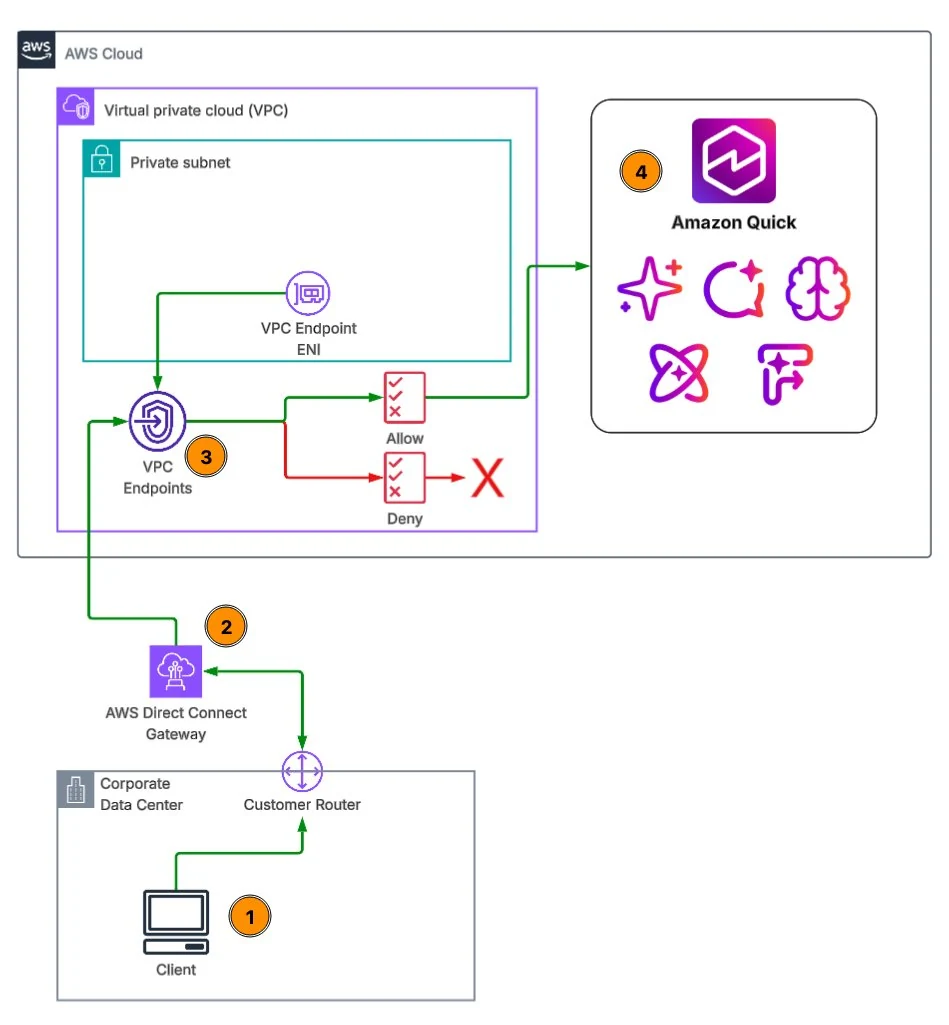
An official walkthrough published on the AWS Machine Learning Blog details how to connect on-premises data sources to Amazon Quick privately without letting traffic traverse the public internet. The architecture assumes an existing AWS Direct Connect or AWS Site-to-Site VPN link between the on-premises environment and a virtual private cloud (VPC).
Data access in Amazon Quick is divided into two distinct traffic paths. User-facing traffic includes opening the Quick console, interacting with dashboards, executing API calls, or using Quick Desktop. These sessions route securely through VPC endpoints, keeping user interactions off the public internet.
Data-Fetching and VPC Connections
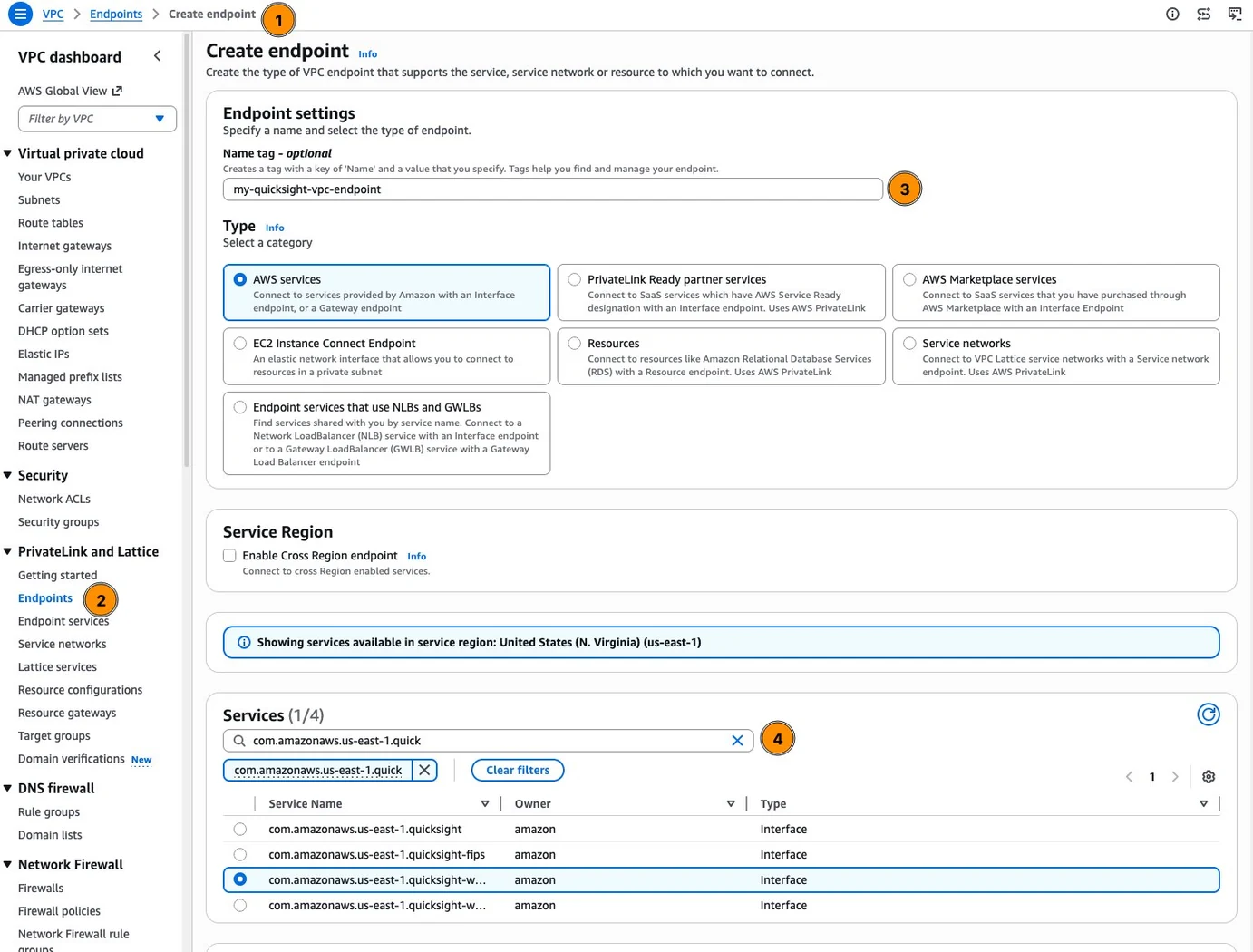
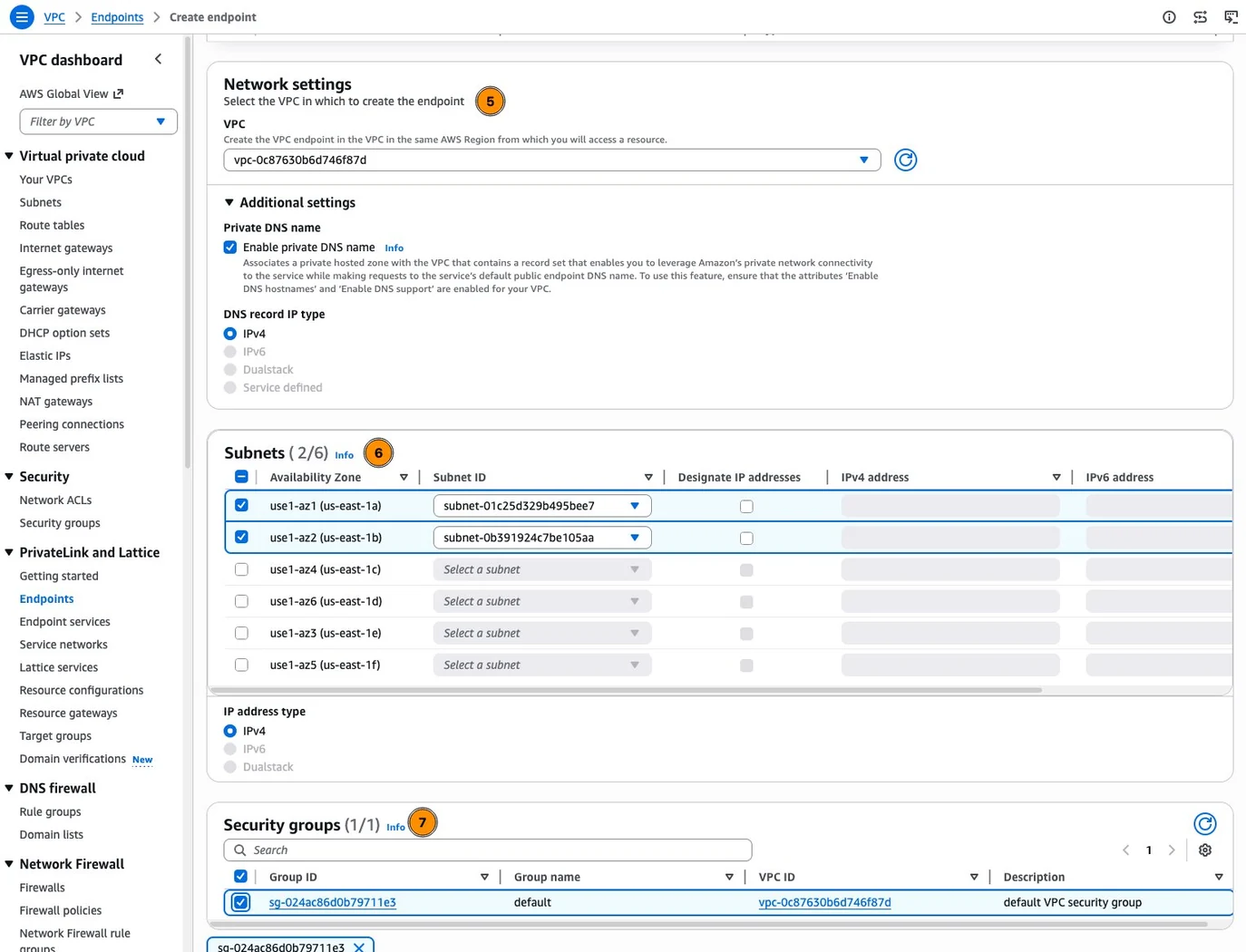
Data-fetching traffic occurs when Amazon Quick actively reaches into corporate networks to retrieve data. This process relies heavily on VPC connections, which serve as the primary architectural focal point for administrators managing private database queries and internal APIs.
Administrators can review detailed specifications regarding Supported VPC data sources to understand how Amazon Quick Sight queries on-premises databases like PostgreSQL, MySQL, SQL Server, and Oracle directly through elastic network interfaces placed inside a designated VPC.
Automation and AI Agent Integration
Automation features like Amazon Quick Flows and Amazon Quick Automate handle repeatable tasks and complex, multi-system orchestrations with human-in-the-loop capabilities. Both features invoke action connectors, including Model Context Protocol (MCP) servers hosted privately within a VPC.
Additionally, Quick Agents underpin conversational interactions and can invoke action connectors directly. When a custom agent reaches out to a privately hosted MCP server or an internal API, the traffic flows smoothly through the established VPC connection.
Prerequisites and Compliance Setup
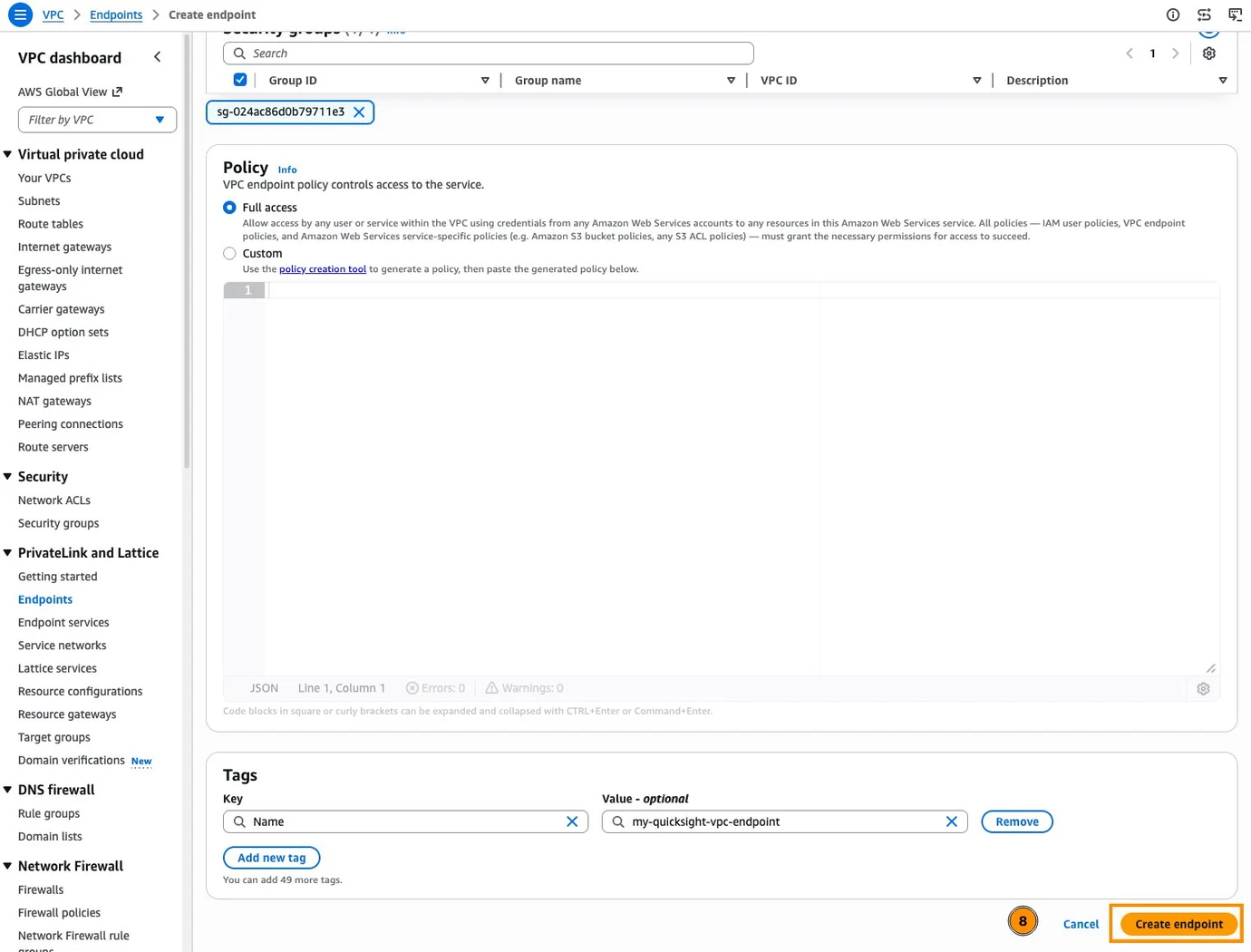
Before configuring private connectivity, enterprises need an active AWS account with an Amazon Quick Enterprise subscription, an existing VPC in the deployment region, and appropriate IAM permissions. Administrators can consult the Getting started with IAM Identity Center documentation to properly manage identity federation and access management considerations.
By deploying these mechanisms, organizations establish a fortified network architecture that maintains consistent, low-latency connectivity, minimizes the overall attack surface, and fulfills rigorous regulatory compliance mandates.
Sources
- AWS Machine Learning BlogSecuring Quick access from corporate networks with AWS PrivateLink
Continue chronologically


Related entity coverage
Related stories
Deploying AI in HIPAA Environments with Amazon Quick
Learn how healthcare organizations deploy agentic AI within a HIPAA-eligible environment using Amazon Quick while managing strict regulatory compliance.
Amazon Quick and Bedrock Tackle RAG Access Control
Amazon Quick and Amazon Bedrock Knowledge Bases implement real-time ACL enforcement to secure enterprise RAG solutions against stale permissions.
Managing User Role Downgrades in Amazon Quick
Learn how to safely downgrade user roles in Amazon Quick using manual deletion or the AWS CLI while preserving critical assets.
Amazon Quick Adds Live Data Support for AI-Built Apps
Amazon Quick introduces Live Data in Apps, allowing AI-built web applications to query governed datasets in real time instead of using static snapshots.