Googlebooks Emerge Alongside Traditional Chromebook Models
Google has introduced a fresh line of laptops called Googlebooks, bringing an evolution from Chrome OS while traditional Chromebooks continue to stick around for the foreseeable future.
 Radwan AbdulhadiEditor and technology writer
The Transition From Chrome OS to Googlebooks
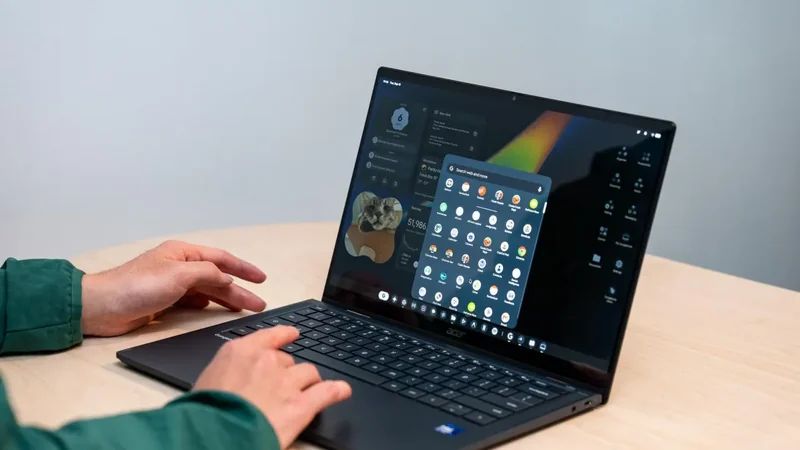
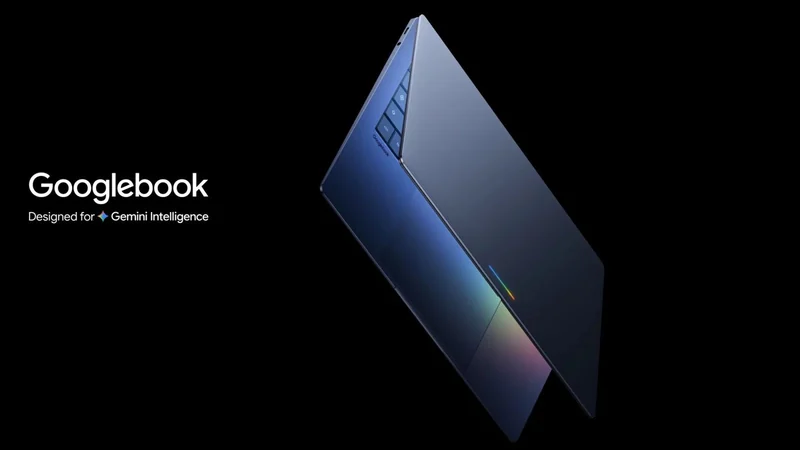
Google has officially introduced a new series of laptops known as Googlebooks, marking what appears to be an evolution from Chrome OS. While the tech giant announced that standard Chromebooks will remain in the lineup for the foreseeable future, some of the latest models are slated to receive updates to the new Googlebook operating system.
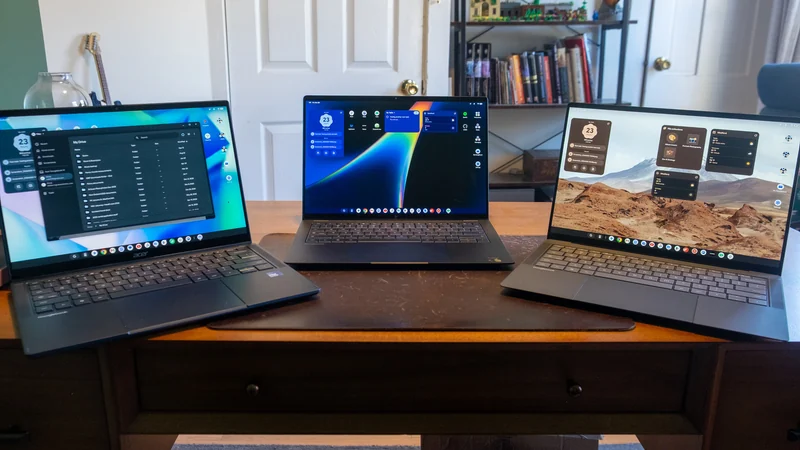
Five initial Googlebook models have been released for testing, representing some of the most premium hardware ever seen in the Google laptop ecosystem. However, first-generation products carry inherent compromises, making a careful evaluation necessary for prospective buyers seeking alternatives in the broader market of Best Laptops.
Budget-Friendly Chromebook Options Remain Available
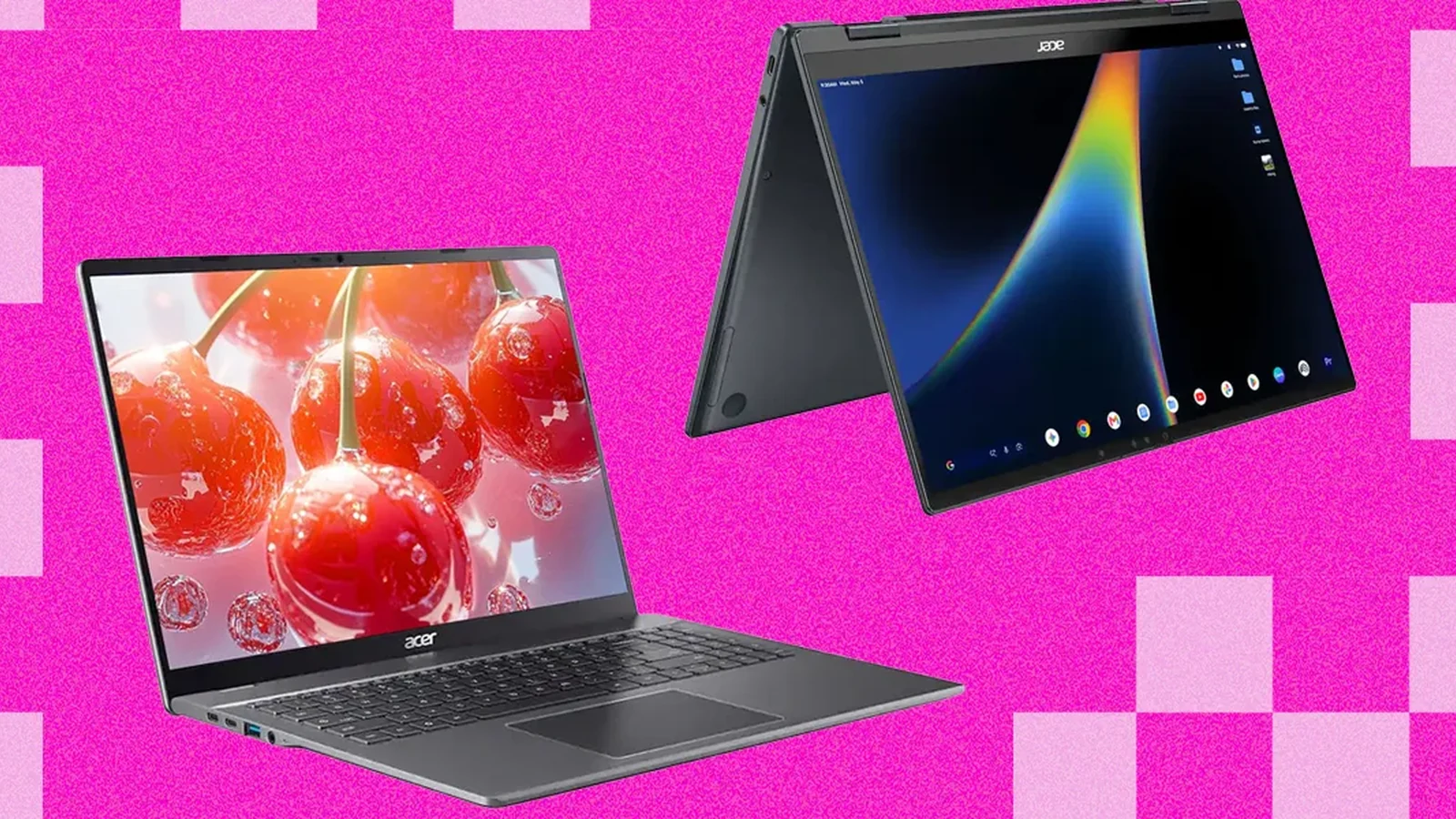
For buyers prioritizing price, Chromebooks continue to serve as a cheaper alternative to traditional PCs and Macs. The Acer Chromebook Plus 516 ranks at the top of budget recommendations, frequently selling for under $500 and featuring a responsive touchpad paired with an Intel Core i3 processor, 8 GB of RAM, and 128 GB of storage.
Meanwhile, the Asus Chromebook CX14 and CX15 models can drop to prices as low as $130 in certain configurations. Although these non-Plus models utilize lower-powered processors and smaller configurations, the Asus Chromebook CX14 offers a more compact layout by omitting the number pad and off-center touchpad found on the larger CX15.
Consumers are cautioned against purchasing outdated, inexpensive machines without checking specifications, as modern budget options provide better battery life and performance than older legacy hardware.
Googlebook OS and Android Integration
Googlebooks share several similarities with traditional Chromebooks but operate on a custom version of Android referred to as Googlebook OS. This platform behaves similarly to Chrome OS while natively running Google Play Android apps, allowing them to perform much like applications on an Android phone or tablet.
A key advantage of the new Googlebook architecture is seamless integration with Android devices. Users can send and receive text messages or directly control phone apps, resembling cross-device connectivity found in other mobile ecosystems. Additionally, Googlebooks feature the full version of the Chrome web browser, which can be updated independently from the operating system.
Hardware Specifications and Pricing for Googlebooks
Unlike budget-tier Chromebooks, all available Googlebooks are equipped with 16 GB of RAM and 512 GB of storage, placing them on par with high-end Windows laptops and the MacBook Air. Pricing remains a primary hurdle for this first generation of devices.
The Acer Googlebook 14 serves as a relatively affordable entry point into the new lineup, featuring a superior OLED display with a 2880 x 1800 resolution and a 120-Hz refresh rate. Meanwhile, the Dell XPS Googlebook emphasizes portability and high-end design by utilizing the same compact chassis as the latest Dell XPS 13.
Performance-wise, Acer and Dell models utilize Qualcomm Snapdragon X Elite processors, while HP and Asus models incorporate Intel chips. Despite the efficiency of these processors, current Googlebook models do not match the battery longevity found on competing Windows devices or the speed of Apple's M5-powered MacBook Air.
Sources
- WIREDBest Chromebooks and Googlebooks (2026): Laptops With a Google Touch
Continue chronologically


Related entity coverage
Related stories
Google Admits Intel Googlebooks Face Android App Issues
Google acknowledges that Intel-based Googlebooks may encounter performance issues with a small handful of Android apps upon launch.
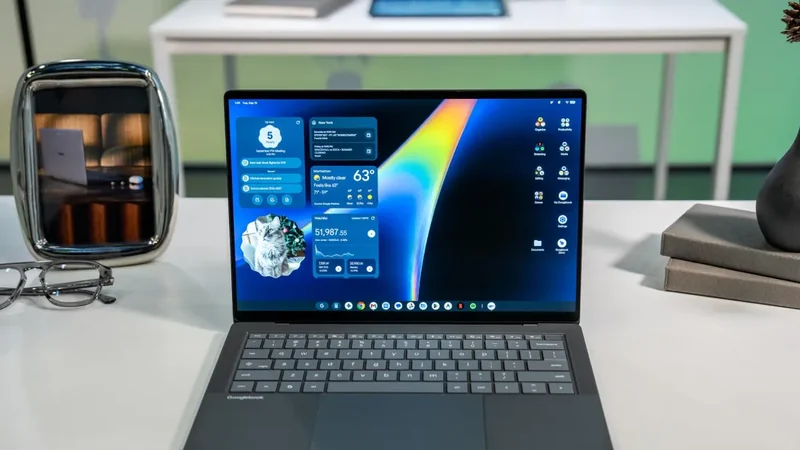
Intel Googlebooks May Struggle With Some Android Apps
Google reveals that certain Android apps may face performance issues on Intel-based Googlebooks due to their original design for Arm chips.
Evaluating Googlebooks and the New Android Laptop OS
An evaluation of Googlebooks and the new Android-powered laptop operating system, examining hardware, setup, and current software limitations.
Google Launches Android-Powered Googlebook Laptop Lineup
Google is introducing its new line of Android-based Googlebook laptops on October 4th, featuring deep mobile integration and Gemini AI capabilities.