New York Data Centers Spark Tensions and Policy Dilemmas
New York's pioneering pause on digital infrastructure development offers a preview of the political challenges facing officials nationwide as communities push back against major technology projects.
 Radwan AbdulhadiEditor and technology writer
The Context of New York's Moratorium
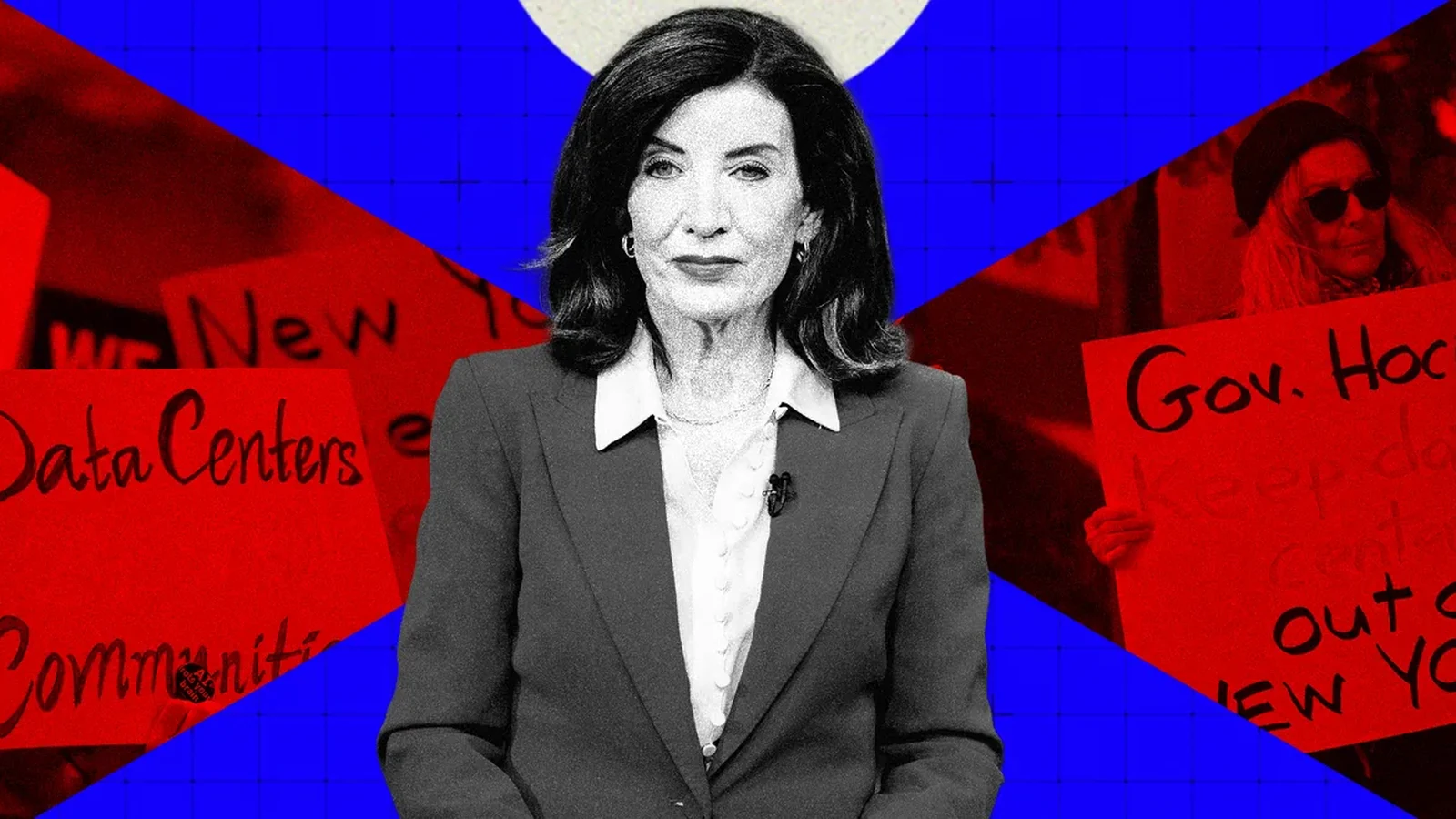
When New York became the first state in the country to enact a moratorium on data center development , local organizers who spent years fighting specific infrastructure proposals experienced a mix of relief and ongoing anxiety. In western Genesee County, grassroots efforts had mobilized to halt a planned 600-megawatt facility situated near a federal wildlife refuge and the Tonawanda Seneca Nation's reservation.
Months after the initial one-year executive order took effect, some local advocates expressed worry that the measures might not go far enough. Activists questioned whether state environmental agencies would maintain adequate oversight during the evaluation of large-scale digital infrastructure proposals.
Legislative Compromises and Executive Action
The path to New York's executive order involved a balancing act between lawmakers and the governor's office. Weeks before Governor Kathy Hochul signed the administrative pause, the state legislature advanced an omnibus bill that would have instituted a strict one-year statewide halt. That legislative proposal included specific size limitations and mandated comprehensive environmental impact assessments overseen by the Department of Environmental Conservation.
Instead of immediately signing that broader bill, Governor Hochul issued an executive action while maintaining that the administration continued to review the legislative text. State lawmakers who sponsored the initial package noted that the administration collaborated closely to provide immediate relief for constituents grappling with utility and environmental concerns.
Political Landscape and Voter Sentiments
Data centers have emerged as a prominent subject in midterm races across the country , with candidates from multiple political backgrounds making pledges to regulate or pause development. In New York, public opinion polling indicated that a substantial majority of voters remained opposed to nearby data center construction even after the temporary statewide pause expires.
While incumbent leaders and challengers debated the economic benefits versus the local disruptions of heavy technological infrastructure, public skepticism remained high. Discussions involving agricultural, environmental, and business leaders highlighted the ongoing debate over how to integrate industrial computing facilities without overwhelming local resources.
National Implications for Incoming Officials
The friction experienced in New York mirrors a broader national trend. Research compiled by government relations organizations indicates that numerous gubernatorial candidates have committed to implementing data center restrictions or pauses. Even politicians in traditionally industry-friendly jurisdictions have faced pressure to adopt stricter oversight on high-consumption computing projects.
As newly elected officials assume office, they must navigate the expectations of engaged constituents who have organized actively around land use, noise pollution, and resource consumption. The ability of leaders to honor campaign commitments regarding digital infrastructure will serve as a crucial test of governance in technology-heavy states.
Sources
- WIREDWhat Democrats Can Learn From New York’s Data Center Moratorium
Continue chronologically


Related stories
Data Centers Become a Major Battleground in US Midterms
Candidates across the US are leveraging anti-data center sentiment in tight midterm races, making the industry a pivotal political issue.

Data Centers Emerge as Major Issue Ahead of Midterms
AI and data centers have become intense ballot-box issues, dominating discussions at recent midterm events even in urban areas like Brooklyn.

Microsoft Camouflages Data Centers With Nature and Wetlands
Microsoft is implementing a biomimicry program to blend more than 20 data center sites into natural landscapes using wetlands and native gardens.
Trump’s Data Center Push Clashes With MAGA Base Opposition
Donald Trump’s support for AI data centers faces backlash from Republican voters and MAGA supporters who oppose expansion, per WIRED analysis.