Intel Googlebooks May Struggle With Some Android Apps
Google has admitted that some Android applications might not run as well on Intel-powered Googlebooks compared to Qualcomm-powered versions, as many apps were originally designed for Arm architecture.
 Radwan AbdulhadiEditor and technology writer
Googlebook Launch and Initial Performance Disclosures
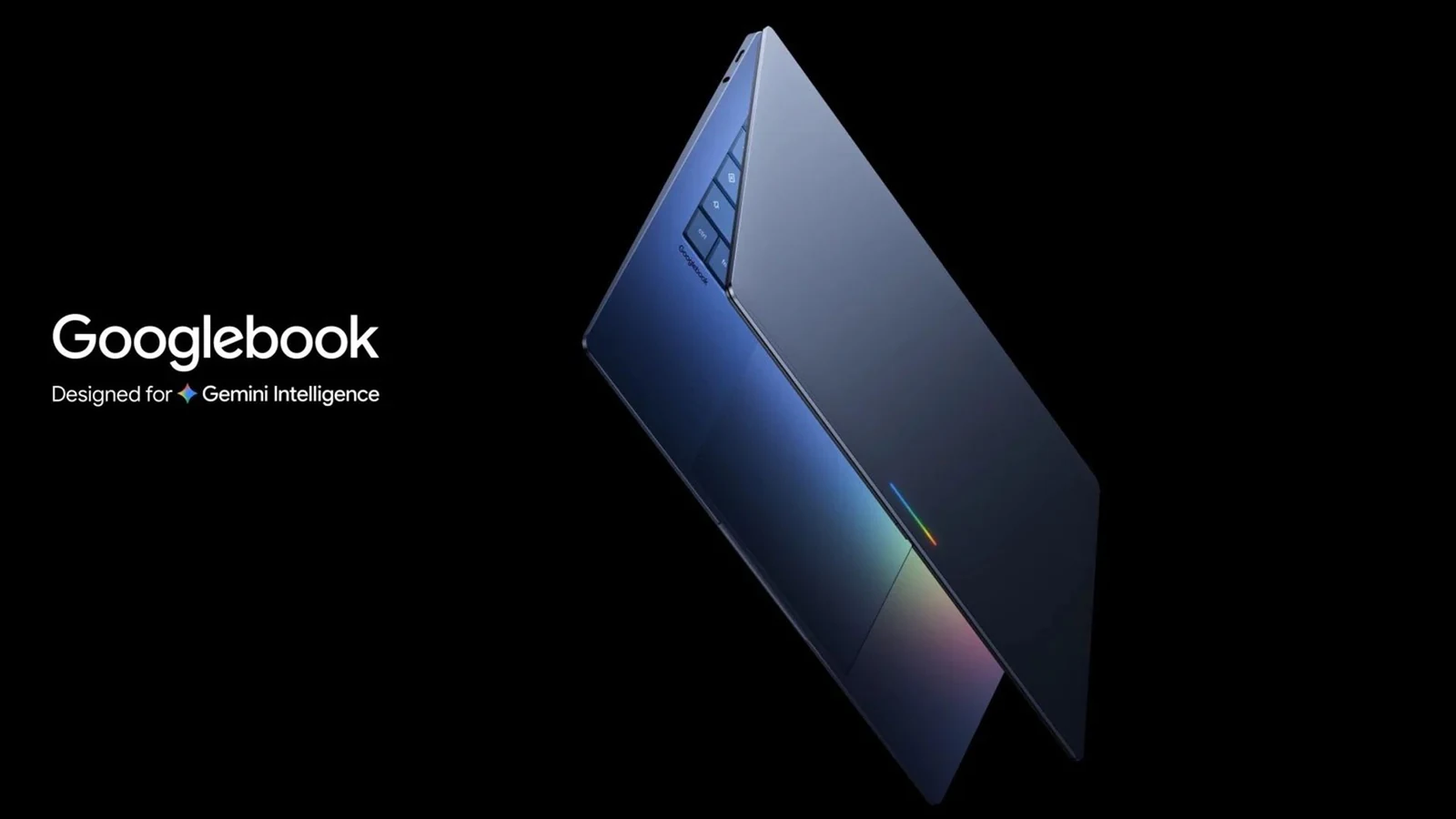
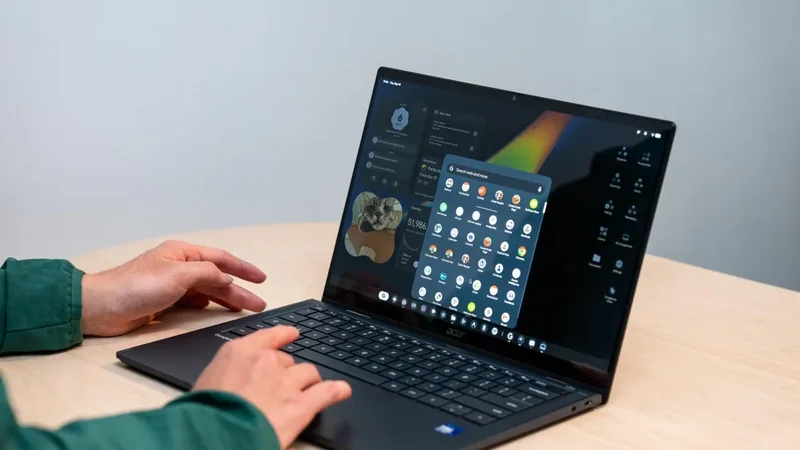
Google recently introduced five new laptops, which officially went on sale on Sunday. These new devices, referred to as Googlebooks, are intended to run Android apps natively. However, Google admitted in a statement to Android Authority that not all applications may perform as well on the systems equipped with Intel processors compared to those utilizing Qualcomm chips.
While addressing the performance gap, Google stated that the vast majority of Android apps run smoothly across both Intel and Qualcomm Googlebooks right out of the box. Nevertheless, the company noted that because many Android apps were originally designed for Arm chips, a small handful of complex applications or games require developer tuning to run their best on Intel-based platforms. Google indicated it is working alongside app developers, Intel, and Qualcomm to continuously optimize performance and expand compatibility.
Hardware Models and Unnamed Affected Applications
The newly released lineup features distinct hardware configurations across different manufacturers. The Googlebooks equipped with Intel processors include the Asus Googlebook 14, Lenovo Googlebook 15, and the Acer Googlebook 14. In contrast, the Dell XPS Googlebook and the HP Googlebook 14 rely on Qualcomm's Snapdragon X Elite chips.
Despite these hardware distinctions, Google has not named specific applications that might experience issues on the Intel-based systems. Furthermore, none of these performance claims were disclosed prior to the Googlebooks becoming available on store shelves.
Technical Architecture and Code Translation Challenges
Most Android apps are expected to function properly on Intel Googlebooks due to the widespread use of Kotlin for Android development, alongside many applications built using Java. If an app's underlying pipeline consists primarily of Java or Kotlin, it holds a high probability of running successfully on Intel hardware thanks to architecture-agnostic libraries and SDKs.
Despite these broad compatibilities, certain applications continue to rely on native components compiled exclusively for ARM64 without accompanying x86-64 versions. Technologies like Intel Bridge and Android’s Native Bridge can translate ARM64 code for x86 compatibility, but if a developer does not specifically account for x86 architecture, users may run into technical challenges.
Ecosystem Integration and Software Distribution
All software applications on the Googlebooks will be distributed directly through Google's Play Store, offering a combination of optimized and unoptimized apps. Users are restricted from downloading applications directly from the web unless they are explicitly redirected to Google Play.
Through this ecosystem, Google aims to compete directly with Apple's Mac lineup by offering a comprehensive Android ecosystem experience that spans from mobile phones to laptops. This mirrors the conveniences Apple provides between its laptops and mobile devices.
Pricing, Specifications, and Additional Perks
The new laptops carry retail prices ranging from $899 to $1,299, marking a notable jump from alternative options like the MacBook Neo priced between $699 and $799. To offset this price difference, the Googlebooks offer increased memory configurations with choices of either 16GB or 32GB of RAM.
Storage options remain constrained, offering only 256GB or 512GB capacities. However, each Googlebook purchase includes a 12-month subscription to Google AI Pro, which encompasses 5TB of cloud storage currently valued at $249.99.
Sources
- Tom's HardwareIntel's Googlebooks might not run some Android apps as well as Qualcomm's — Google says this is because Android apps were designed for Arm chips
Continue chronologically

Related entity coverage
Related stories
Google Admits Intel Googlebooks Face Android App Issues
Google acknowledges that Intel-based Googlebooks may encounter performance issues with a small handful of Android apps upon launch.
Google Launches Googlebook Laptops for Android Users
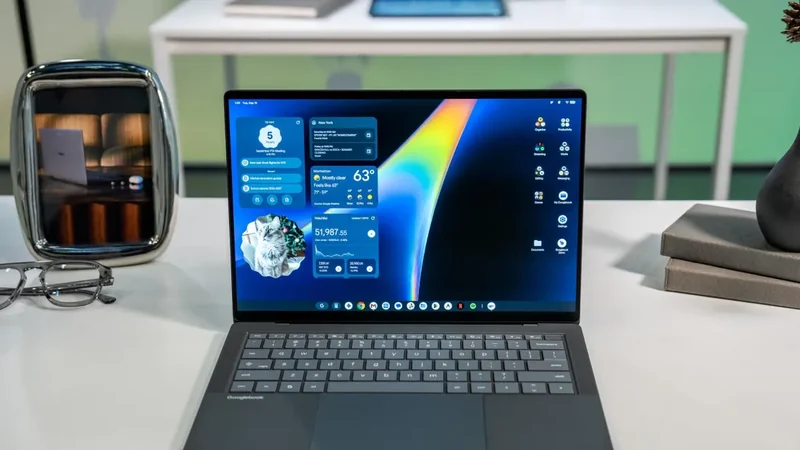
Google has officially unveiled Googlebooks, a new line of laptops designed to provide seamless connectivity and synergy with your Android smartphone.
Google Launches Android-Powered Googlebook Laptop Lineup
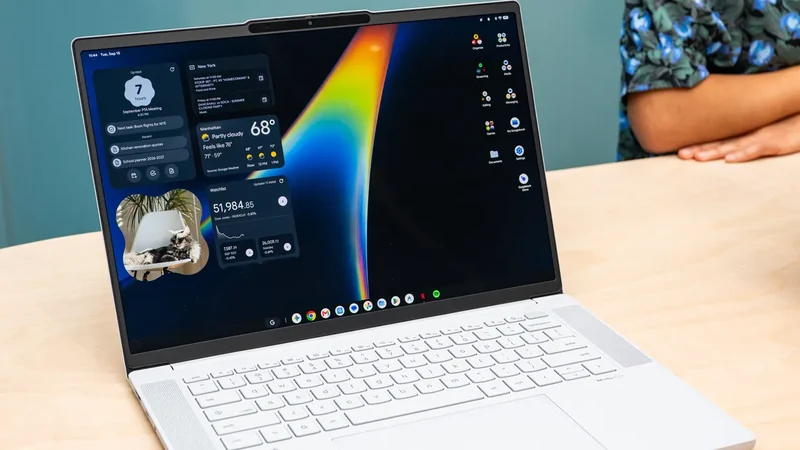
Google is introducing its new line of Android-based Googlebook laptops on October 4th, featuring deep mobile integration and Gemini AI capabilities.
Google Unveils New Googlebook Laptop Lineup
Google launches a new series of premium laptops featuring a hybrid OS, deep Android integration, and advanced Gemini AI capabilities to rival Mac hardware.