
Google Launches Android-Powered Googlebook Laptop Lineup
Google has officially unveiled its new Googlebook series, a collection of high-end, Android-based laptops designed to bridge the gap between mobile and desktop computing. The devices, launching in October, focus on ecosystem synergy for Android users.
 Radwan AbdulhadiEditor and technology writer
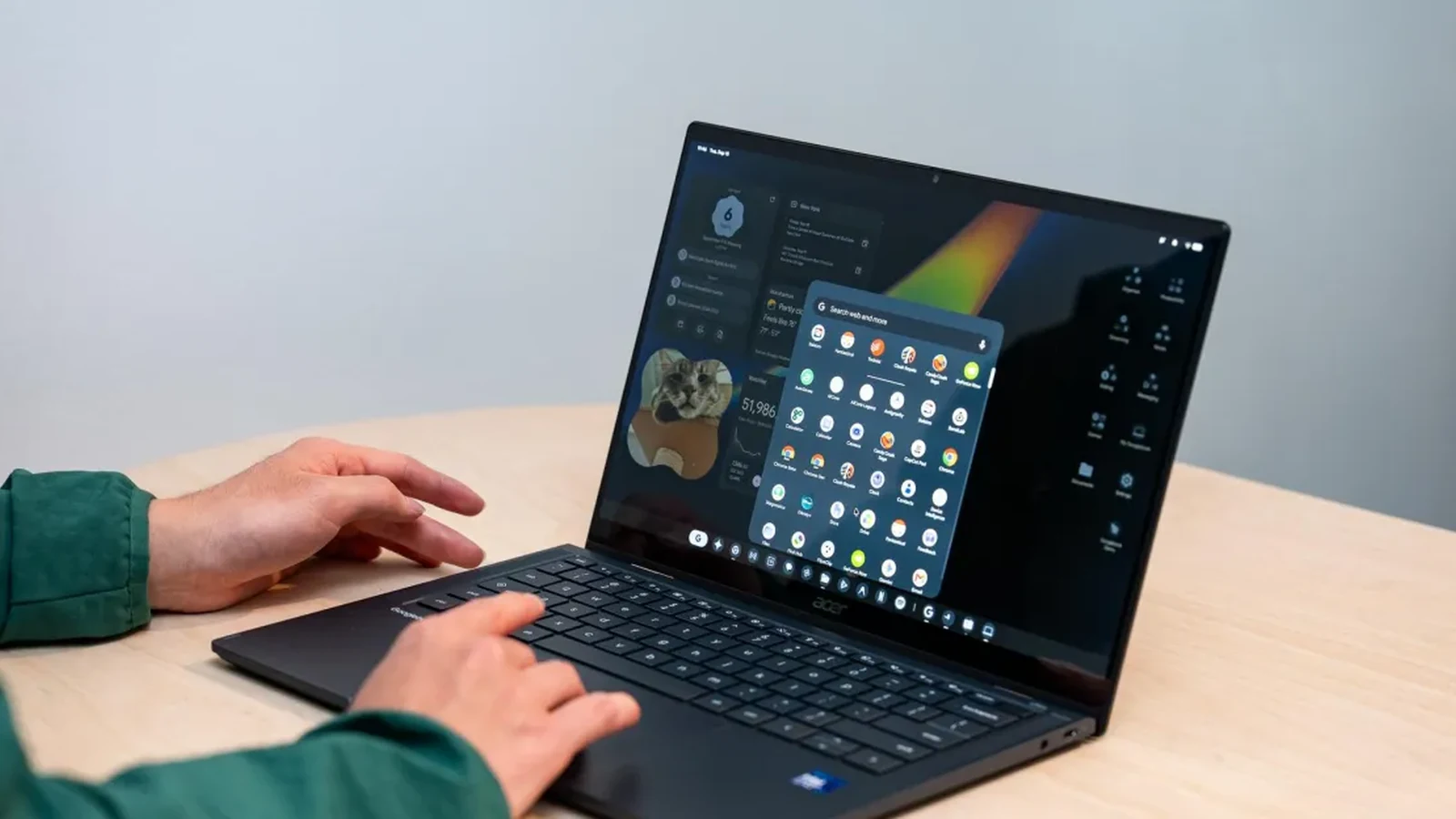
A New Chapter for Android Hardware
After an initial bare-bones announcement in May, Google is set to release its highly anticipated Googlebook laptops on October 4th. These devices represent a significant shift in Google’s hardware strategy, moving away from the purely cloud-centric focus of traditional Chromebooks to a more robust, Android-integrated ecosystem. The hardware is designed with premium materials, including metal chassis, touchscreen OLED displays, and high-end components that aim to compete in the thin-and-light laptop market.
The first wave of these devices includes models from major manufacturers such as Dell, Lenovo, HP, Acer, and Asus. While specifications vary by model, the common thread across the lineup is the inclusion of the Android-based operating system, which uses the Material Three Expressive design language to provide a cohesive visual experience. These laptops are engineered to be thin and portable, ranging from 13 to 15 inches, and all feature at least 16GB of RAM.
Seamless Phone and Laptop Synergy
The standout feature of the new Googlebook line is its capability to act as an extension of a user’s Android phone. Google has implemented several features that allow the two devices to function as a singular unit. Through the 'Continue On' feature, users can hand off active mobile applications to their laptop, transitioning seamlessly between mobile and desktop environments. Furthermore, the operating system allows for native app casting and file synchronization, making the phone’s storage accessible directly within the laptop’s file manager.
Diverse Hardware Options
The initial hardware rollout offers a variety of form factors to suit different user needs, including 2-in-1 convertibles and traditional clamshell designs. Internally, the machines are powered by high-performance silicon, specifically the Intel Core Ultra Series 3 “Panther Lake” and Qualcomm Snapdragon X Elite chips. For prospective buyers looking to compare, a comprehensive breakdown of all the hardware here highlights the unique differences between the initial five models.
For instance, the Dell model maintains a design profile similar to the XPS 13, which is excellent in terms of build quality and aesthetics, while the Lenovo device distinguishes itself with a vast array of ports and an optional matching mouse. The Acer entry offers a more accessible entry point as a convertible, catering to those who prefer tablet-like functionality alongside their laptop performance.
Software Capabilities and Gemini Integration
Software is the core differentiator for the Googlebook line. The interface supports both x86 and Arm architectures, ensuring compatibility with a wide range of Android applications. Additionally, the platform is heavily infused with Gemini AI. Users can summon the assistant using the 'Magic Pointer'—a specialized cursor interaction—to parse screen content, automate scheduling, or assist with complex tasks. Other productivity tools, such as speech-to-text transcription via Rambler and natural-language widget creation, are built directly into the operating system.
Market Strategy and Future Outlook
Google is positioning these devices for power users who are already embedded in the Android ecosystem, specifically those using flagship devices like the Samsung Galaxy Z Fold 8. While Google remains committed to the Chromebook line, particularly within the education sector, the focus on Googlebooks reflects a desire to offer a more unified, phone-adjacent desktop experience. With a commitment to 10 years of OS support, Google aims to ensure long-term viability for these machines.
As the platform moves toward launch, it faces questions regarding market adoption and the long-term utility of mobile-first apps on desktop hardware. Nevertheless, the combination of premium hardware, integrated mobile features, and robust AI support suggests a new era for Google’s personal computing efforts, providing a distinct alternative to existing operating systems.
Sources
- The VergeI got to see Google’s wild ideas about the future of laptops