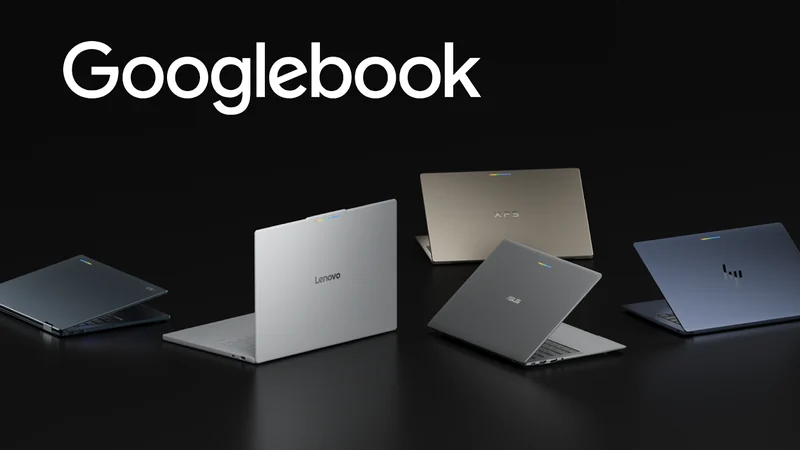
Google Admits Intel Googlebooks Face Android App Issues
Google has waited until the official market release of its new laptop line to clarify that Intel-powered models may experience performance complications with certain Android applications.
 Radwan AbdulhadiEditor and technology writer
Launch Day Admissions Regarding Intel Performance
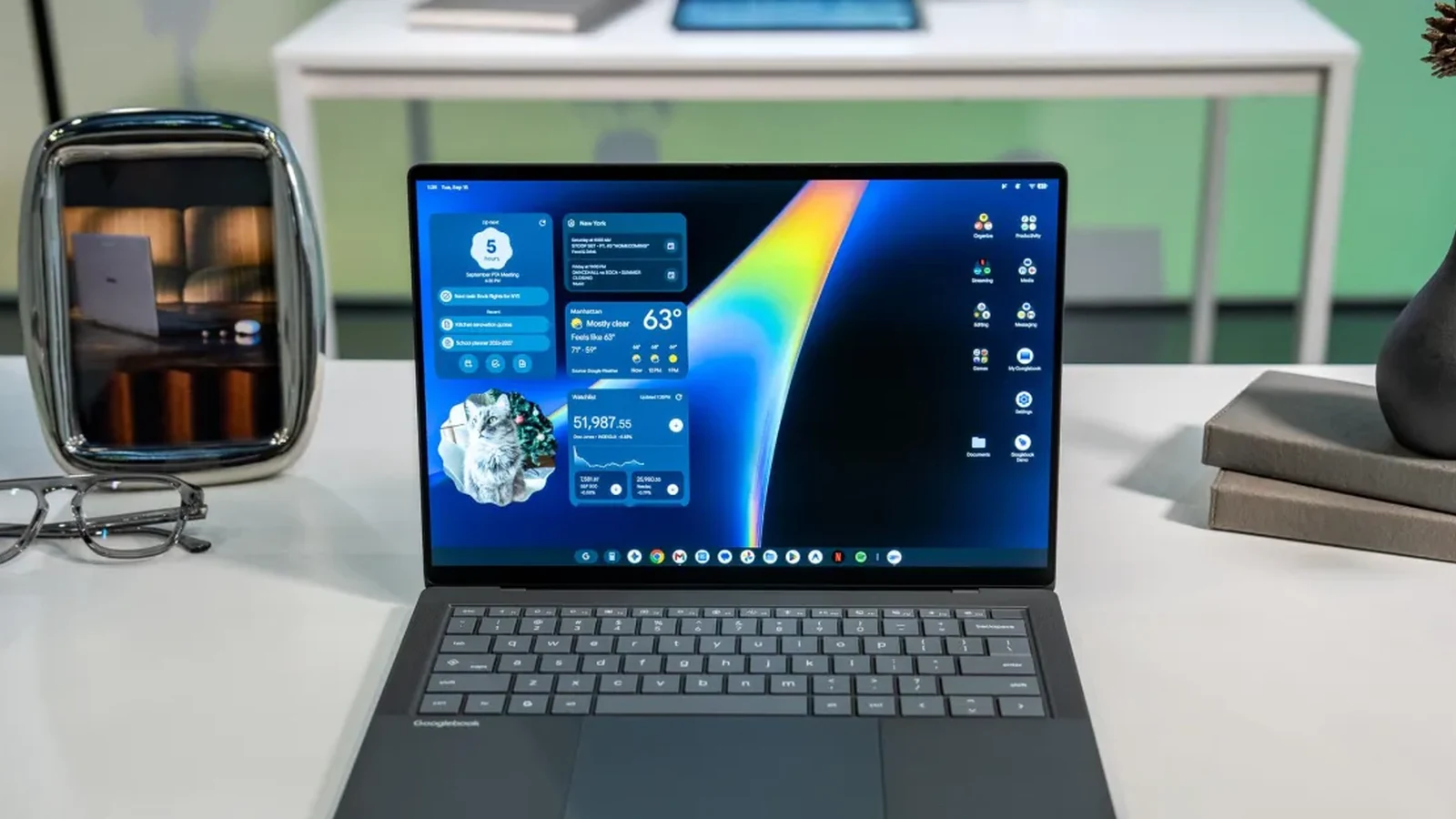
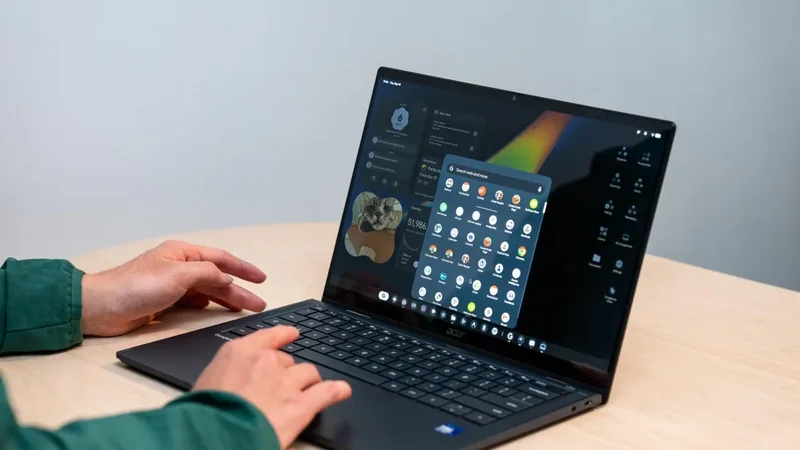
Google has waited until the exact day its new <a href="https://www.theverge.com/tech/997986/google-googlebooks-android-laptops-dell-hp-lenovo-acer-asus-price-specs">Android-based Googlebooks</a> hit the market to admit that Intel-based models may run into performance issues when handling certain Android applications. Prior to this disclosure, Google heavily emphasized that these new laptops would provide owners with unrestricted access to the entire Play Store library, alongside <a href="https://www.theverge.com/tech/998095/googlebook-laptop-android-continue-on-app-cast">clever interactions with Android phones and tablets</a>.
The revelation came to light through a <a href="https://www.androidauthority.com/googlebooks-android-app-support-complicated-3718943/">statement to Android Authority</a>, where the company clarified that while every single application remains downloadable and available on the platform, some programs may not deliver smooth performance across every single hardware configuration offered in the new lineup.
Understanding the Hardware Architecture Divide
According to Google, the vast majority of available Android applications are capable of running smoothly right out of the box across both Intel and Qualcomm hardware platforms. However, the root of the compatibility nuance stems from software design history. Because a significant portion of Android applications was originally engineered with Arm-based processors in mind, a small handful of more complex apps or demanding games require specific developer tuning to achieve peak performance on Intel-based computer architectures.
To address these disparities, Google has indicated that it is actively collaborating hand-in-hand with application developers, alongside silicon manufacturers Intel and Qualcomm. The goal of this collaborative effort is to continuously optimize application performance and broaden compatibility frameworks across the entire portfolio of devices currently entering the consumer market.
Breakdown of the New Laptop Portfolio
The newly debuted hardware ecosystem comprises <a href="https://www.theverge.com/gadgets/997659/googlebooks-breakdown-acer-asus-hp-lenovo-dell">five Googlebook laptops</a> that have officially gone on commercial sale. Among this initial hardware wave, three models manufactured by Acer, Asus, and Lenovo rely entirely on x86 Intel processing chips. These particular devices are the ones subject to the potential performance hurdles outlined by the tech giant regarding complex applications.
Conversely, the remaining hardware options in the launch lineup—specifically the models produced by Dell and HP—operate using Qualcomm’s Arm-based Snapdragon processors. Because of this underlying architectural choice, the Dell and HP variants should theoretically feature greater native compatibility and fewer hurdles when running the full spectrum of Android applications straight away.
Unspecified App Quantities and Ongoing Testing
As of the current market launch, Google has not publicly disclosed the exact number of applications that are expected to experience performance complications, nor has it published a whitelist or blacklist naming specific applications that users might find problematic. Reviewers and consumers alike are navigating the ecosystem as hardware arrives on doorsteps.
Industry observers and testing teams are currently putting all available hardware variations through rigorous evaluations. Comprehensive evaluations of all available models will help map out the exact software behaviors, frame-rate stutters, or compatibility barriers that end users might encounter when utilizing demanding mobile software on traditional x86 computer architectures.
Sources
- The VergeGoogle admits not every Android app runs great on Intel Googlebooks
Continue chronologically


Related entity coverage
Related stories
Google Unveils New Googlebook Laptop Lineup
Google launches a new series of premium laptops featuring a hybrid OS, deep Android integration, and advanced Gemini AI capabilities to rival Mac hardware.
Google Launches Googlebook Laptops for Android Users
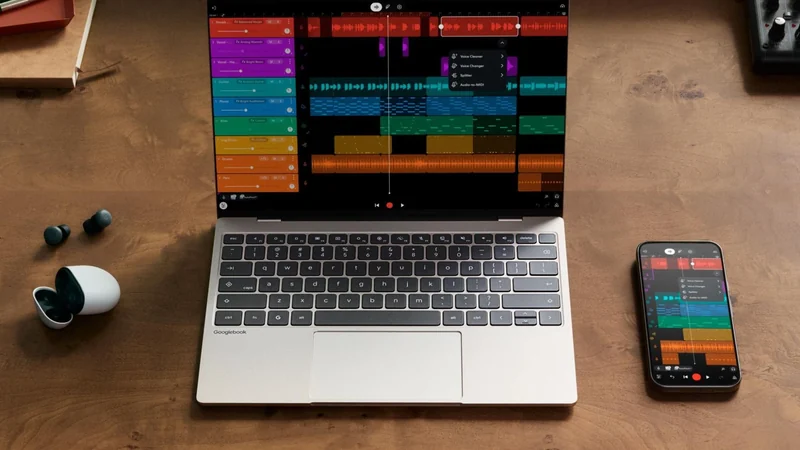
Google has officially unveiled Googlebooks, a new line of laptops designed to provide seamless connectivity and synergy with your Android smartphone.
Google Launches Android-Powered Googlebook Laptop Lineup
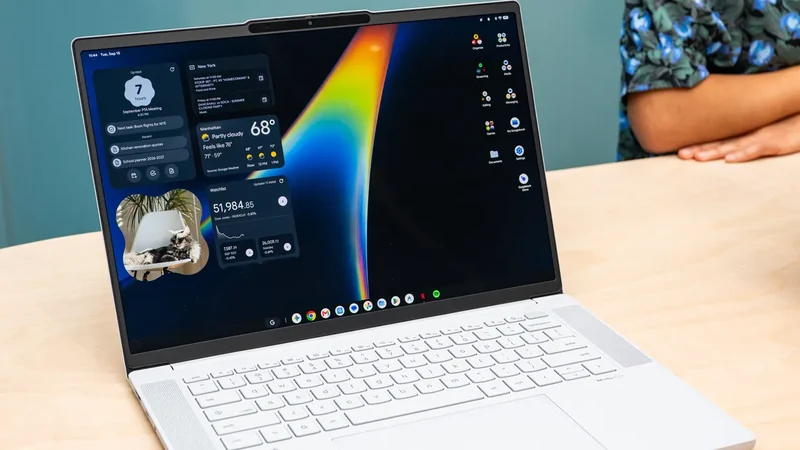
Google is introducing its new line of Android-based Googlebook laptops on October 4th, featuring deep mobile integration and Gemini AI capabilities.
Googlebook Laptops Launch With Android Foundation
Googlebook introduces a new category of laptops built on Android, offering developers opportunities to scale apps with adaptive development.