Why Ethernet Cables Use Twisted Wires Inside
While kinks and tangles usually spell trouble for cords, the internal twists within modern Ethernet cables are intentionally engineered to deliver optimal internet speeds.
 Radwan AbdulhadiEditor and technology writer
The Science Behind Twisted Wires
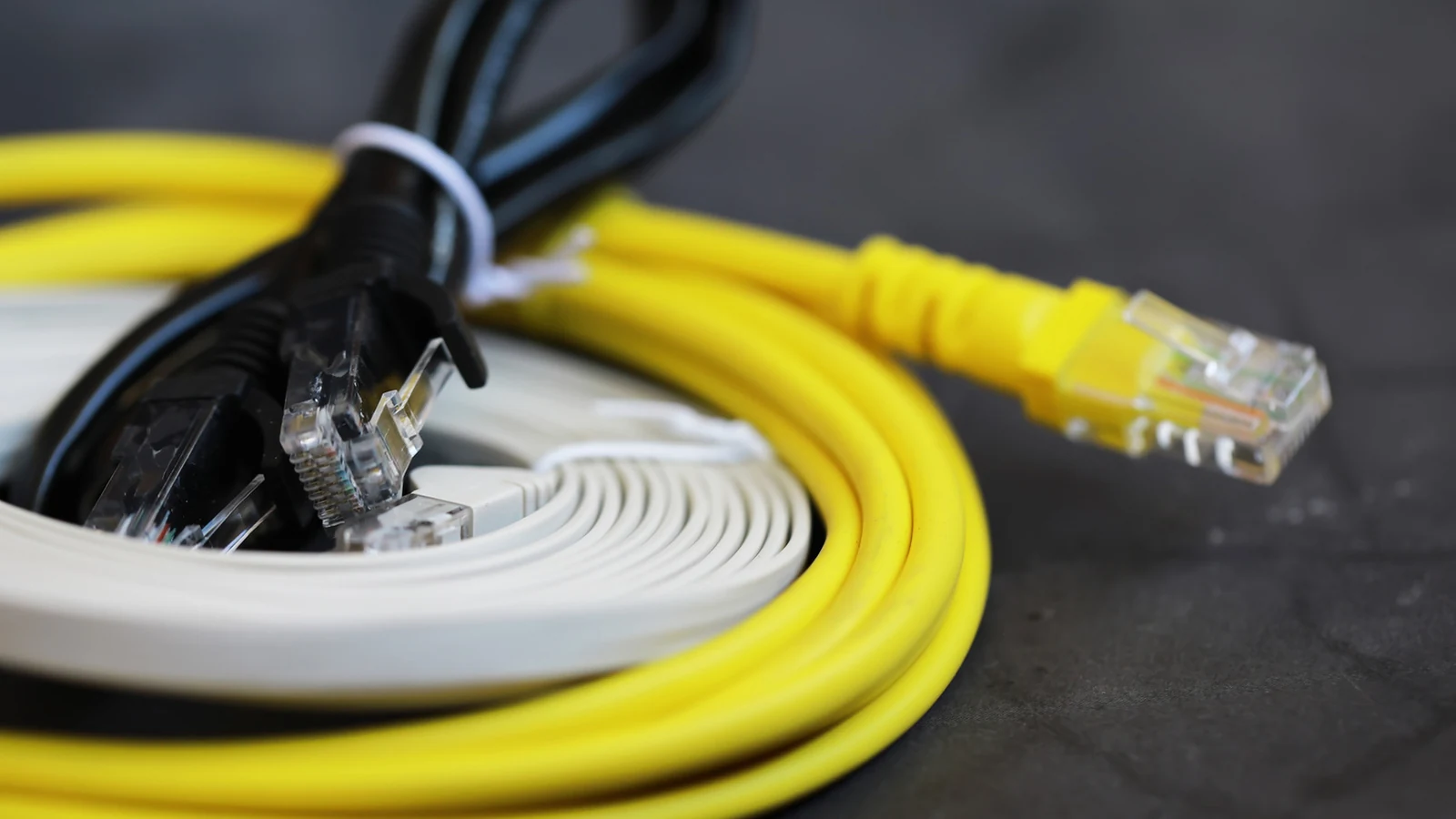
Ordinarily, finding kinks or tangles in a cord is a sign of trouble that can lead to performance issues or complete breakages. However, when looking closely at the [twists on the inside] of the cables that bring internet connections into homes, these arrangements are actually vital for delivering the best possible signal.
The concept of twisted pair wires is far from a modern invention. Historical records credit the technology to Alexander Graham Bell, with its usage dating back to the 1880s for early telephone lines in the United States. Decades later, this same fundamental concept has become the established industry standard for Ethernet cables.
Combatting Electromagnetic Interference
The primary benefit of utilizing a twist in any communications cabling comes down to basic physics and [Electromagnetism]. When electrical charges travel along a thin metal strand, they naturally generate a magnetic field around the wire.
If two separate wires are positioned directly beside each other in parallel, the magnetic field produced by one can impede the movement of electricity on the other, resulting in a slower-moving signal. By twisting the wires together, an opposing magnetic field is introduced to cancel out these potential impediments, allowing electric signals to travel at their peak speeds by minimizing interference.
Anatomy of Modern Ethernet Cables
Most contemporary Ethernet cables comprise four distinct twisted pairs of copper wires. Depending on the volume of data being transmitted, not all pairs remain active at any given moment. Nevertheless, when delivering higher standards like gigabit internet, all four pairs function simultaneously.
While many cables feature an outer foil coating around the bundled wires to insulate signals from external disruption, using twisted pairs specifically prevents individual internal wires from interfering with one another. This specific type of internal disruption, where wires within the same bundle interrupt each other, is referred to as cross-talk.
Varying Twist Rates to Prevent Cross-Talk
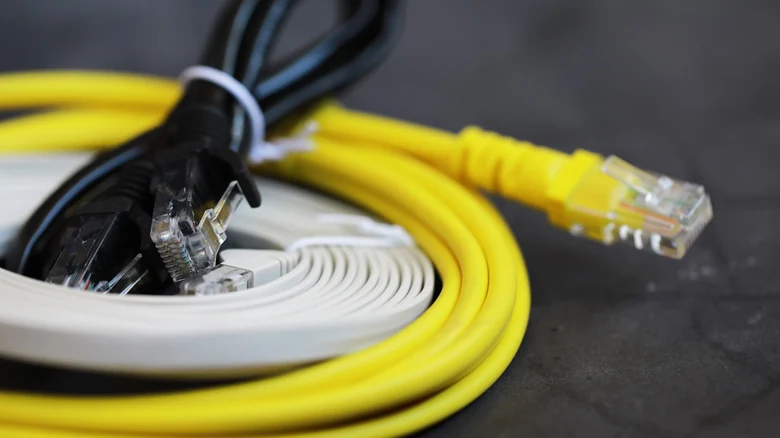
The principles of electromagnetism also explain why each of the four pairs within a standard cable is twisted together at a different rate. Introducing variations in how tight the twists are ensures that the magnetic field generated by one duo does not trigger new interference problems for neighboring pairs.
If all the pairs were twisted in an identical manner, side-by-side pairs could easily suffer from the exact same performance bottlenecks that affect individual parallel wires.
Standard Technology in Everyday Networking
Because twisted pair wires serve as the baseline standard for virtually all contemporary technology cables, consumers do not need to hunt for specialized features when purchasing replacement Ethernet lines for home networks. Detailed insights and reports on these hardware mechanics are frequently covered across tech publications, including recent reporting featured on [Engadget], which breaks down the engineering behind everyday connectivity infrastructure.
Ultimately, while the inner mechanics remain largely hidden from view, understanding the deliberate science behind twisted pair cabling provides a clearer picture of the engineering that maintains stable daily internet access.
Sources
- EngadgetWhy the wires in your ethernet cables are twisted
Continue chronologically

Related stories
Why Flat Ethernet Cables Might Harm Home Networks
Explore the performance tradeoffs, signal interference risks, and physical durability issues of flat Ethernet cables compared to traditional round ones.
Ethernet Cables Can Do Much More Than Just Connect to a Router
Discover how category cables can transmit video, audio, and power when paired with the right adapters, offering more than just home internet.
Do Gaming Routers Really Make a Difference for Network Lag?
An analysis of gaming routers explores whether premium hardware, traffic management, and specialized designs truly improve network performance.
Why Joining Two Ethernet Cables Can Cause Network Issues
Discover why joining two Ethernet cables with a coupler can cause network dropouts and learn better alternatives like switches or longer cords.