Why Flat Ethernet Cables Might Harm Home Networks
While flat Ethernet cables offer a sleek aesthetic and easy concealment, they often introduce performance tradeoffs that make traditional round cables superior for home networking.
 Radwan AbdulhadiEditor and technology writer
The Aesthetic Appeal and Hidden Tradeoffs
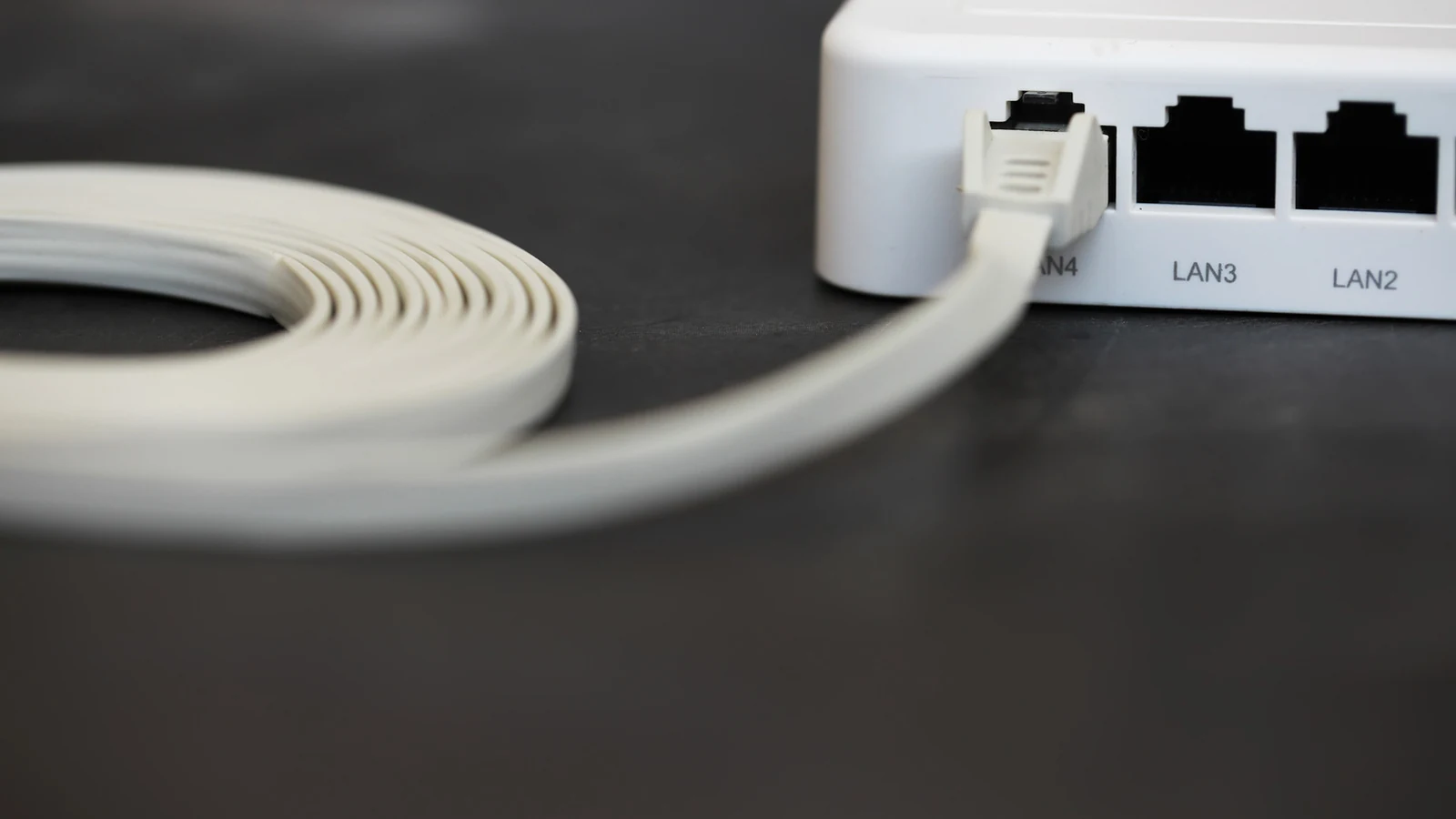
Unless you are relying entirely on Wi-Fi, managing a home internet setup often means wrangling a mess of wires. In recent years, flat Ethernet cables have grown popular because they are easy to bend and hide from sight, allowing users to wire a home without creating an eyesore.
However, swapping out chunky old hardware for aesthetic flat alternatives introduces several hidden technical tradeoffs. Under perfect conditions, round and flat cables rated for the same speed perform nearly identically, but real-world complications frequently favor round designs.
Internal Interference and Wire Design
Standard Ethernet cables consist of multiple sets of wires twisted into pairs, which are then twisted around each other. This twisting prevents signals in one wire pair from interfering with others, protecting against slow internet speeds and unstable connections. Flat cables still use twisted pairs, but laying them out in a straight line makes them far more susceptible to mutual interference. Furthermore, many round cables feature additional shielding against outside device interference that flat cables typically lack.
Gauge Thickness and Signal Degradation
Another major challenge stems from the thickness, or gauge, of the internal wires. To keep flat cables as thin as possible, manufacturers use thinner gauge wire than what is typically found in round alternatives. Increased thinness creates higher electrical resistance for traveling electricity, meaning flat configurations can actively degrade signals over extended distances.
Physical Durability and Real-World Usage
The physical way people use flat cables often precipitates failure. Bending around tight corners, running underneath doors, or compressing beneath rugs stresses the internal wires. Because flat cables use thinner wires and lack the structural cushioning provided by a round shape, they are significantly more fragile and prone to breaking under everyday physical strain.
When Flat Cables Still Make Sense
Despite these drawbacks, flat Ethernet cables are not completely useless and fit specific home scenarios. Renters who cannot make permanent structural modifications may find flat options vital for routing connections through tight spaces or under doors where round cables simply cannot fit. They can also minimize visual clutter under rugs when avoiding visible wire nests in an office.
Choosing the Right Cable for Your Setup
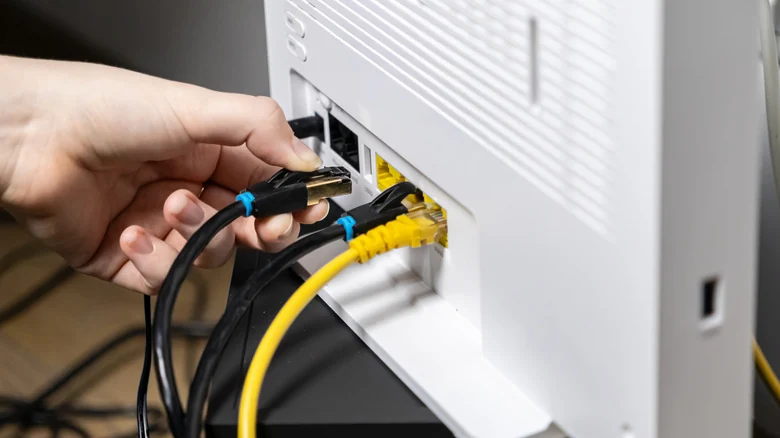
Users requiring the fastest, most reliable connection should almost always choose round Ethernet cables. When maximum performance is not strictly necessary, flat cables remain functional over short distances where extensive bending is unneeded, provided users respect their technical limitations regarding length and interference.
Sources
- EngadgetFlat Ethernet cables probably aren't the answer to your home networking problem
Continue chronologically


Related stories
Why Ethernet Cables Use Twisted Wires Inside
Explore the science and history behind twisted pair wires in modern Ethernet cables, from Alexander Graham Bell to reducing electromagnetic interference.
Why Wi-Fi Speeds Drop in the Evening and How to Fix Them
Discover why your internet slows down in the evening due to network congestion and Wi-Fi interference, plus practical steps to fix the issue.
Ethernet Cables Can Do Much More Than Just Connect to a Router
Discover how category cables can transmit video, audio, and power when paired with the right adapters, offering more than just home internet.

Do Gaming Routers Really Make a Difference for Network Lag?
An analysis of gaming routers explores whether premium hardware, traffic management, and specialized designs truly improve network performance.