Why Your Electric Vehicle Battery Loses Charge While Parked
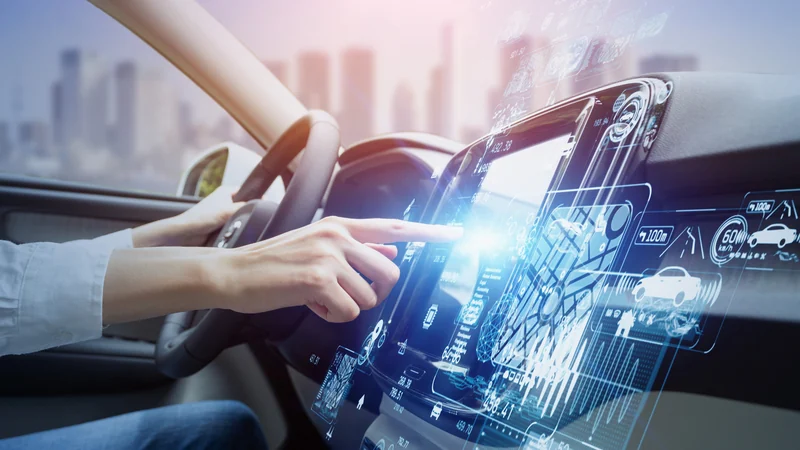
Electric vehicles can steadily lose battery percentage while left unused and parked for long periods due to continuous system checks and background features.
 Radwan AbdulhadiEditor and technology writer
Background Energy Loss and Self-Discharge
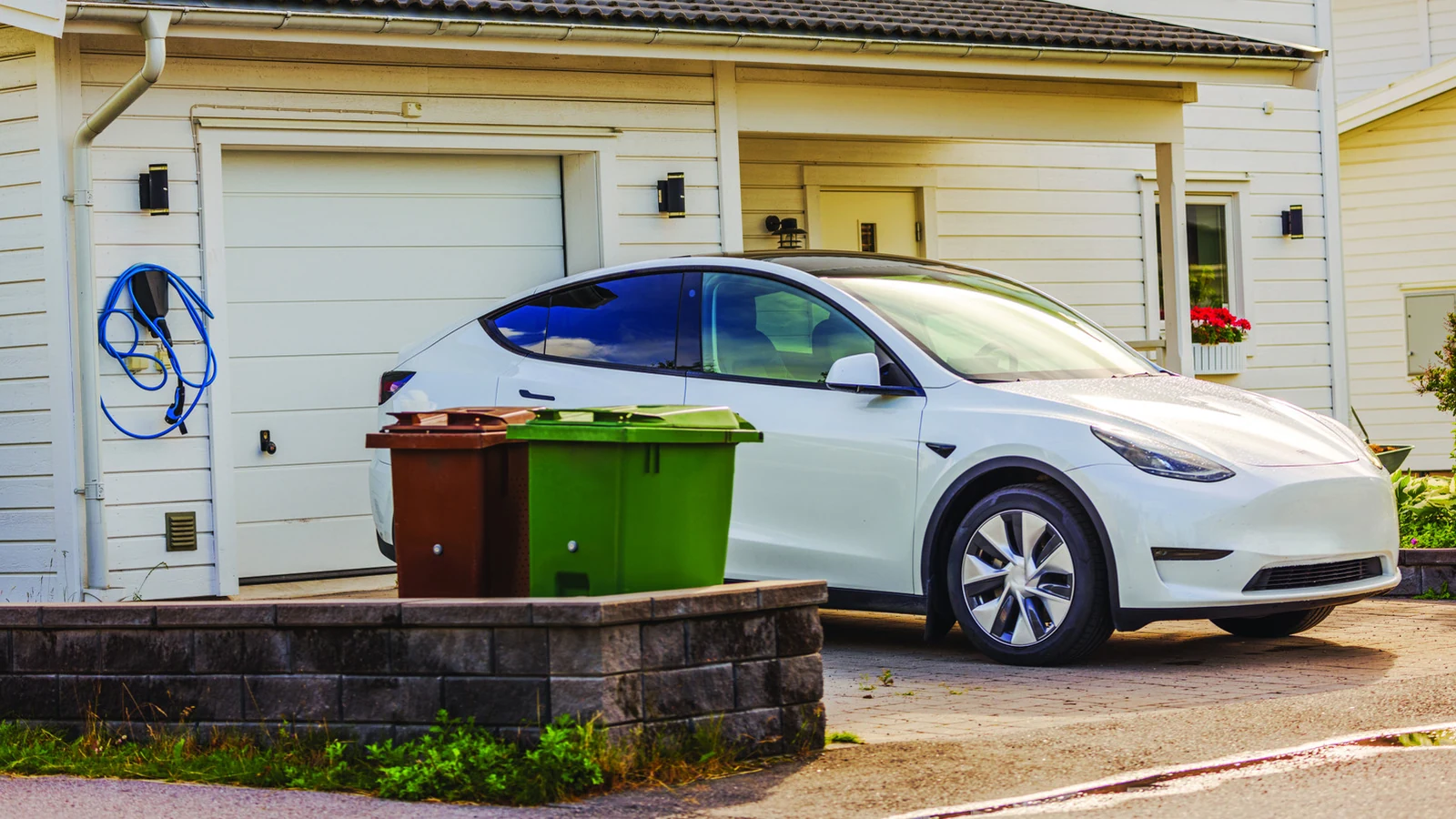
Electric vehicles do not truly sleep the moment you lock the doors. While lithium-ion cells can experience a natural, negligible loss of charge over time through electrolyte oxidation and reduction, the larger portion of energy drain comes from systems that remain active after the vehicle is locked. Although a weekend parked in a driveway or at an airport will hardly make a dent, leaving an electric vehicle unplugged for a couple of weeks allows those smaller background losses to accumulate significantly.
For a broader look at power consumption, readers can explore details regarding what drains an EV battery while driving, which differs notably from passive standby loss.
Active Systems and Battery Maintenance
A locked vehicle keeps several core electrical circuits running behind the scenes. The battery management system periodically checks battery conditions to maintain optimal health, and the high-voltage battery must occasionally recharge the smaller low-voltage batteries responsible for powering locks, onboard computers, and other electronics.
Automakers have documented these behaviors in detail. Tesla notes that its Model 3 routinely performs these vital system checks and battery maintenance while parked. Similarly, Rivian confirms that its R1T uses the high-voltage battery pack to maintain its 12V battery during periods of inactivity.
Convenience Technology and Third-Party Apps
Beyond routine vehicle upkeep, convenience technologies contribute heavily to standby energy consumption. Connected services allow owners to check vehicle status, initiate climate control, or prepare the cabin temperature before stepping inside. Tesla explicitly cites app requests, climate functions, and infotainment systems as notable sources of power consumption while a car is parked.
Furthermore, third-party smartphone apps that repeatedly wake a sleeping vehicle can increase the overall battery drain. Leaving cabin cooling enabled during intense summer weather also consumes substantial energy. By contrast, alternative designs like Slate's barebones electric pickup might theoretically experience less standby drain due to fewer connected features running while parked, though its actual battery performance in everyday scenarios remains to be tested.
Surveillance Features and Cold Weather Impact
Optional safety features can have the most substantial impact on a parked EV's battery levels. Tesla's Sentry Mode employs exterior cameras and sensors to monitor suspicious activity around the vehicle, and Rivian's Gear Guard Motion Cam captures surroundings in parking lots. While these tools provide valuable security, maintaining an electronic lookout requires continuous electrical power.
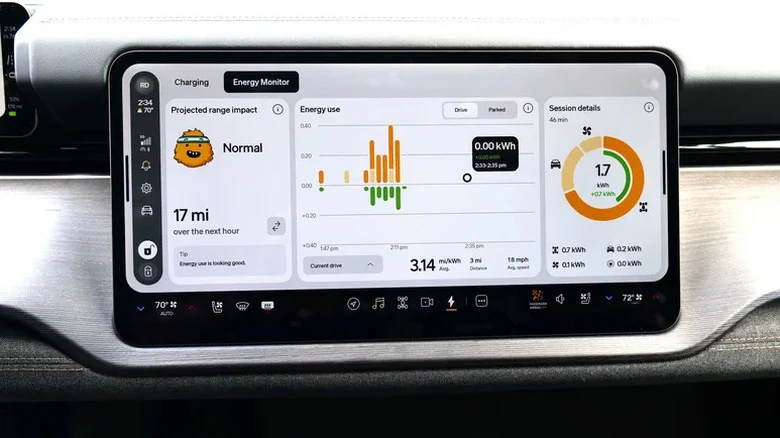
Cold weather further complicates parking range estimates. Battery temperature fluctuations can cause range estimates to drop even when the vehicle has not consumed an equivalent amount of electrical energy. Model 3 owners can navigate to the Energy app's Park tab to monitor exact energy consumption while parked rather than relying solely on fluctuating range estimates.
Expected Drain and Storage Recommendations
How much charge can an owner expect to lose? Tesla's Model 3 manual states that the battery can lose approximately 1 percent of its charge per day depending on surrounding conditions and active settings. Meanwhile, industry analysis from Recurrent reports that sleeping Teslas might lose only 0.1 to 0.3 percent daily, whereas vehicles running heavy surveillance and convenience features can lose several percent a day.
Battery capacity also changes how noticeable this drain appears. A fixed energy loss of 0.5kWh represents roughly 1.2 percent of a 42kWh battery, but only 0.6 percent of an 80kWh pack, making standby drain far more visible on smaller city electric vehicles.
For drivers leaving a car unattended for an extended period, turning off unnecessary surveillance and climate settings, restricting apps that constantly wake the vehicle, and keeping the car plugged in when possible are recommended steps. Tesla specifically advises keeping the Model 3 plugged in during long-term storage and maintaining roughly a 50 percent state of charge.
Sources
- EngadgetWhy your EV battery still loses charge while it's parked
Continue chronologically

Related stories
Rivian Startup Mind Robotics Hires Former Ford EV Chief
Former Ford EV and Tesla executive Doug Field has been named president of Mind Robotics, Rivian CEO RJ Scaringe's industrial automation startup.

Rivian Spinoff Mind Robotics Appoints Doug Field as President
Mind Robotics, the industrial AI and robotics startup founded by Rivian CEO RJ Scaringe, has named former Ford EV chief Doug Field as its president.

Why Certain iPhone Apps Fail to Appear in Apple CarPlay
Explore why many iPhone apps do not appear on Apple CarPlay dashboards, examining strict developer guidelines, app categories, and limitations.
Study Finds New Cars and Apps Share Data With Third Parties
A new study reveals that many modern connected vehicles and automaker apps transmit sensitive driver data to advertisers and data brokers.