How the Slate EV Gets Over-the-Air Software Updates
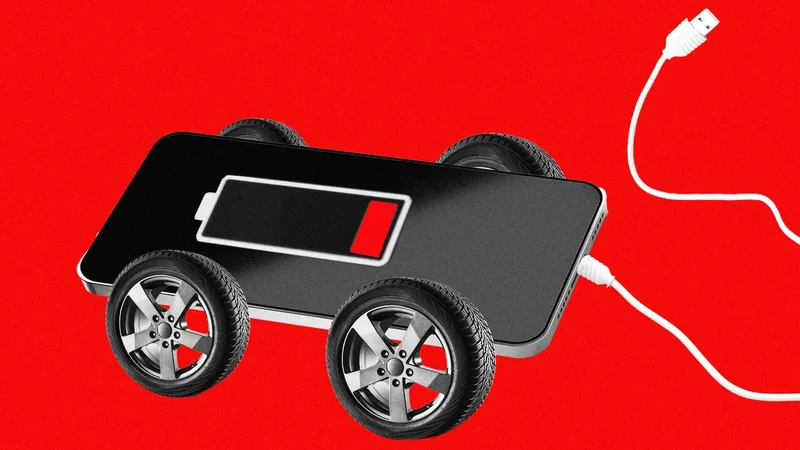
The minimalist Slate electric truck achieves over-the-air software updates by relying on the user's personal device rather than a built-in cellular connection.
 Radwan AbdulhadiEditor and technology writer

Minimalist Design and Connectivity
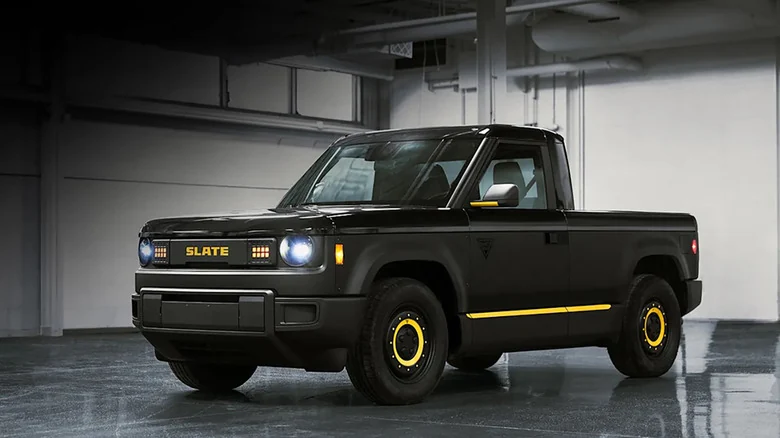
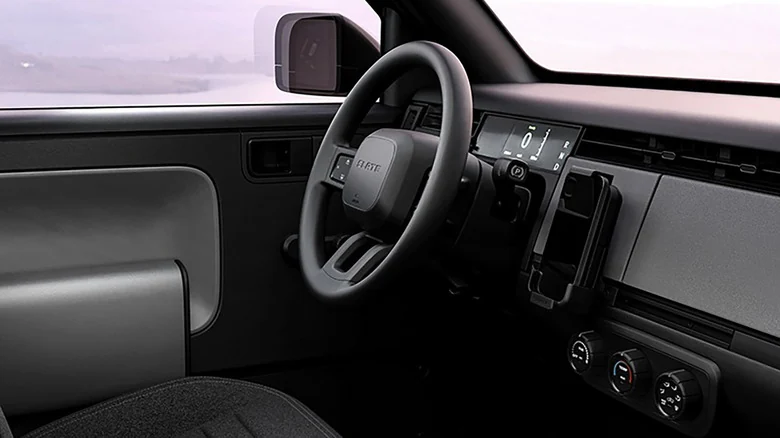
The Slate truck takes a radical approach to automotive minimalism by omitting not only an infotainment system, but also a radio, speakers, power windows, and even a standard paint job, opting instead for a vinyl finish. Because the base version of the electric vehicle lacks built-in cellular connectivity, keeping the vehicle updated required an alternative workaround.
This stripped-down philosophy is the core of Slate Auto's business model. By cutting out everything unrelated directly to driving and safety, the company achieves a sub-$25,000 entry price point. However, the company is also prepared to sell you a long list of add-ons to fill in those missing features.
How Over-the-Air Updates Work Without Cellular Tech
Typically, over-the-air software updates rely on dedicated cellular or Wi-Fi hardware built into the vehicle. Without this hardware, the Slate truck requires the user's personal device to bridge the gap. The process is managed entirely through the Slate app running on the owner's smartphone.
When a software update becomes available, the Slate app downloads the necessary files directly onto the phone. The user then plugs their phone into the vehicle's dashboard USB port and waits for the initial file transfer to complete, a step that takes approximately one minute. Once the file transfer is finished, the truck completes the installation process independently over the course of about 45 minutes.
According to the company, these software updates are designed to handle bug fixes and minor improvements rather than introducing flashy new features after purchase. The accompanying mobile app also assists with everyday tasks, such as checking vehicle range, locating chargers, and forwarding navigation directions to mapping services like Google Maps, Apple Maps, or Waze.
Vehicle Specifications and Market Positioning
The Slate electric vehicle features an estimated range of 205 miles, a maximum payload capacity of 1,550 pounds, and a tow rating of 2,000 pounds. Because it is engineered primarily for short-run hauling and daily errands rather than long-distance road trips, it occupies a distinct space compared to other electric trucks on the market.
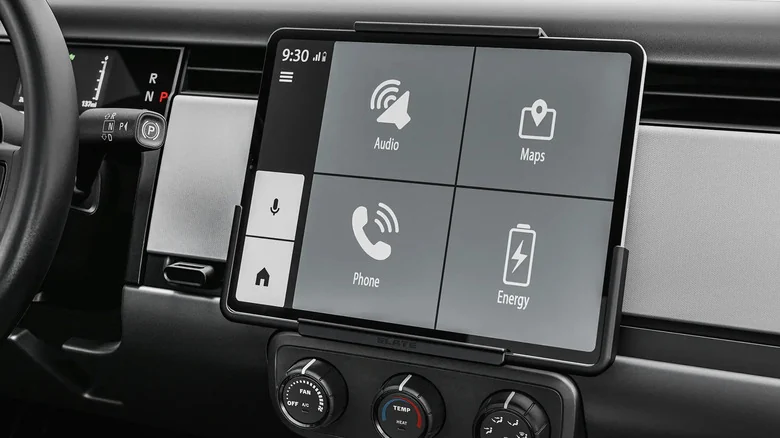
While optional accessories like speakers, an iPad mount to mimic traditional infotainment, a five-seat SUV conversion kit, and a telematics module can push a fully loaded configuration past $45,000, Slate is betting that budget-conscious buyers will appreciate the affordable baseline.
Privacy Considerations and Data Policies
A vehicle that avoids constantly connecting back to the manufacturer may appeal to drivers who are exhausted by the ongoing techification of modern consumer goods. To further appeal to privacy-conscious consumers, the company says that it will never track users and promises not to sell app data, limiting its data collection strictly to necessary diagnostics, service records, and update statuses.
This privacy-focused stance could resonate with drivers following industry controversies, such as the GM data selling debacle that prompted regulatory scrutiny. Whether a large enough market exists for an electric pickup that scales back on standard modern conveniences remains to be seen, but the update mechanism ensures that the vehicle's software will remain current for those who choose to buy in.
Sources
- EngadgetHere's how the Slate truck gets software updates without built-in infotainment
Continue chronologically

Related stories
Why Are Some Locations Blurred Out on Google Maps?
Explore why Google Maps blurs certain locations on Street View for security and privacy, and learn how you can request blurring for your home.

Discovering Waze's Best Hidden Features and Tools
Explore the hidden features, secret search codes, and customizable options tucked away inside Google's crowdsourced real-time navigation app.

Why Your Electric Vehicle Battery Loses Charge While Parked
Discover why electric vehicle batteries lose charge while parked, from system checks and connected services to cold weather and surveillance features.
How to Keep Your Phone Cool While Using CarPlay and Android Auto
Discover practical tips to prevent your iPhone or Android device from overheating while connected to CarPlay or Android Auto during drives.