
NHTSA and SAE Partner to Establish AV Safety Standards
Federal regulators and industry leaders are collaborating on the ASCEND initiative to move beyond the current patchwork of safety requirements for autonomous vehicles.
 Radwan AbdulhadiEditor and technology writer
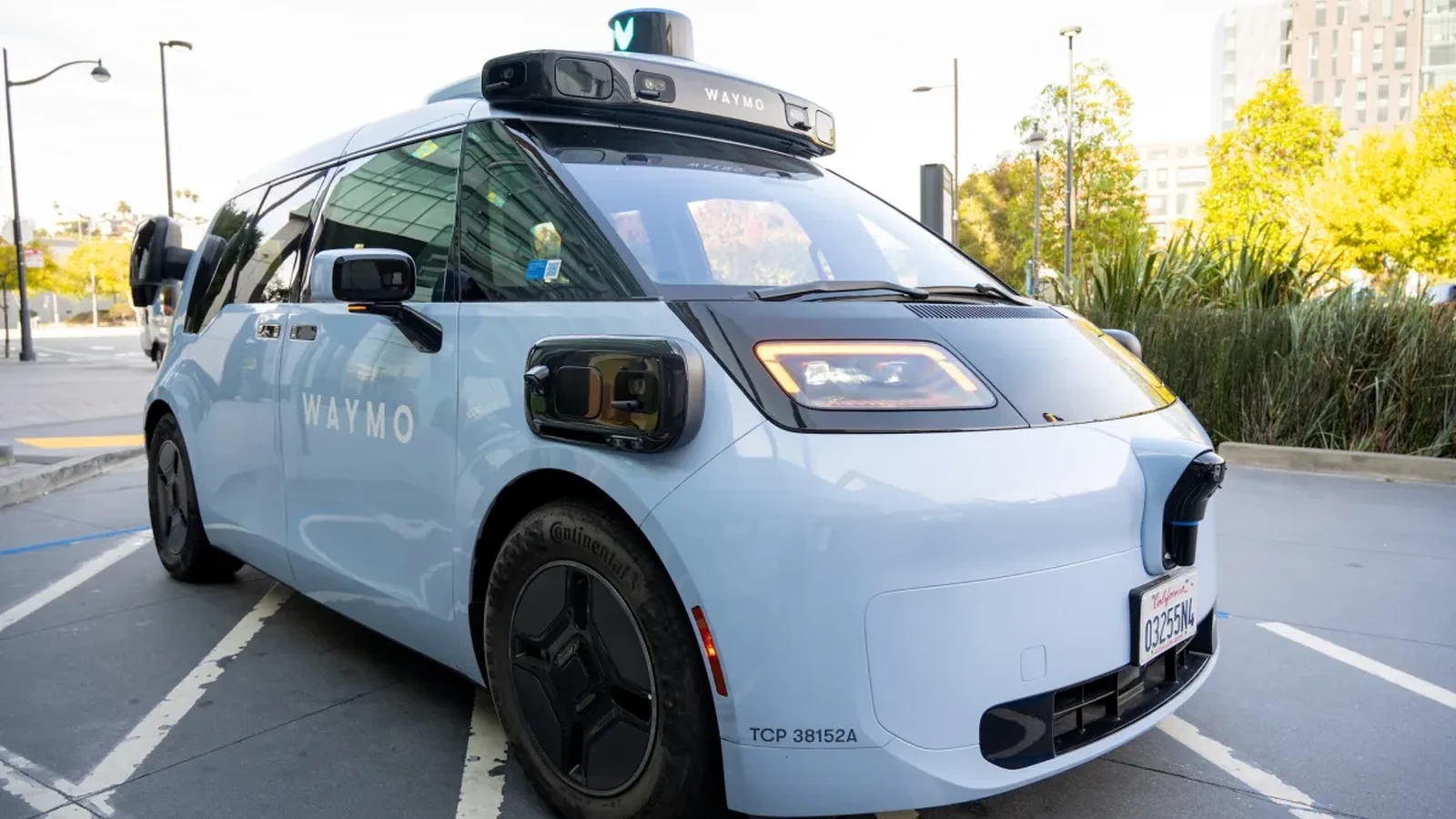
Defining Safety for Autonomous Vehicles
The transition toward self-driving technology has introduced significant regulatory challenges, particularly regarding the determination of when these systems are safe for public roads. Currently, the responsibility for assessing safety largely rests on the companies developing technologies for trucks, robotaxis, and potential passenger vehicles. As discussed in [TechCrunch](https://techcrunch.com/2026/09/20/techcrunch-mobility-how-do-we-know-when-an-av-is-safe-enough/), there is no standardized test to evaluate how automated driving systems perform in real-world conditions, creating a stark contrast with the rigorous licensing requirements expected of human drivers.
The ASCEND Initiative
To address the need for federal guidance, the National Highway Traffic Safety Administration (NHTSA) is developing an automated vehicle framework. Administrator Jonathan Morrison recently emphasized that the agency aims to avoid reactive policy-making. To accelerate this progress, the agency has partnered with SAE to launch ASCEND, an initiative focused on creating data-driven performance standards for Automated Driving Systems (ADS). The goal is to provide federal leadership and resolve the current inconsistencies found in state and local regulations.
Market Shifts in Autonomous Mobility
The autonomous sector continues to see major financial and structural shifts. Most notably, May Mobility has announced its intention [to go public](https://techcrunch.com/2026/09/16/may-mobility-is-going-public-in-a-1-4b-spac-deal/) via a merger with ACP Holdings Acquisition Corp. This move is expected to raise over $300 million at a $1.4 billion valuation. Meanwhile, in the shuttle sector, Beep has [merged](https://ridebeep.com/press-releases/beep-and-freebee-combine-to-create-the-essential-transit-partner-for-modern-mobility) with on-demand transit provider Freebee to expand their footprint as a combined mobility partner.
Broader Technology and Infrastructure Developments
Beyond ground vehicles, the aviation sector is making strides in autonomy. Joby Aviation recently completed a 3,100-mile cross-country journey [without a human pilot](https://techcrunch.com/2026/09/18/joby-aviations-3100-mile-autonomous-flight-signals-its-push-beyond-electric-air-taxis/) at the helm, proving the potential for long-distance remote operation. Infrastructure security remains a high priority, following an incident where the FBI and Coast Guard intervened after hackers reportedly [took control](https://techcrunch.com/2026/09/18/fbi-coast-guard-boarded-hacked-oil-tankers-heading-towards-us-coast/) of the navigation and cargo systems of oil tankers. Additionally, data security concerns remain prevalent, as evidenced by a recent breach that exposed [hundreds of thousands of files](https://techcrunch.com/2026/09/16/hackers-publish-thousands-of-drivers-data-after-breaching-florida-motor-vehicle-database/) containing driver information from a Florida state database.
Strategic Partnerships and Software Evolution
Automotive manufacturers are also focusing on internal software and external partnerships. Lucid Motors has [struck a partnership](https://techcrunch.com/2026/09/17/lucid-motors-has-a-potential-robotaxi-partner-for-europe/) with Bolt to deploy 25,000 autonomous vehicles in Europe using the EV maker's new midsize architecture. Simultaneously, GM is refining the digital experience for its full-size trucks by introducing a [new user interface](https://www.theverge.com/transportation/994875/gm-chevy-gmc-truck-software-ui-carplay-android-auto) that enhances connectivity for drivers through advanced displays.
Sources
- TechCrunchTechCrunch Mobility: How do we know when an AV is safe enough?