How EV Battery Cooling Systems Work to Prevent Degradation
Modern electric vehicles rely on sophisticated thermal management systems to keep large battery packs cool under heavy loads and warm up efficiently in freezing conditions.
 Radwan AbdulhadiEditor and technology writer
The Role of Thermal Management Systems
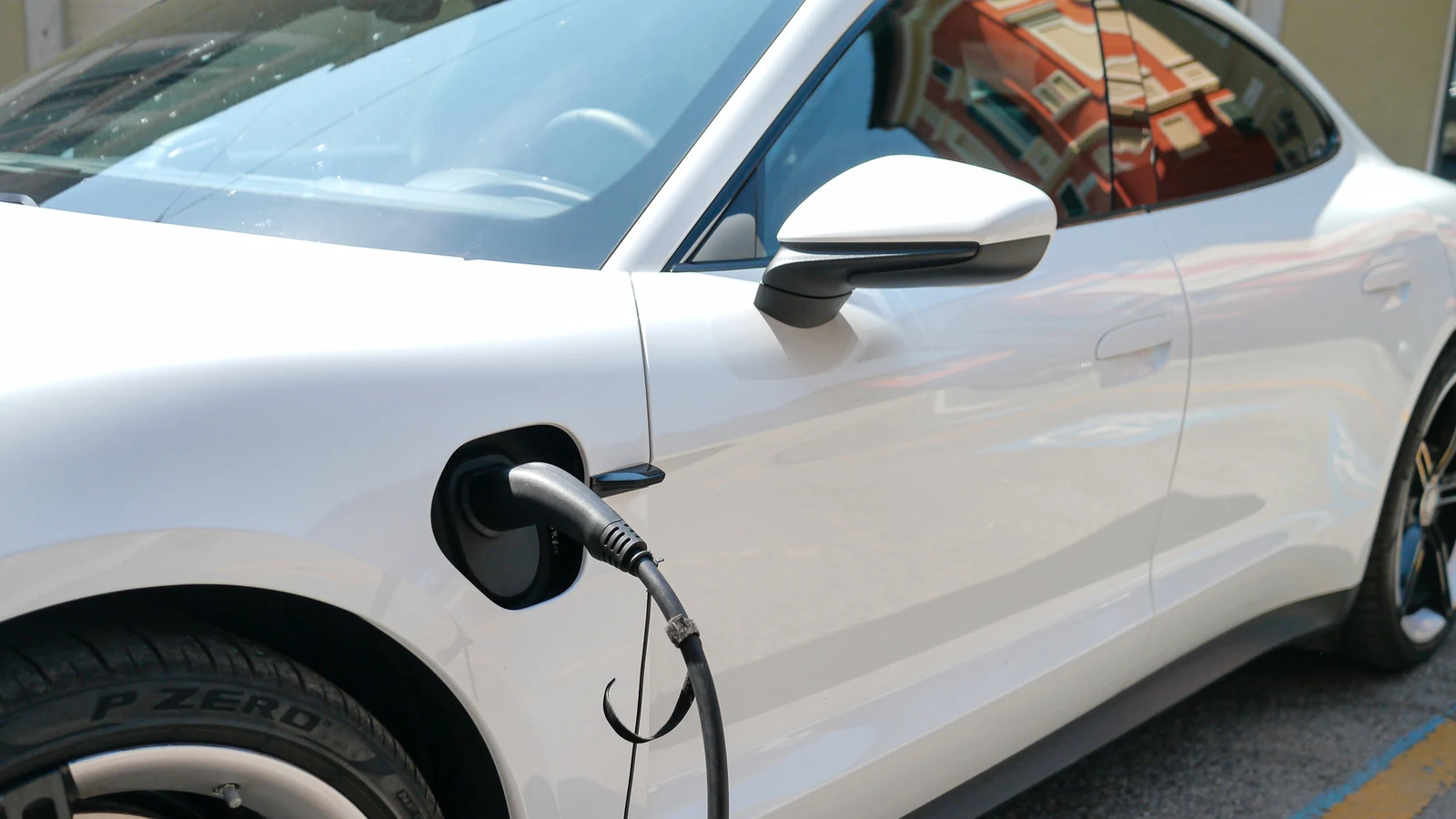
Electric cars require exceptionally large battery packs that deliver long driving ranges and rapid charging speeds while remaining cool under heavy loads. Achieving this delicate balance involves an intricate thermal management system built into most modern vehicles. When drivers navigate to a fast charging station, many EVs automatically prepare the battery ahead of time. Tesla's vehicle manuals advise owners to initiate this warm-up routine 30 to 45 minutes prior to arrival, while Porsche warns that skipping the preparation can result in lower charging power.
Alongside this warm-up routine operates a cooling loop. This system typically uses liquid coolant pumped through tubes or metal plates pressed against the battery cells to collect excess heat and carry it toward a radiator or the vehicle's air conditioning system. A battery's coolant loop is generally linked to a radiator for light loads, while heavier methods—such as fast charging—rely on a heat exchanger connected to the air conditioning.
Degradation Factors and Fast Charging Heat
Managing heat is crucial for preserving long-term battery health. A fleet management study by Geotab that tracked more than 22,700 EVs found that batteries lost an average of 2.3 percent of their health annually. Vehicles operated in hot climates suffered roughly 0.4 percentage points more degradation each year compared to those in mild environments. Furthermore, cars that frequently utilized fast chargers exceeding 100 kW experienced a 3 percent annual loss, contrasted with 1.5 percent for vehicles that rarely used high-powered chargers.
Even with these losses, broader research indicates that EV batteries can last much longer than experts first predicted, maintaining roughly 77 percent capacity after a decade of average use. However, fast charging pushes 300 amps or more through the battery pack, generating substantial waste heat that must be extracted quickly. A 2021 review published in the journal Energies noted that a temperature difference of more than 5 degrees Celsius across a cell can accelerate aging by 25 percent, highlighting the necessity for cooling systems to keep the entire pack balanced and regulated.
Cold Weather Challenges and Lithium Plating
Temperature extremes present challenges at both ends of the scale. In cold conditions, internal resistance within the battery climbs significantly. Fast charging a cold battery can lead to lithium plating—a buildup of metallic lithium on the cell electrodes that worsens as temperatures drop. Data from Recurrent, which monitored over 30,000 US EVs, showed that batteries averaged 78 percent of their ideal range in freezing temperatures and dropped to around 70 percent at -7 degrees Celsius. Cabin heating is responsible for approximately two-thirds of the additional energy an electric vehicle consumes during cold weather.
Evolution From Air Cooling to Liquid Systems
Early electric vehicles approached thermal management differently. The original Nissan Leaf launched in 2010 utilized passive air cooling for its 24 kWh battery pack, whereas competitors like Tesla, GM, and Ford employed liquid systems. Owners in Phoenix tested 2011 and 2012 model-year vehicles and observed range losses. As noted by MIT Technology Review in 2012, Nissan reported that this issue affected fewer than 0.3 percent of US models.
Reflecting industry shifts, the third-generation Leaf unveiled by Nissan transitioned to a liquid-cooled 75 kWh battery pack. According to research published in Energies, liquid cooling requires two to three times less energy than air cooling to maintain a pack at a consistent temperature, prompting the vast majority of modern EVs to adopt liquid-based thermal solutions.
Alternative Approaches: Refrigerant and Immersion Cooling
Some automakers have experimented with alternative cooling configurations. Engineers developing the BMW i3 bypassed the traditional coolant loop entirely, running refrigerant directly from the vehicle's air conditioning system to the battery. British manufacturer McLaren took an even more radical approach with the Speedtail by submerging its battery cells in an electrically insulated oil, marking a noted production road car first. Simulations referenced in the Energies review demonstrated that immersion cooling can transfer heat up to three times more effectively than standard cooling plates.
Advanced Engineering in Modern Thermal Layouts
Automakers continue to refine how thermal energy is routed throughout the vehicle. Nissan's thermal management system switches between modes and routes heat from the charger into the battery during home charging to warm the pack. In Tesla vehicles, an engineering teardown highlighted by Jalopnik revealed a specialized valve known as the "Octovalve," which manages coolant flow between the motors, battery, and electronics. Tesla has also explored patent concepts involving intentionally running drive motors inefficiently to utilize waste heat for battery warming.
Similarly, General Motors highlights its Ultium heat pump system, which harvests waste heat from the battery, power electronics, and passengers to warm the cabin and increase driving range by approximately 10 percent. These sophisticated management strategies are increasingly vital, especially as regulatory bodies introduce stricter safety frameworks. China, for instance, has introduced regulations requiring new electric vehicles to prove their batteries will not catch fire or explode during a thermal runaway event—a safety milestone heavily dependent on effective pack cooling and insulation.
Sources
- EngadgetWhat kind of cooling system do EV batteries use and how does it work?
Continue chronologically


Related stories
Why Your Electric Vehicle Battery Loses Charge While Parked
Discover why electric vehicle batteries lose charge while parked, from system checks and connected services to cold weather and surveillance features.
Tesla Revives Roadster With Decades-Old Stunt Technology
Tesla is once again trying to bring back the Roadster, leaning on decades-old stunt technology and bold performance claims amid wider financial challenges.
Tesla Roadster Flying Stunt Highlights Prototype Reality
Tesla's recent demonstration of a flying Roadster showcased impressive engineering and cold-gas thrusters, but the vehicle is not approved for public road use.
Tesla Cancels Cybertruck Releases in Australia and New Zealand
Tesla informs customers that it has discontinued plans to release the Cybertruck in Australia and New Zealand, offering deposit refunds and incentives.