Android Automotive vs. Google Built-In: The Key Differences
As car manufacturers move away from traditional phone mirroring systems, understanding the foundational differences between Android Automotive and Google Built-in is becoming essential for modern drivers.
 Radwan AbdulhadiEditor and technology writer
The Shift Toward Native In-Car Systems
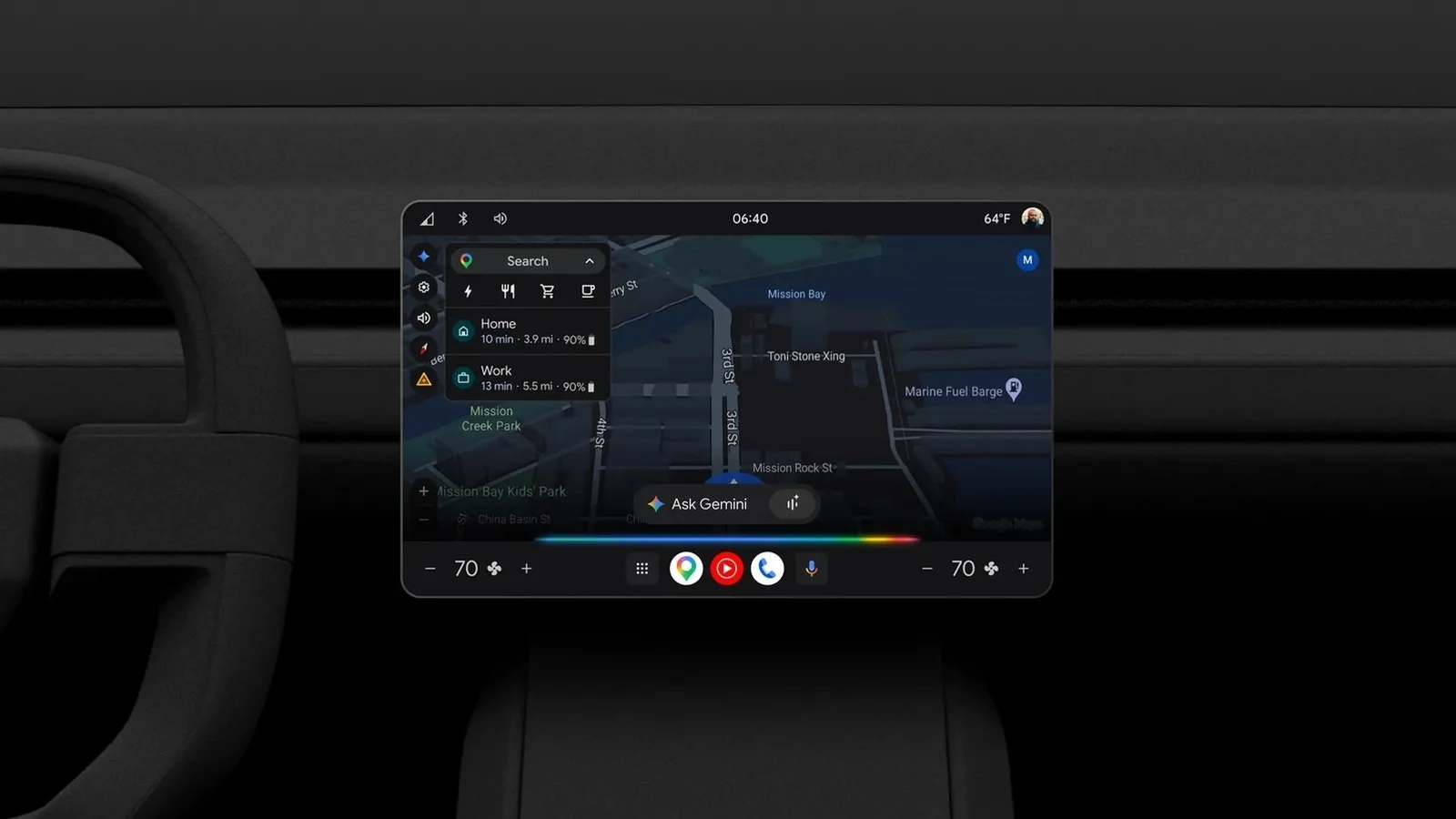
Despite the widespread popularity of phone mirroring applications like Apple CarPlay and Android Auto, many car manufacturers are actively moving away from them in favor of native infotainment systems. Google has supported this transition through Android Automotive and Google Built-in, which integrate Android's operating architecture directly into vehicles. For example, GM has moved away from Android Auto in favor of a Google Built-in solution since 2023, though some customers have met these shifts with mixed reactions regarding subscriptions and data privacy.
Unlike phone mirroring applications that merely project a mobile phone display onto a dashboard, both Android Automotive and Google Built-in function as independent operating systems. These platforms operate entirely without requiring a connected smartphone, though linking devices to a Google account can improve compatibility.
What is Android Automotive?
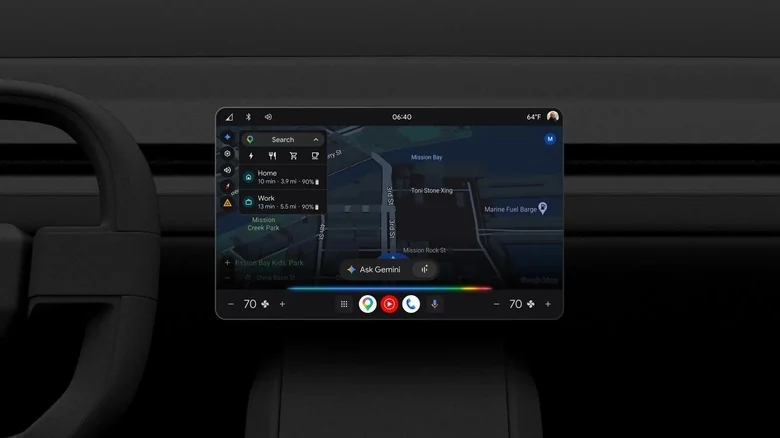
Android Automotive Operating System functions as a comprehensive, full-stack software solution that car manufacturers integrate into vehicle systems. It manages fundamental vehicle hardware and features, including radio operations, climate control, cameras, mirrors, lighting, seat adjustments, and instrument clusters. Because the architecture is open source and highly customizable, automakers can design tailored in-vehicle infotainment layouts specific to their individual brands and drivers.
In some cases, consumers might use a vehicle powered by Google's underlying framework without realizing it. For instance, Rivian builds upon the open source architecture for its proprietary infotainment system while omitting Google-specific branding entirely.
Understanding Google Built-In
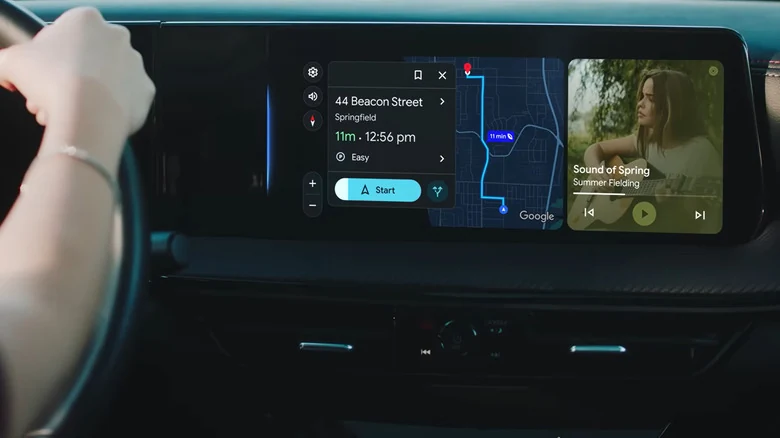
In contrast to the broader operating system, Google Built-in represents a specific package of applications that manufacturers license for their Android Automotive systems. Introduced in 2020, this suite gives drivers direct access to popular utilities and media platforms like Google Maps, Gemini, Spotify, YouTube, and the Google Play Store.
Currently, sixteen different automotive brands integrate these licensed applications into their vehicles, including Honda, Volvo, Chevy, Nissan, Ford, BYD, and Renault. Consumers can check a full list of supported vehicles by visiting Google's Built-in website.
The Integration of Advanced AI and Gemini
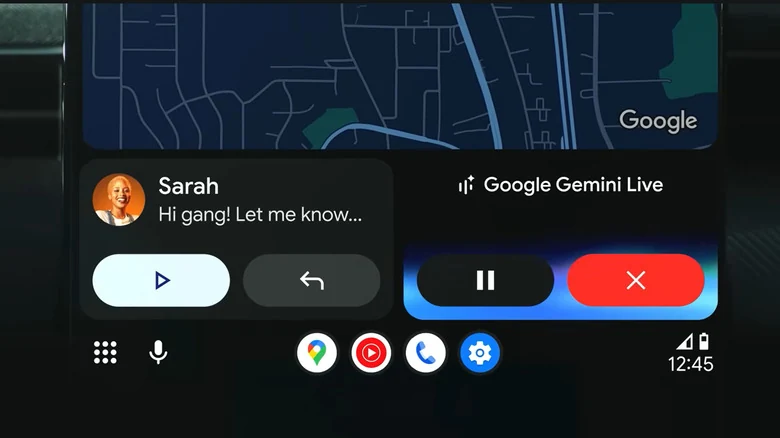
The distinction between Google's underlying framework and its application suite continues to evolve as advanced artificial intelligence features roll out. Gemini is officially replacing Google Assistant as the primary conversational chatbot within supported vehicle cockpits across sixteen brands.
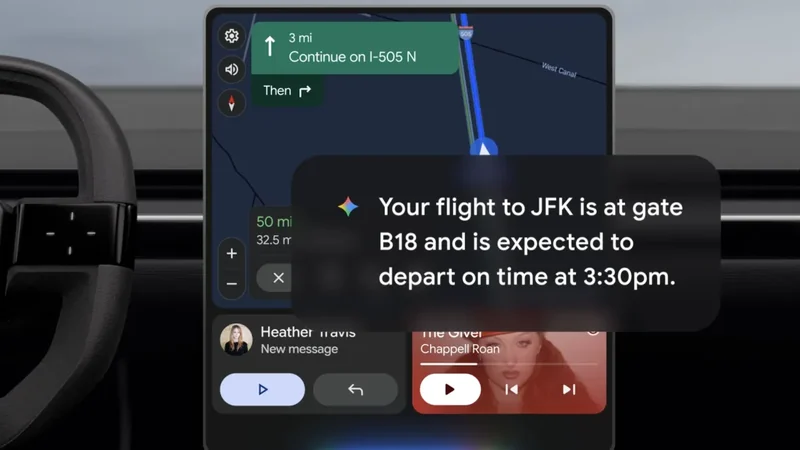
This integration brings voice-activated capabilities to vehicle displays, enhancing Google Maps with real-time traffic updates, EV-tailored routing, and smart navigation. Drivers can also utilize Gemini to manage messages, check emails, curate playlists, control in-car settings, and monitor vehicle performance metrics.
Sources
- EngadgetWhat's the difference between Android Automotive and Google Built-In?
Continue chronologically


Related entity coverage
Related stories
Rivian Startup Mind Robotics Hires Former Ford EV Chief
Former Ford EV and Tesla executive Doug Field has been named president of Mind Robotics, Rivian CEO RJ Scaringe's industrial automation startup.

Google Brings Personal Intelligence to Gemini in Cars
Google is bringing its Personal Intelligence feature to Gemini AI in Android Auto and cars with Google built-in, integrating personal app data.
Rivian Spinoff Mind Robotics Appoints Doug Field as President
Mind Robotics, the industrial AI and robotics startup founded by Rivian CEO RJ Scaringe, has named former Ford EV chief Doug Field as its president.

Slate vs Ford Fathom: EV Infotainment Tech
Explore how Slate and Ford approach infotainment differently in their affordable electric pickups, featuring smartphone integration and traditional displays.