
Founders Shift Focus from Digital to In-Person Experiences
A growing group of high-profile founders are moving away from purely digital products to build ventures that foster offline human connection.
 Radwan AbdulhadiEditor and technology writer
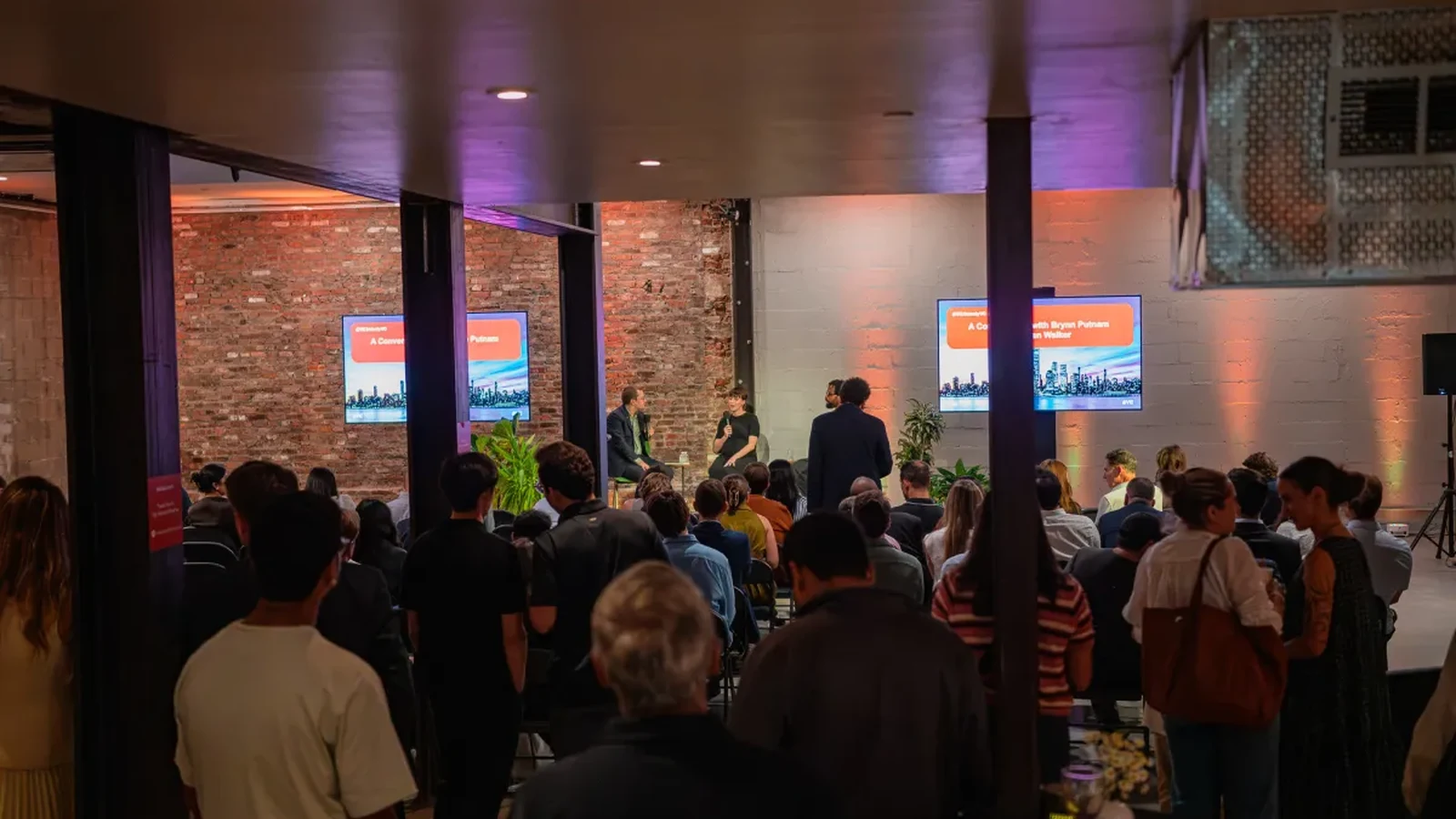
The Pivot to In-Person Connection
A new generation of founders is moving away from purely digital engagement, focusing instead on ventures that prioritize offline, in-person experiences. This shift is led by prominent entrepreneurs who previously found success with high-growth digital and consumer-focused companies. Brynn Putnam, the founder of the connected-fitness company Mirror, and Tristan Walker, the architect of Walker & Company Brands, are among those betting that the next wave of innovation lies in physical interaction. Their transition to this new focus is detailed in recent reporting by <a href="https://techcrunch.com/2026/09/20/a-small-but-growing-number-of-founders-are-betting-that-bringing-people-together-is-its-own-industry/">TechCrunch</a>.
From Digital Exits to Physical Foundations
Putnam and Walker are building on track records that would satisfy most founders. Putnam sold Mirror to Lululemon for <a href="https://techcrunch.com/2020/06/29/lululemon-set-to-acquire-home-fitness-startup-mirror-for-500m">$500 million</a> in a cash deal finalized within three years of the company's inception. Walker experienced similar success <a href="https://techcrunch.com/2018/12/12/procter-gamble-acquires-walker-company">selling it</a>—his grooming brand—to Procter & Gamble. Now, their new ventures—<a href="https://board.fun/">Board</a> for Putnam and Heirloom for Walker—prioritize face-to-face interaction.
Putnam’s new project, <a href="https://techcrunch.com/tag/board/">board</a>, is a touchscreen table engineered for multi-user, physical play. By recognizing game pieces and physical gestures, the device aims to bridge generational gaps, allowing family members of varying ages to share a common experience. Similarly, Walker’s Heirloom focuses on physical mastery. The venture is currently scaling trade schools, beginning with a <a href="https://heirloomleathercraft.com">leatherworking school</a> in San Francisco. Walker intends for these spaces to provide a 'phones-down creative outlet' for workers concerned about the implications of AI on traditional knowledge-based roles.
Addressing the Global Loneliness Crisis
The timing of these ventures aligns with growing international concern regarding social isolation. Last year, the World Health Organization formally identified loneliness as a global health challenge, noting its significant impact on mortality rates. This societal shift is reflected in consumer behavior; a survey from Marriott Bonvoy indicated that two-thirds of Americans now prioritize shared experiences over material goods. Founders are capitalizing on this desire for connection, developing platforms and spaces designed to facilitate community engagement.
The New Landscape of Social Infrastructure
The market for 'togetherness' remains fragmented but is attracting notable names. Andy Dunn, founder of Bonobos, has transitioned his startup Pie from an events application to a comprehensive social network. The platform is anchored by 'Community Homes,' providing infrastructure for groups that organize regular <a href="https://techcrunch.com/2026/08/25/andy-dunns-startup-pie-becomes-less-of-an-events-app-and-more-of-a-social-network/">run clubs or watch parties</a>. Meanwhile, Audrey Gelman is exploring the hospitality side of community building with the Six Bells Countryside Inn. The property hosts interactive events, such as a monthly murder-mystery dinner, which was recently profiled as a <a href="https://www.nytimes.com/2026/07/13/theater/murder-mystery-audrey-gelman-wing.html">feature</a> in the New York Times.
Investment and Future Viability
Investment in this space is varied. Putnam has successfully raised <a href="https://techcrunch.com/2026/06/02/board-the-new-game-startup-from-mirror-founder-brynn-putnam-raises-20m-has-already-sold-thousands">$35 million</a> for Board to fuel its expansion. While smaller startups are still testing the waters, the sector has drawn massive attention from figures like Adam Neumann. His real estate venture, Flow, has secured <a href="https://techcrunch.com/2025/04/24/report-adam-neumanns-flow-raises-100m-more-than-doubles-valuation-to-2-5b">$450 million</a> in funding, positioning itself as a leader in solving loneliness through physical living environments. Despite the enthusiasm, industry experts observe that creating scalable businesses out of social connection remains a distinct challenge compared to traditional software development.
Sources
- TechCrunchA small but growing number of founders are betting on bringing people together offline