Intel Edge AI Transforms Football Crowd Data Into Revenue
Venues are leveraging Intel-powered edge AI to process real-time crowd data, dramatically cutting down wait times and boosting stadium revenue.
 Radwan AbdulhadiEditor and technology writer
Tackling Stadium Congestion with Real-Time Analytics
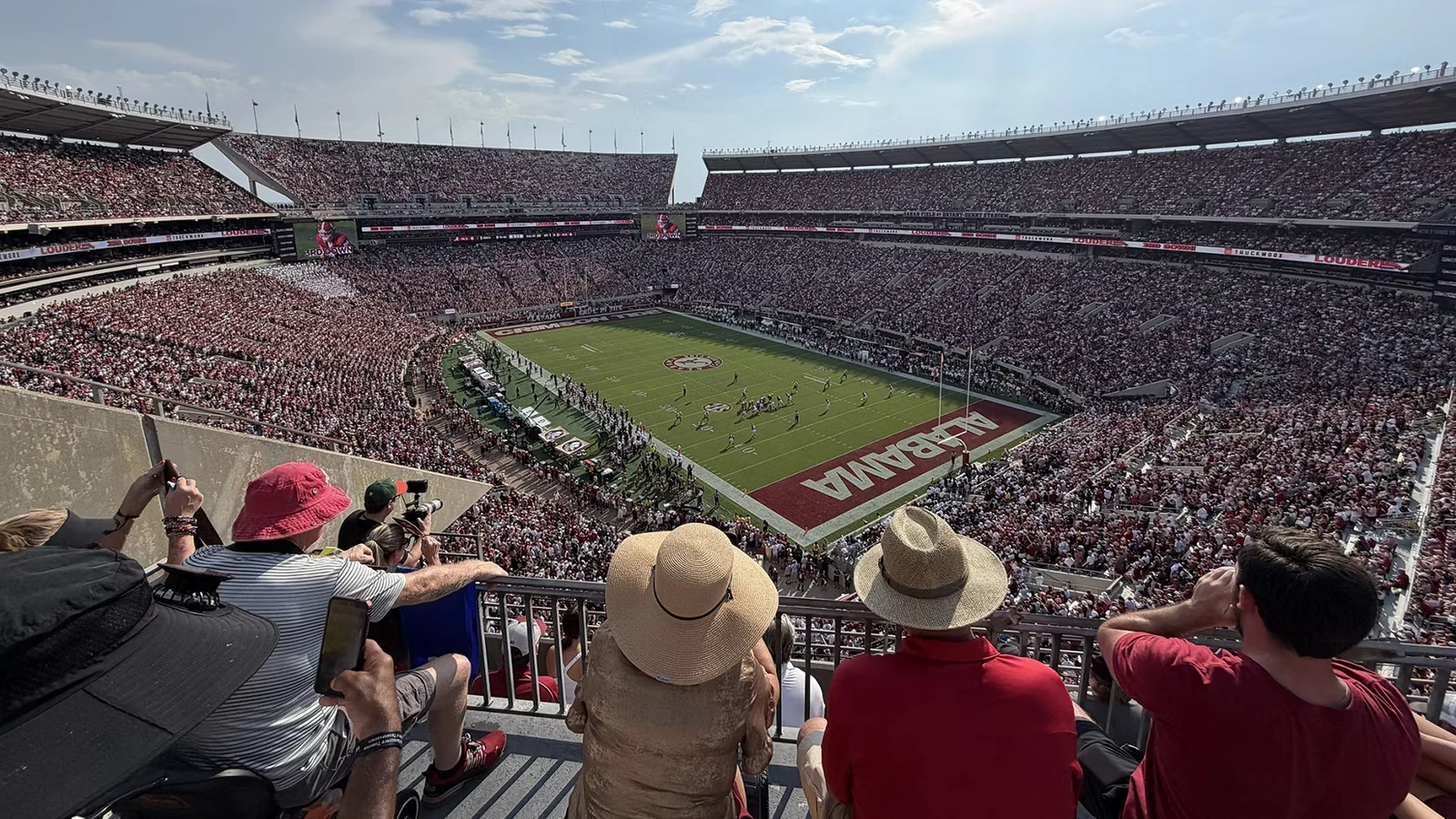
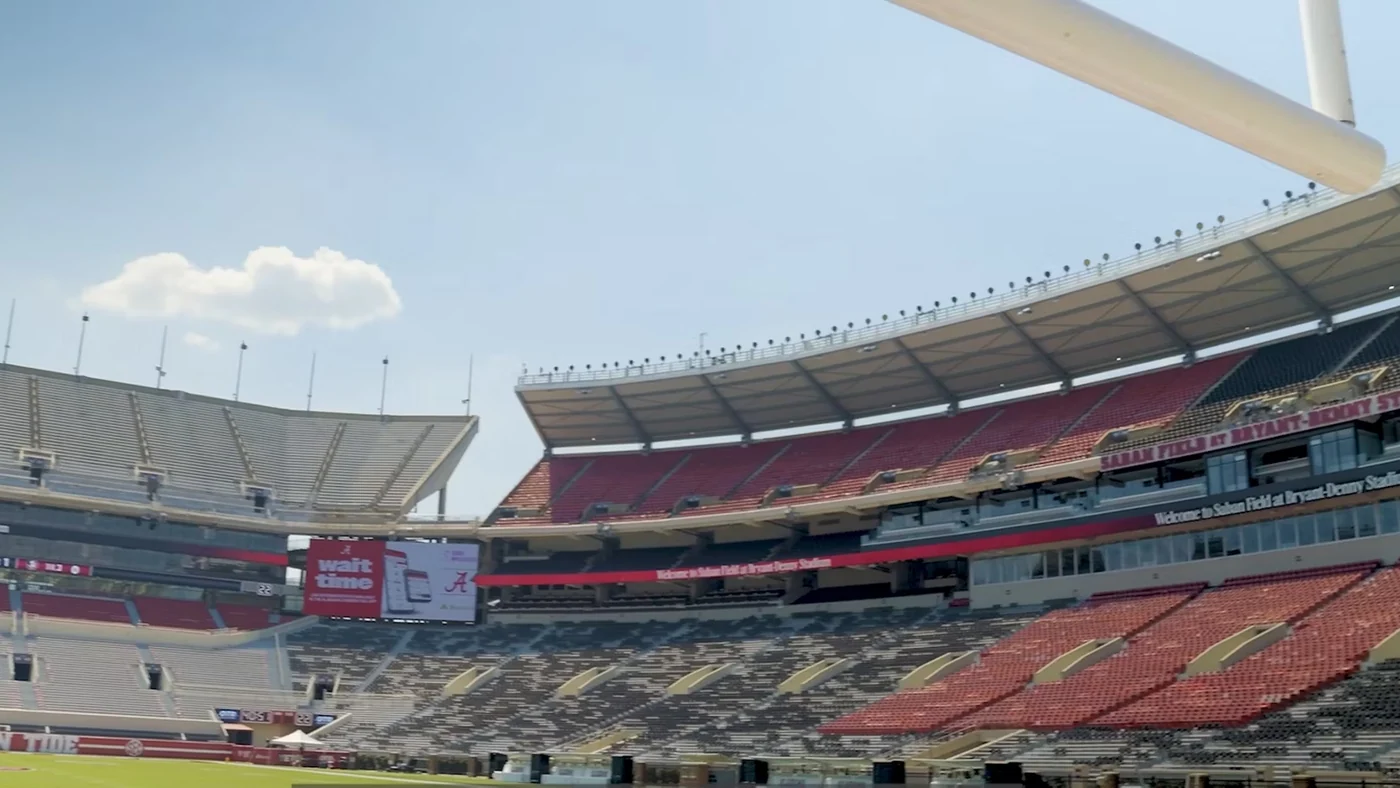
Long entrance lines and delayed concession visits have traditionally been among the top complaints in postgame surveys at major sports venues. To address these operational challenges, the University of Alabama deployed <a href="https://www.thewaittimes.com/">WaitTime</a> software to optimize crowd flow at Bryant-Denny Stadium, which holds over 100,000 fans.
During a matchup against Florida State, fans experienced significantly faster entry and quicker access to food and beverages. According to stadium leadership, the integration of real-time crowd intelligence has fundamentally changed how seating gates are numbered, where staff are placed, and how point-of-sale adjustments are handled to smooth overall crowd movement.
Anonymous Edge Sensing and Local Processing
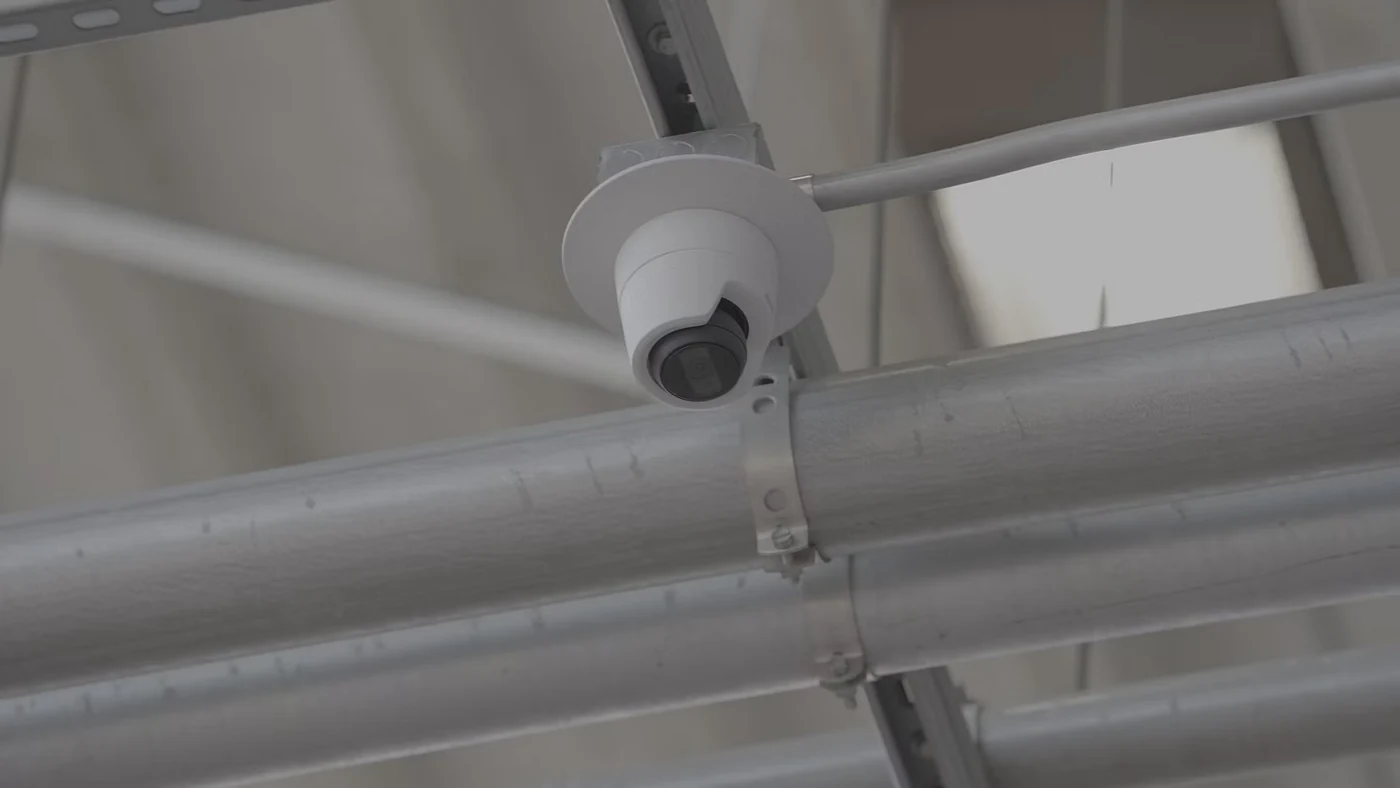
The crowd management system relies on strategically mounted overhead Axis Communications sensors that observe pixels to differentiate between humans and objects like trash cans, while entirely maintaining user anonymity. Across its football stadium and basketball arena, Alabama Athletics utilizes a growing network of 120 sensors to monitor crowd behavior and queue durations.
Rather than routing raw video feeds over the cloud to distant data centers, the system processes visual data locally on six Dell servers driven by <a href="https://www.intel.com/content/www/us/en/products/details/processors/xeon.html">Intel® Xeon® processors</a>. This localized edge approach eliminates round-trip latency, ensuring that operational decisions—such as opening an entry gate or reassigning staff—happen immediately as bottlenecks emerge.
Advantages of CPU-Only Edge Architecture
Processing <a href="https://www.intel.com/content/www/us/en/newsroom/home.html#aiartificialintelligence">Artificial Intelligence (AI)</a> workloads directly at the edge provides venues with lower latency, faster responses, and greater data privacy. Renu Navale, vice president of the Edge Computing Group at Intel, noted that local processing means raw video never has to leave the stadium premises.
Furthermore, the software is optimized for a CPU-only architecture, which allowed the university to leverage its existing infrastructure. Rand Harris, the university's chief technology officer and associate athletic director, explained that the CPU-based model aligned with their current environment and avoided the complexity and costs associated with specialized discrete hardware.
Distinguishing Crowd Behaviors and Queue Progress
Accurately measuring crowd density requires more than simple head-counting. According to Zack Klima, CEO and founder of <a href="https://www.thewaittimes.com/">WaitTime</a>, the system's artificial intelligence can distinguish whether individuals are actively progressing toward the front of a line, congregating off to the side, or simply passing through a concourse.
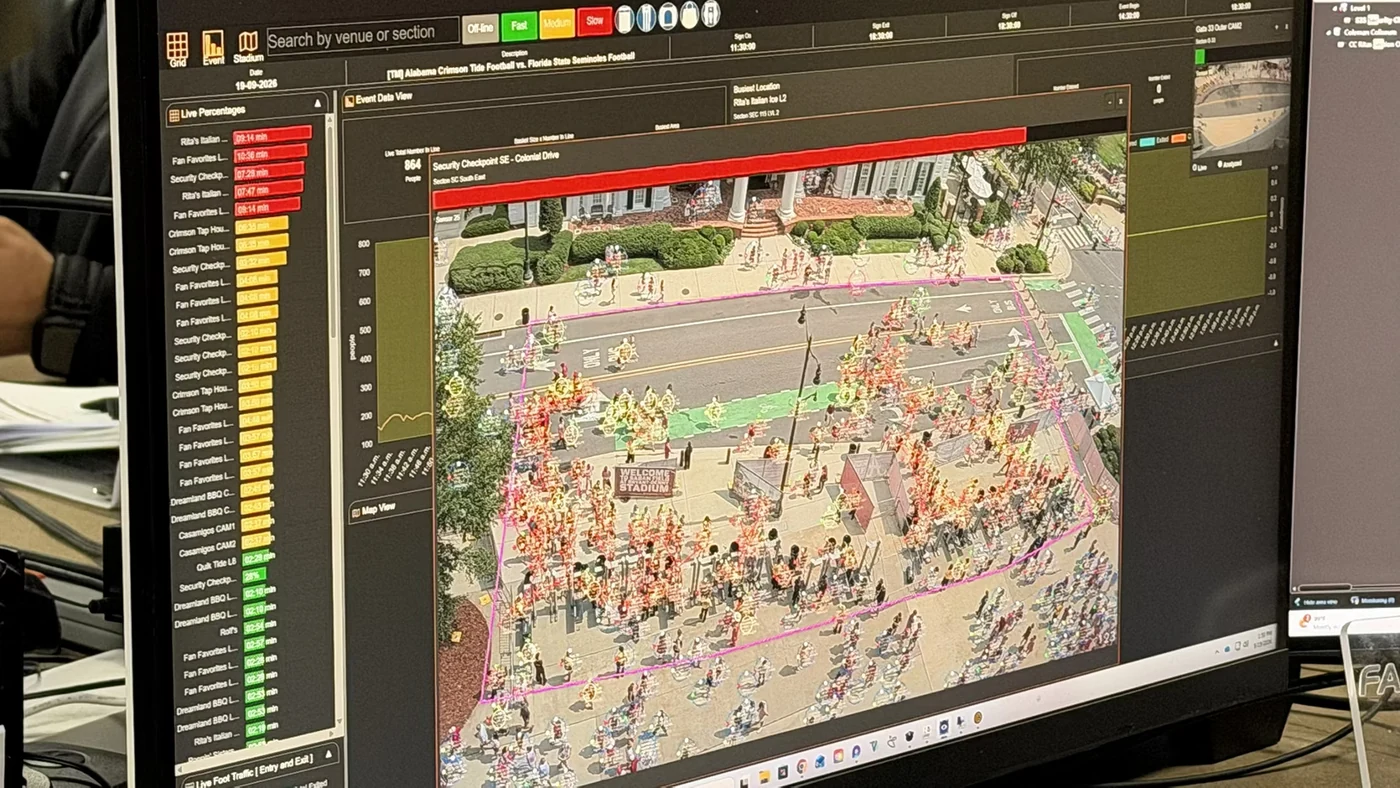
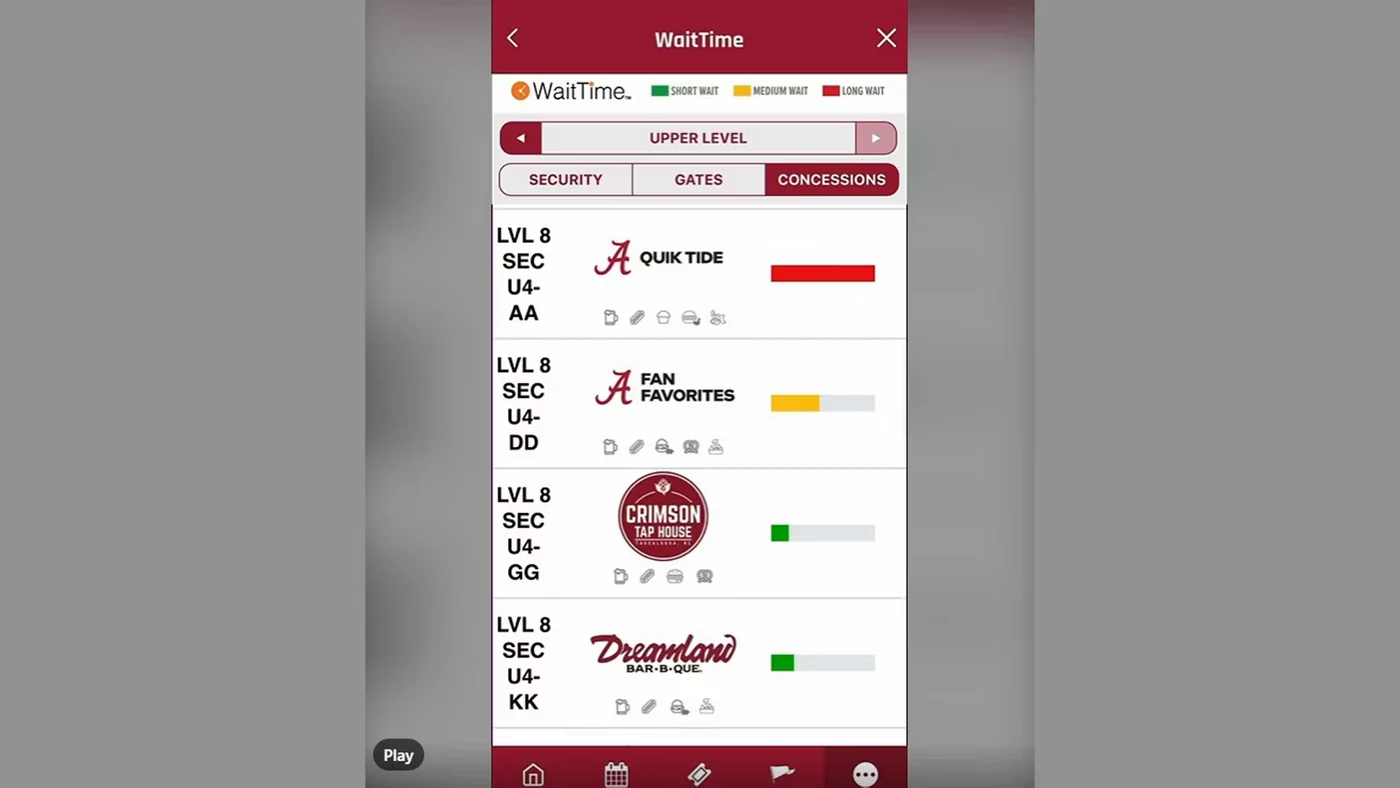
By understanding these nuanced behavioral patterns in real time, the platform delivers actionable insights to stadium operators via live dashboards. During events, operators can monitor color-coded indicators representing wait times across multiple entry gates and concession stands simultaneously.
Improving Operational Efficiency and Boosting Revenue
The real-time operational adjustments have yielded direct financial benefits for the venue. By analyzing queue durations and repositioning security perimeters relative to ticket scanning locations, the athletic department successfully optimized throughput.
According to stadium leadership, moving fans into their seats faster not only enhances their overall game-day experience but also increases concession and merchandise revenue. To keep visitors informed, the university shares live wait-time data directly through its official athletics mobile app, utilizing intuitive red, yellow, and green indicators.
Broadening Deployment Across Major Sports Venues
The deployment at Bryant-Denny Stadium builds on a broader trend of technological adoption across large public spaces. Detailed updates regarding these deployments and related technologies can be found via the <a href="https://www.intel.com/content/www/us/en/newsroom/home.html">Intel Newsroom</a>.
With intelligence software already deployed across more than 25 sports, convention, and shopping venues worldwide—including implementations at other major institutions like The Ohio State University—edge computing continues to redefine crowd management and stadium operations on game days.
Sources
- Intel NewsroomIntel Edge AI Turns Football Crowd Data Into Revenue and Shorter Lines
Continue chronologically

Related stories
Google Admits Intel Googlebooks Face Android App Issues
Google acknowledges that Intel-based Googlebooks may encounter performance issues with a small handful of Android apps upon launch.
Intel Googlebooks May Struggle With Some Android Apps
Google reveals that certain Android apps may face performance issues on Intel-based Googlebooks due to their original design for Arm chips.

Dell Promo Codes and Discounts Offer Big Tech Savings
Explore the latest verified Dell coupon codes, promotional discounts, and student savings available on laptops, monitors, and desktop computers.

Googlebooks Launch Android Laptops Starting at $899
Google introduces its new line of Android-powered laptops, called Googlebooks, bringing premium hardware and native Android app support to users.