AnyLanguageModel 1.0 Launches with Apple Platform Updates
The release of AnyLanguageModel 1.0 marks a full year of enabling local models on Apple platforms through a shared API.
 Radwan AbdulhadiEditor and technology writer
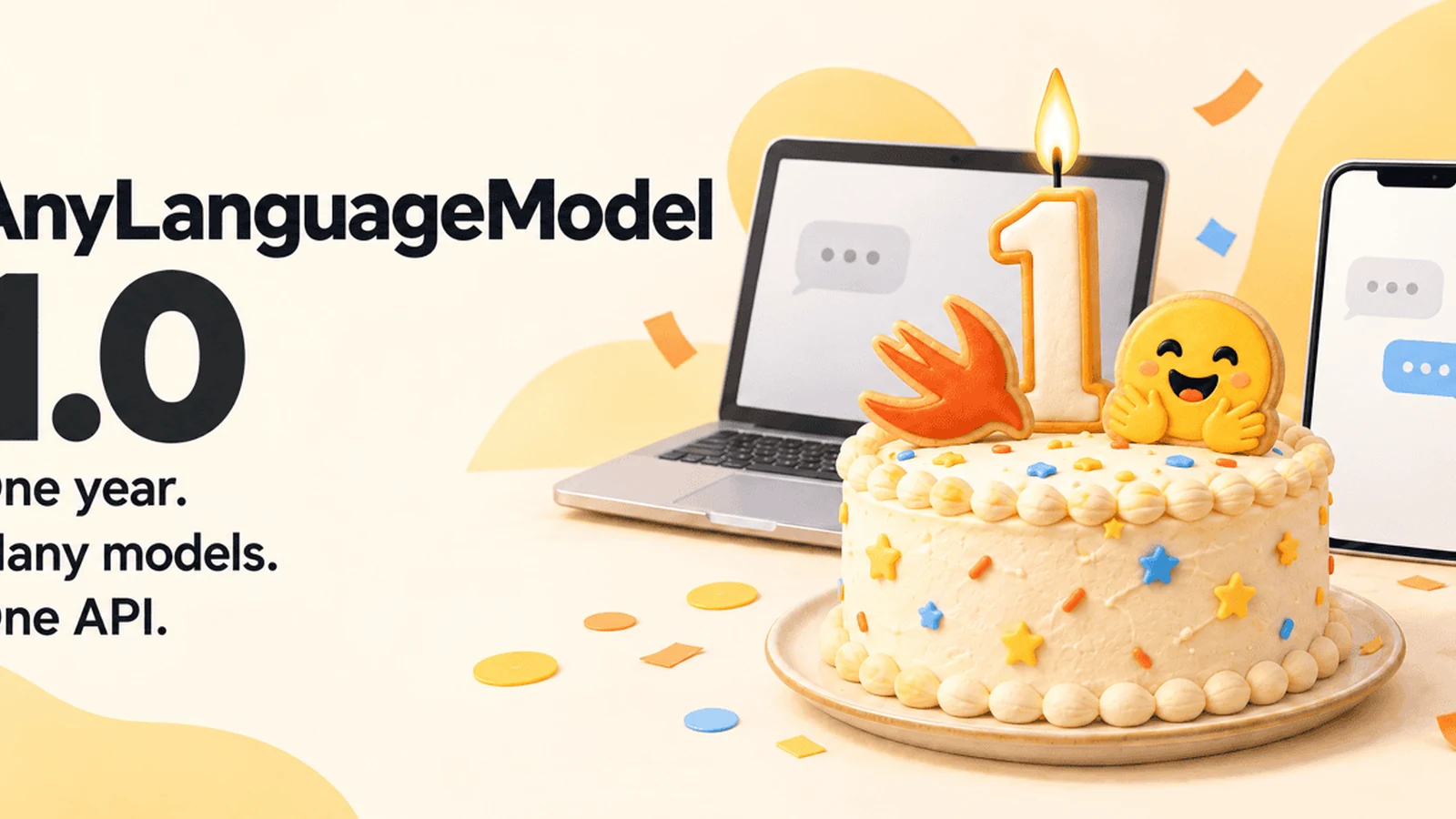
One Year of Local Models on Apple Platforms
Following its initial introduction last November, the team behind the tool has officially released AnyLanguageModel 1.0. Designed to serve as a drop-in replacement for Apple's Foundation Models framework, the project allows app developers to choose the specific model and provider for their applications without grappling with the complexity of supporting multiple inference providers.
The core objective remains focused on using the Foundation Models API with a model tailored to an application's needs. Alongside the major version 1.0 release, the ecosystem has expanded with the simultaneous launch of swift-huggingface 1.0 and swift-xet 1.0 to facilitate accelerated model downloads from the Hub directly inside Swift applications.
Expanded Features and Provider Integrations
Over the past year of development and dozens of releases, several major capabilities have been introduced to the framework. Guided generation now operates across every provider, supporting nested @Generable types and arrays. Furthermore, image support enables developers to attach images to prompts using Foundation Models syntax on iOS, macOS, and visionOS. On OS systems, the framework also integrates with any model conforming to the Foundation Models LanguageModel protocol, including Core AI models.
Hosted model support has similarly broadened. AnyLanguageModel now accommodates Open Responses for compatible endpoints, Anthropic's Messages API with adaptive thinking options, and Hugging Face Inference Providers alongside OpenAI-compatible endpoints like OpenRouter via custom base URLs. Reasoning blocks are automatically managed within transcripts, ensuring smooth transitions when switching providers.
Model Performance and Deployment Flexibility
As local models have grown more capable, small configurations have emerged as practical starting points for developers. Notable open-weight models frequently downloaded from the Hub include Google's Gemma 4 E2B, Liquid AI's LFM2.5 2.6B, Alibaba's Qwen3.8 27B for MLX, and Z.ai's large-scale GLM-5.3. While smaller options run locally on iPhones or Mac hardware, larger configurations remain accessible via hosted inference providers using identical session code.
To support secure enterprise deployments, API keys are now retrieved through a closure rather than a static string, enabling applications to fetch short-lived tokens directly from custom backend servers. Additionally, AnyLanguageModel now executes on Linux, bringing cross-platform consistency to server-side environments.
Community Contributions and Future Outlook
The evolution of the project has been heavily driven by community feedback and contributions from developers building intelligence into modern software. Maintainers have expressed gratitude to contributors who helped refine the toolset. Moving forward, the development team plans to apply the same philosophy of familiar Swift APIs and flexible model execution to upcoming capabilities, including models designed to listen and decide.
Sources
- Hugging Face BlogAnyLanguageModel 1.0: One Year of Local Models on Apple Platforms
Continue chronologically


Related entity coverage
Related stories
Liquid AI Unveils LFM2.5-24B-A2B Reasoning Model
Liquid AI introduces LFM2.5-24B-A2B, a 24B reasoning model with 2B active parameters built for fast, private, and efficient on-device AI agents.
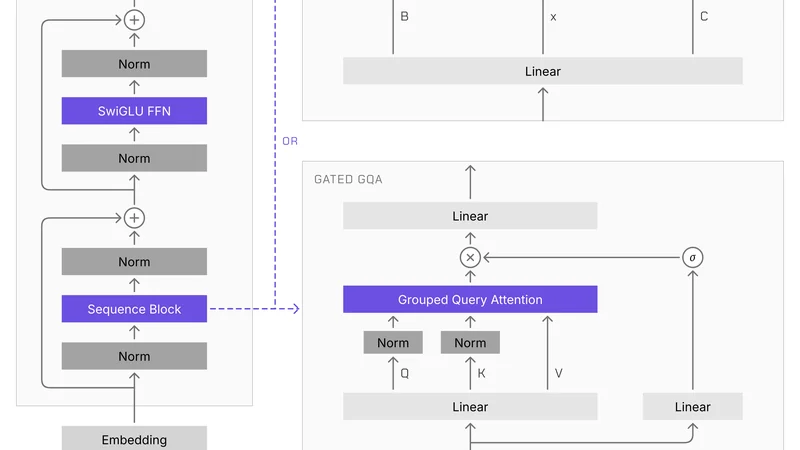
Liquid AI Unveils LFM3 Multimodal Model Family
Liquid AI introduces LFM3, a new generation of multimodal foundation models spanning text, vision, audio, omni, and decision capabilities on a 2B backbone.
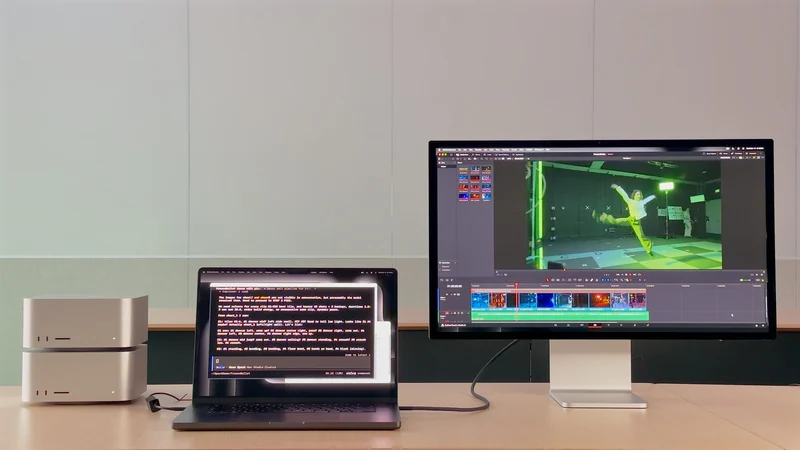
Meta Releases Muse Spark Open, an 800B-Parameter AI Model
Meta has introduced Muse Spark Open, an 800-billion parameter open-weight AI model optimized for Apple's hardware, requiring 1TB of unified RAM.
Liquid AI Releases Multimodal Open d1 Decision Models
Liquid AI has launched its open d1 decision model family, introducing the d1-3B and d1-omni-600M models for multimodal edge applications.