Ray-Ban Meta Audio Review: Camera-Free Smart Glasses
Meta's latest camera-free smart glasses eliminate surveillance concerns while offering solid audio, turn-by-turn navigation, and lightweight comfort.
 Radwan AbdulhadiEditor and technology writer

Ditching the Cameras for Privacy
Meta has officially released a camera-free alternative to its popular wearable technology lineup. The new Ray-Ban Meta Audio frames were announced to offer a streamlined user experience without the surveillance baggage that previously accompanied camera-enabled devices. Over successive generations, previous models faced considerable public scrutiny, with critics labeling them pervert glasses due to unauthorized recording concerns and attempts by some users to bypass indicator lights.
Additional controversies involved facial recognition technology tied to Meta's products. Although the corporation initially denied using facial recognition on the eyewear, it later admitted to the feature before ultimately removing it. In September, Meta faced a lawsuit regarding its facial recognition systems, though the company insists that public pushback did not influence its decision to launch an audio-only wearable.
Audio Performance and Navigation
Without cameras, the Ray-Ban Meta Audio frames function entirely through sound and integrated artificial intelligence. Users can stream audio, take phone calls, and access an AI chatbot that saves requests within the companion mobile application. Live language translation is also supported when accessed directly through the Meta AI app.
When users need assistance on the move, the built-in AI agent can provide turn-by-turn directions directly into the ears. While audio leaks to nearby individuals and bass response is somewhat limited, call quality remains high, and callers cannot tell they are speaking through glasses. The open-ear design also allows wearers to hear crucial ambient sounds, such as nearby traffic.
Design, Weight, and Battery Life
The Ray-Ban Meta Audio glasses come in multiple frame styles, including the Burbank and the rounder Clubmaster. While the frames are relatively thick, they benefit from transition lenses that adjust quickly to changing sunlight and a significantly lighter build compared to camera-equipped alternatives.
Specifically, the Burbank model weighs 43 grams and the Clubmaster weighs 47 grams, making both options noticeably lighter than the 51.5-gram camera-equipped Gen 3 Wayfarer. Furthermore, a 12-hour battery life makes all-day wear viable without requiring traditional earbuds or headphones.
Market Reception and Outlook
For consumers who want smart eyewear capabilities without content capture or augmented reality features, removing the cameras entirely represents a practical shift. While augmented reality applications will likely continue to require outward-facing lenses, audio-only frames offer a peaceful alternative for everyday use.
For buyers interested in purchasing the device, pricing is set at $349 at Ray-Ban and through official retail channels. As competing technology companies continue to develop wearable concepts, these camera-free frames stand out as a streamlined option for users who want connectivity without the privacy concerns of recording devices.
Sources
- WIREDRay-Ban Meta Audio Review: The Best Smart Glasses
Continue chronologically

Related entity coverage
Related stories
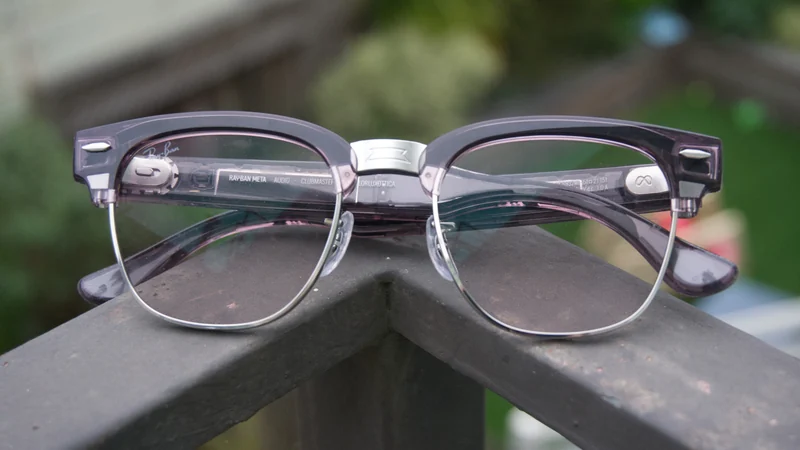
Ray-Ban Meta Audio Glasses Review: Camera-Free Wearables
Meta introduces the Ray-Ban Meta Audio glasses priced at $349, offering a camera-free design, improved battery life, and open-ear audio.
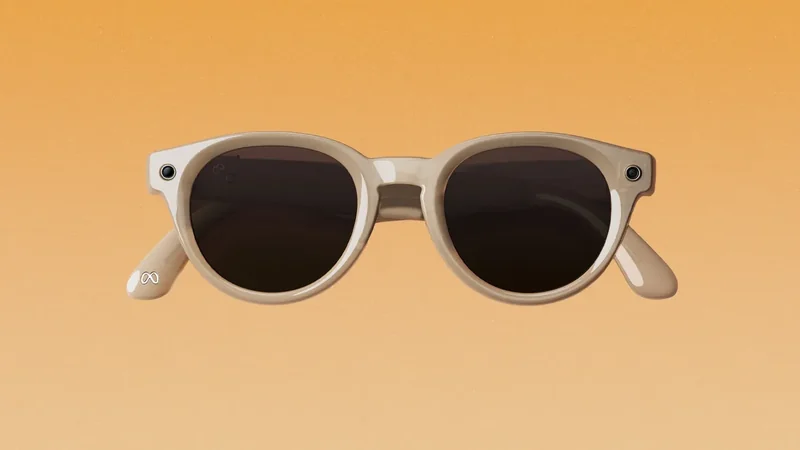
Meta Glasses Nova Gen 3 Review: Iterative Upgrades
Read our comprehensive review of the new Meta Glasses Nova (Gen 3). Discover the latest design changes, battery improvements, and AI features.
Can AI Glasses Replace Your Daily Prescription Eyewear?
Explore the pros and cons of replacing your regular prescription glasses with AI smart glasses, including weight, battery life, and privacy concerns.
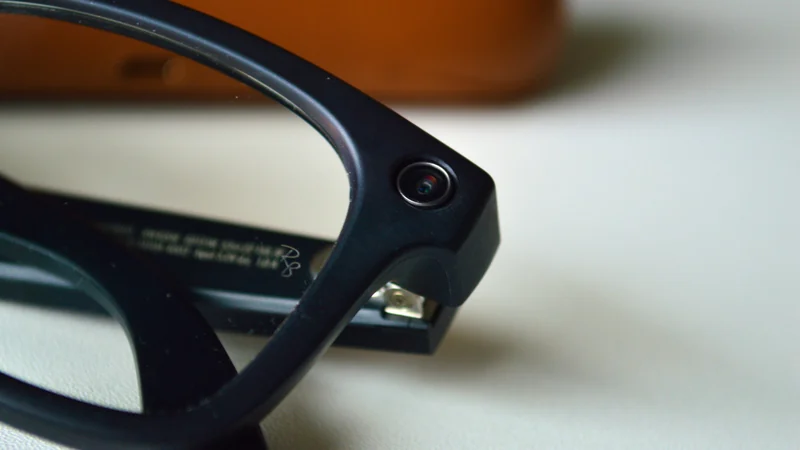
Meta’s Pivot: From Metaverse Bets to AI-Powered Glasses
Meta is shifting focus from its struggling metaverse vision to AI-integrated smart glasses and new agents, despite ongoing regulatory and social challenges.