
Meta Glasses Nova Gen 3 Review: Iterative Upgrades
Meta and Ray-Ban have returned with their third-generation smart glasses, offering minor improvements to battery life and microphone performance alongside familiar camera-equipped designs.
 Radwan AbdulhadiEditor and technology writer
Design and Hardware Improvements
The third-generation smart glasses from Meta bring several subtle refinements over their predecessors. The hardware updates include a slightly improved battery life that reaches nine hours, which is one hour longer than the previous generation. Users also benefit from a superior microphone array, designed to capture clear audio and effectively cull background noise during calls.
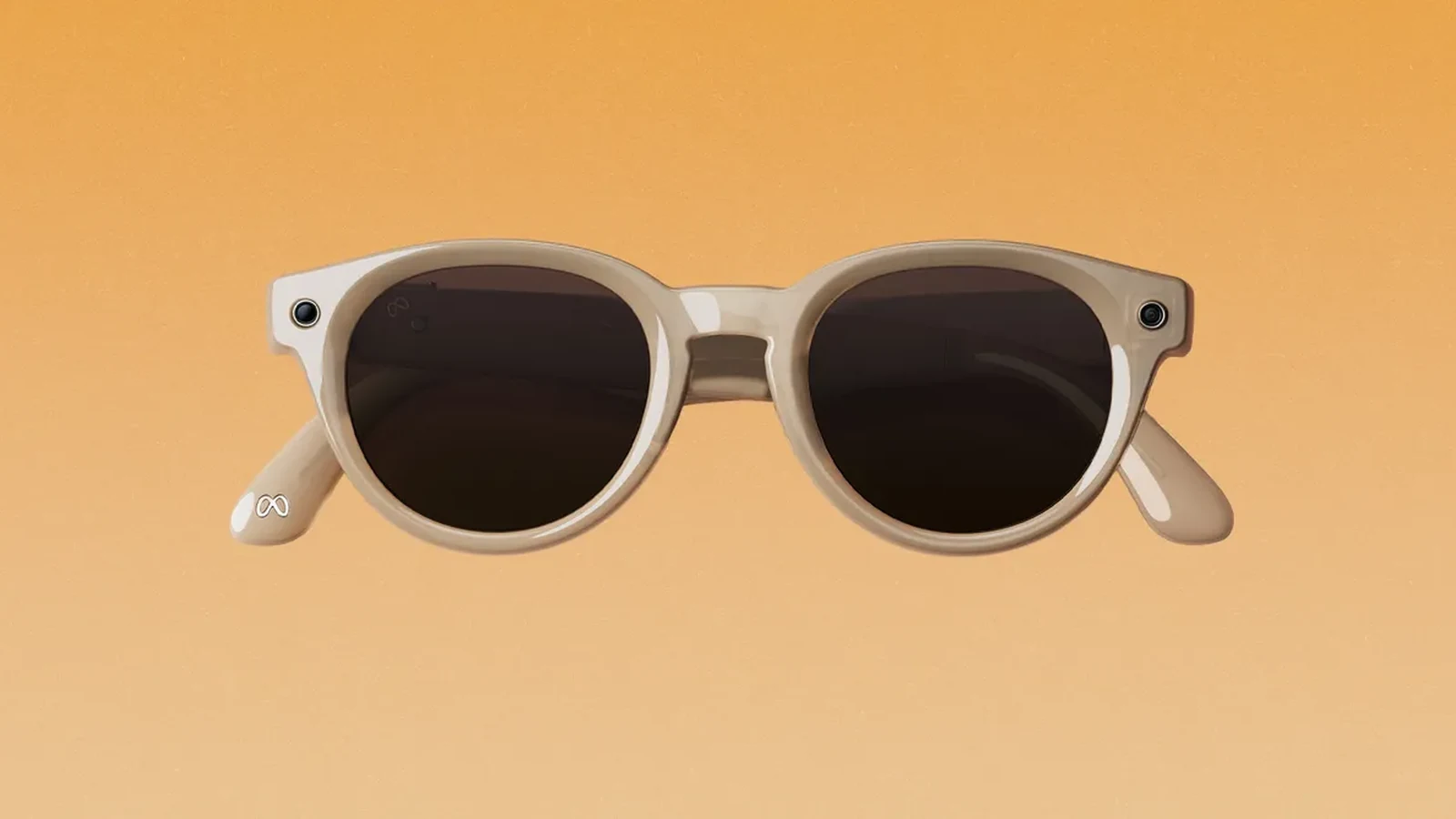
Among the lineup is the Meta Nova, a Meta-designed model featuring translucent brown frames and rounded lenses. For users exploring options across the ecosystem, pricing and styling vary, with the Meta Nova available at $299 at Meta and Ray-Ban-branded Gen 3 models starting at higher price points.
The camera housing on the Meta Nova is noticeably smaller than on the Gen 2 glasses, making the camera-enabled nature of the frames less obvious from a distance. The physical profile is slimmer and lighter, and the collection is offered in a variety of color and frame combinations.
Audio Performance and Everyday Usability
Real-world testing highlights the capability of the updated internal hardware. During unexpected loud environments, such as a building fire alarm sounding off during a phone call, the six-microphone system demonstrates an impressive ability to isolate the user's voice while subduing overwhelming background sirens.
Despite these hardware strengths, software features are not uniformly distributed across all models. Advanced accessibility features like Conversation Focus remain in early access and are restricted to specific frames, leaving Meta-designed models without immediate access to the functionality.
Consumers looking into the broader market can also investigate alternative styles or examine how these devices compare to older hardware iterations. Shoppers can review previous generations and style choices when considering whether to upgrade from a Gen 2 model.
AI Integration and Assistant Shortcomings
The Gen 3 glasses feature a dedicated button to interact directly with Meta’s AI assistant. However, reviews indicate that the built-in AI assistant still struggles significantly with basic tasks and accurate information retrieval. When tasked with identifying specific product features or processing reference materials, the assistant frequently fails to deliver correct details.
Future software updates may introduce deeper platform integrations, such as Meta’s Muse AI, which the company has stated will roll out later in the year. While these upcoming additions are expected to bring expanded capabilities, current AI performance remains limited when handling complex user inquiries.
Camera Technology and Ongoing Privacy Concerns
The Gen 3 glasses continue to feature the same 12-megapixel cameras capable of capturing 3K video as seen in the previous generation. This persistent presence of integrated cameras on wearable eyewear maintains ongoing societal discussions regarding public privacy, surveillance, and appropriate usage boundaries.
While Meta has implemented an indicator light that has recently been made more tamper-proof, public concerns regarding unauthorized recording and misuse by individuals remain a prominent topic surrounding camera-equipped smart glasses.
For consumers who prefer devices without recording hardware, alternative categories such as audio-only glasses exist within the broader market, offering options that entirely remove optical recording sensors from the frame.
Market Position and Purchasing Considerations
When evaluating the overall value proposition of the third-generation devices, reviewers note that the core functionality matches what users expect from a modern wearable. Photos and videos are captured reliably, the physical frames offer comfortable wearability, and the software ecosystem remains generally competent.
Because the updates are primarily iterative rather than revolutionary, potential buyers are advised to weigh the costs. Given the premium pricing of the new hardware variants, users may find that sticking with existing second-generation hardware provides a sufficiently similar experience without requiring a new financial investment.
Additional information and comprehensive comparisons regarding the complete hardware lineup can be explored through specialized tech reporting and product guides covering the ecosystem.
Sources
- WIREDMeta Glasses Nova (Gen 3) Review: Not Much New
Continue chronologically

Related entity coverage
Related stories
Meta’s Pivot: From Metaverse Bets to AI-Powered Glasses
Meta is shifting focus from its struggling metaverse vision to AI-integrated smart glasses and new agents, despite ongoing regulatory and social challenges.

Meta Launches Muse Gadgets Open-Source AI Hardware Project
Meta introduces Muse Gadgets, an open-source project letting developers build custom hardware connected to its personal AI agent.

Meta and YouTube to Allow Ads for Alex Gibney 'Musk' Film
Meta and YouTube reversed decisions blocking ads for Alex Gibney's documentary on Elon Musk following initial political ad flags.

Meta’s Muse AI Faces Scrutiny Over Creepy Data Explanations
Meta’s Muse assistant is causing concern after misidentifying how it accesses user data, raising questions about AI transparency and functionality.