Can AI Glasses Replace Your Daily Prescription Eyewear?
While AI-powered smart glasses can be ordered with prescription lenses, various technical and social challenges mean they may not be the best choice for everyday wear.
 Radwan AbdulhadiEditor and technology writer
The Appeal of Prescription AI Glasses
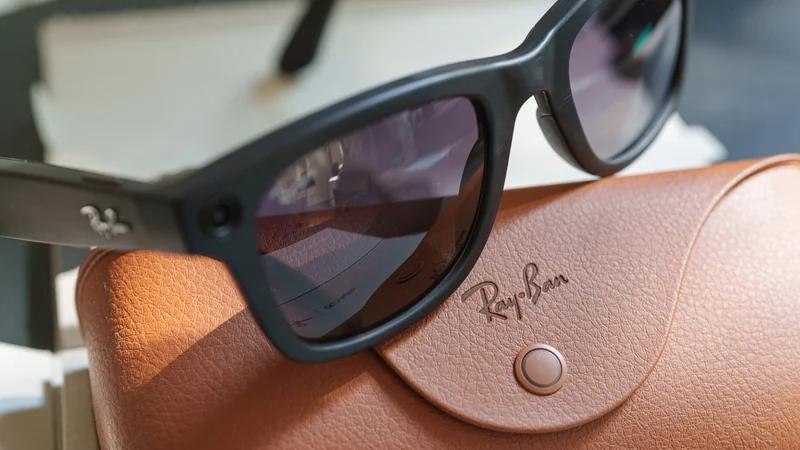
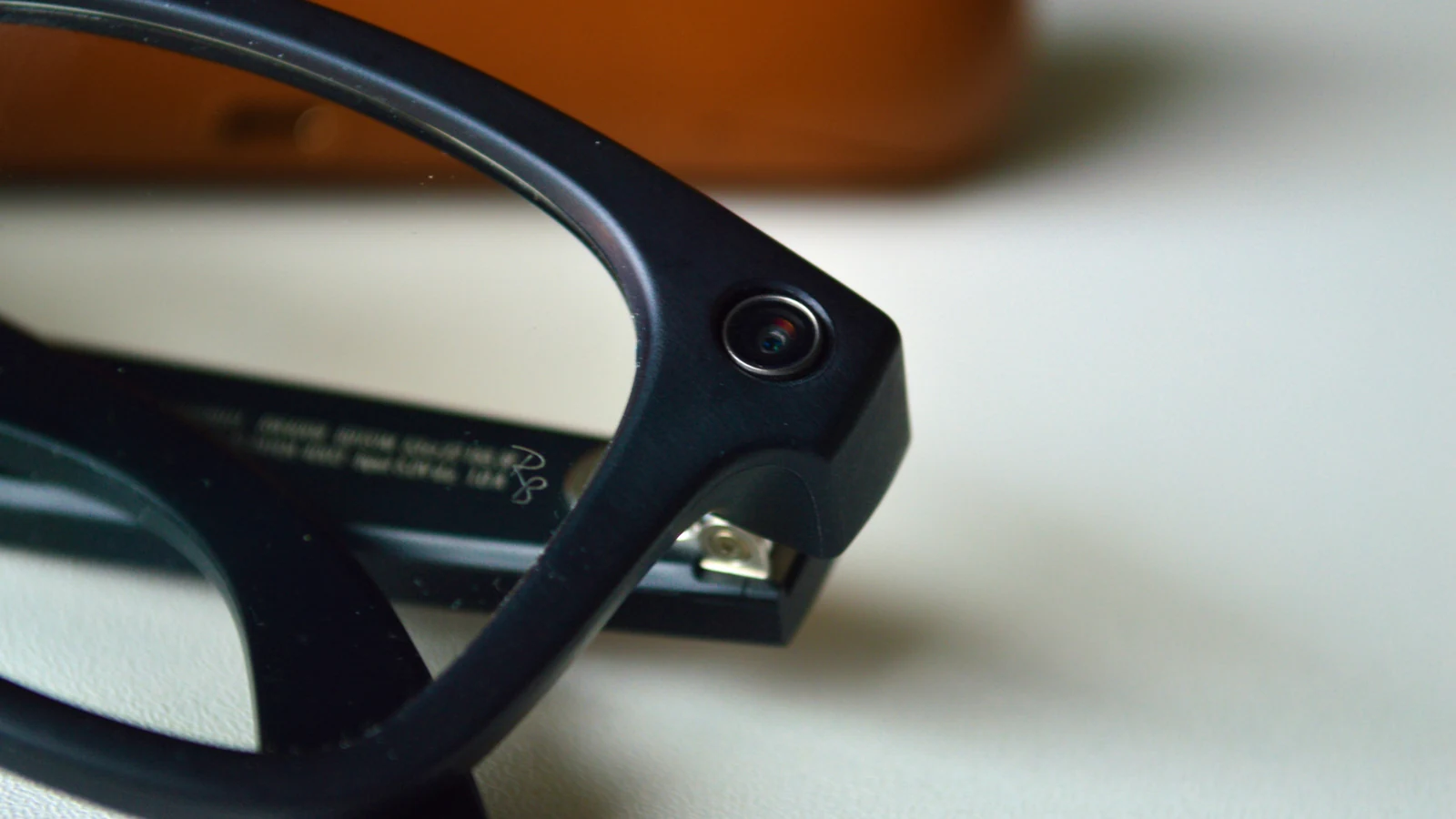
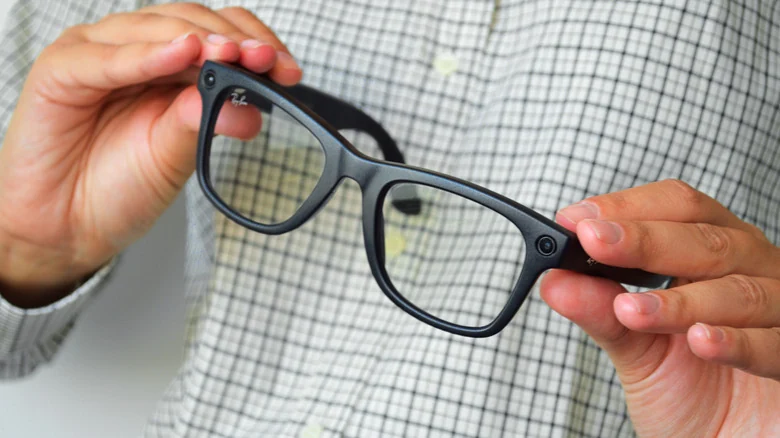
AI-powered smart glasses have grown increasingly popular while also sparking significant controversy. For individuals who wear glasses every day, the possibility of replacing traditional prescription eyewear with a smart alternative is a common consideration. From the outside, most AI glasses resemble ordinary frames; for instance, observing a pair of Ray-Ban Meta frames from a distance makes it difficult to distinguish them from standard eyewear.
Because they share a similar physical form to regular glasses, manufacturers often allow customers to replace the standard lenses with prescription options. Brands like Ray-Ban permit buyers to order smart glasses with prescription lenses pre-installed by simply uploading their prescription details, after which the company handles the rest. Further details are available from Filipe Espósito in the original source material.
Weight and Battery Limitations
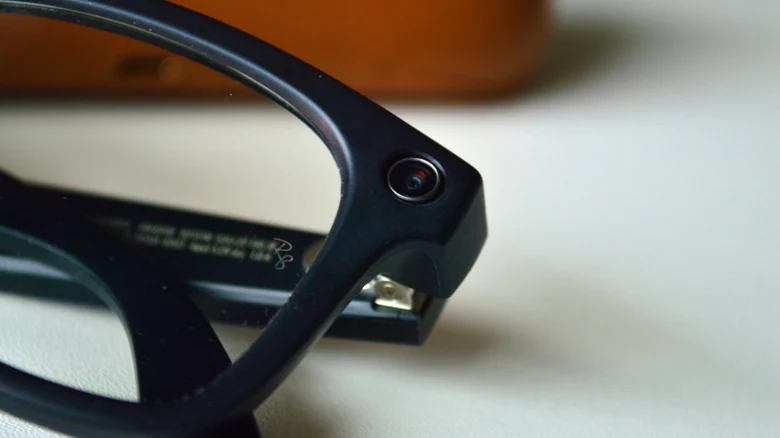
Despite the convenience of built-in artificial intelligence, several physical factors must be evaluated before making an investment. Regular glasses typically weigh between 20 and 30 grams, whereas smart glasses can reach up to 80 grams. While wearing heavier frames for a few hours is manageable, the added weight becomes noticeable during all-day use.
Battery performance presents another notable challenge. AI glasses generally last between 3 and 5 hours before losing power. Although they continue to function as standard frames once the battery dies, users lose access to all artificial intelligence capabilities unless the device is constantly recharged throughout the day.
Privacy Concerns and Public Restrictions
Beyond technical limitations, privacy issues represent a major hurdle for daily use. While wearing AI glasses in public remains legal, an increasing number of institutions are prohibiting these devices. For example, courts in England and Wales have officially banned Meta glasses from courtrooms, and New York implemented similar restrictions. Additionally, numerous schools worldwide forbid students from wearing smart glasses during class.
Regulatory scrutiny extends beyond courts and educational facilities into corporate environments, where cameras and microphones raise confidentiality concerns. Real-time translation features, for instance, risk uploading sensitive conversations to external servers. Meanwhile, legal and privacy challenges continue to mount, as demonstrated when a German nonprofit filed a criminal complaint regarding smart glass data practices.

Corporate Data Handling and Scrutiny
Manufacturers of AI eyewear have faced intense scrutiny regarding how captured media is handled. Meta has encountered criticism for permitting outsourced workers to review intimate images and videos captured by its devices. The company maintains that human review is sometimes utilized to improve overall product experiences and user functionality.
These ongoing controversies and negative reports have significantly influenced consumer behavior. The associated social stigma and the risk of being viewed negatively in public spaces mean that the Meta Glasses backlash is changing how people use them, prompting many owners to reconsider wearing the devices in everyday social settings.
Sources
- EngadgetAI glasses can replace your prescription glasses, but should they?
Continue chronologically

Related entity coverage
Related stories
Ray-Ban Meta Audio Review: Camera-Free Smart Glasses
Meta's new Ray-Ban Meta Audio smart glasses drop the built-in cameras to deliver an audio-only experience with improved comfort and privacy.

Meta Glasses Nova Gen 3 Review: Iterative Upgrades
Read our comprehensive review of the new Meta Glasses Nova (Gen 3). Discover the latest design changes, battery improvements, and AI features.
Engadget Review Recap Highlights iPhone Duo and Rivian R2
Engadget shares a new roundup of recent device reviews, featuring the foldable iPhone Duo, the mid-sized Rivian R2 electric SUV, and more.
4 Ray-Ban Meta Privacy Settings to Change Now
Explore four crucial privacy settings for Ray-Ban Meta smart glasses to manage cloud storage, AI training features, and voice wake phrases.