Meta Tests Charging Government and Nonprofits to Share Links
Meta's ongoing experiment to gate link sharing behind paid subscription tiers has unexpectedly caught government entities and nonprofit organizations in its net.
 Radwan AbdulhadiEditor and technology writer
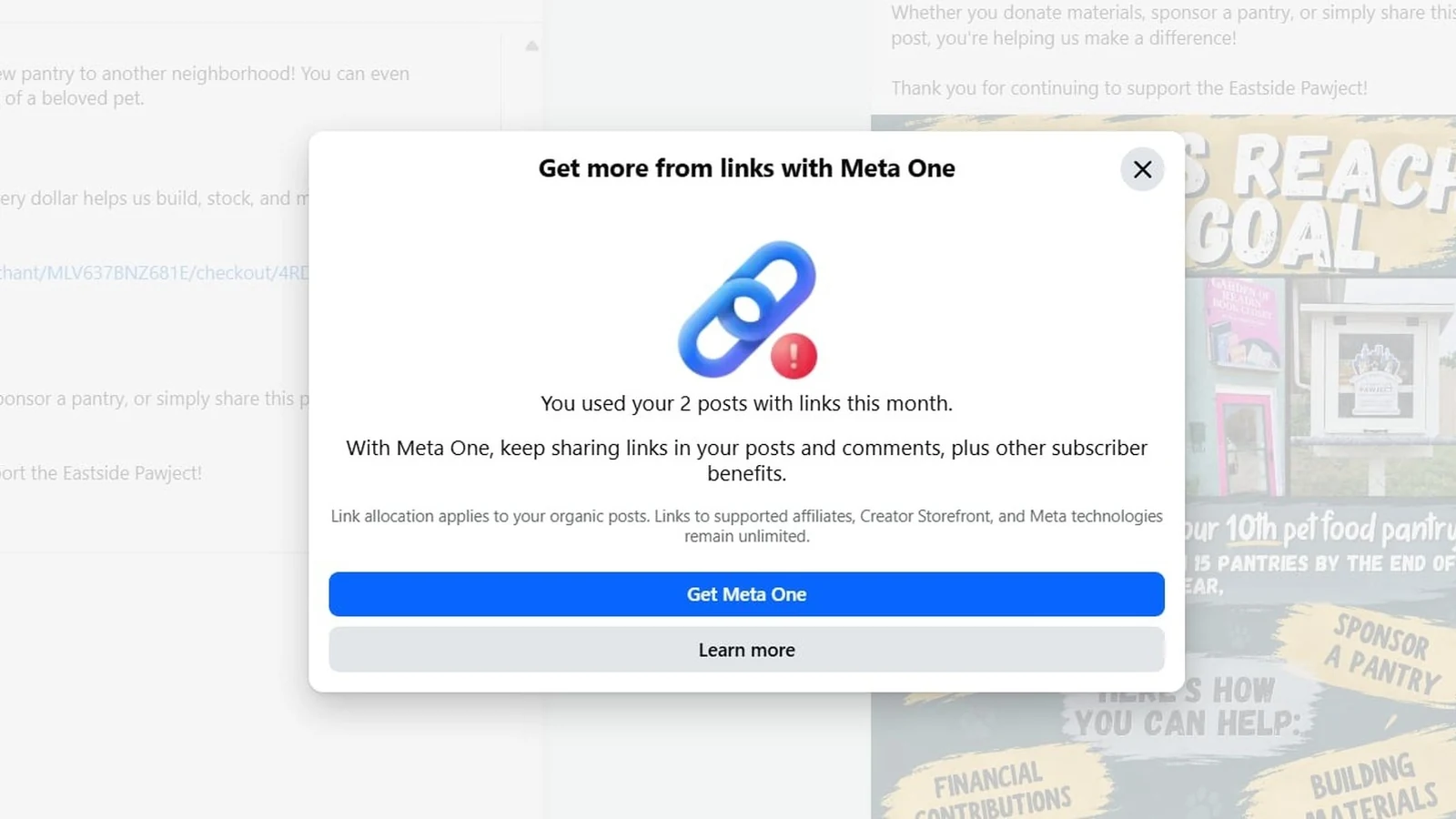
The Facebook Link-Sharing Test
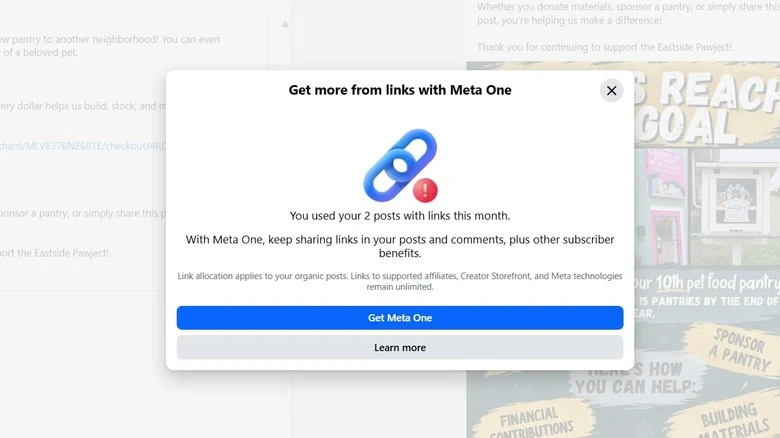
Meta has been experimenting with paid link-sharing features across its platforms, recently folding the capability into its AI-centric subscription tiers. According to reporting from Engadget, the test restricts standard pages from sharing more than two links a month without signing up for a paid plan. While the company intended these restrictions to target specific users rather than public service entities, government and nonprofit accounts have reported getting caught up in the ongoing experiment.
Daniel Starks, communications manager for the city of Greenville, Texas, oversees nearly a dozen municipal Facebook pages. Recently, the public library page received a notification stating it had used its allotted two links for the month. Sharing additional links would require a subscription plan costing $50 or more a month, a change that has left municipal leaders scrambling to find workarounds for publishing vital local information.
Impact on Nonprofits and Public Services
Nonprofit organizations have similarly encountered unexpected paywalls while attempting to organize events, coordinate volunteer efforts, and direct supporters to their websites. Bethany English, co-president of East Side Pawject, an Indianapolis-based nonprofit that organizes pet food pantries, faced restrictions when trying to share event information. The alternative option presented was a $150 monthly subscription plan, an expense difficult for small organizations to justify.
Jeff Bannister, marketing manager for SparkPoint, a North Carolina public health nonprofit, noted that the cost-to-benefit ratio for such subscriptions makes little operational sense for smaller entities. Despite Meta's assertions that the test should not impact verified nonprofits or government bodies, affected users continue to encounter restrictions, prompting them to explore alternative communication avenues.
Subscription Tiers and Meta's Stated Intentions
Meta's broader subscription push includes varying tiers that scale link-sharing privileges on Facebook. While lower tiers offer limited or no additional link-sharing capabilities on the platform, more expensive plans scale up allowances, with unlimited posting reserved for the highest pricing tier. Critics have expressed frustration that basic functionalities like posting a URL are being tied to subscription monetization models.
A Meta spokesperson noted that the company is actively testing whether link sharing should be integrated into its subscription frameworks, stating that the platform will continue to evolve based on incoming feedback.
Navigating Restrictions and Uncertain Rules
With rules appearing inconsistent across different accounts, organizations have adopted varied strategies to cope with the limitations. Some administrators have instructed staff to place URLs exclusively in the comments section or rely on personal profiles, which remain exempt from the restrictions. David Diskin, president of California Freethought Day, experienced sudden disruptions right before a major civic event, only for the restrictions to be abruptly lifted days later without an official explanation.
As organizations continue to navigate these unpredictable limitations, many are questioning their long-term reliance on the social network for reaching local audiences.
Sources
- EngadgetMeta is charging government and nonprofit pages to post links on Facebook
Continue chronologically

Related entity coverage
Related stories
Meta Tests Full-Screen TikTok-Style Feeds for Facebook and Instagram
Meta is testing opening Facebook and Instagram directly into full-screen vertical video feeds, previewing a potential seismic shift for social media.

Meta Expands Teen Self-Harm Alerts to Facebook and Meta AI
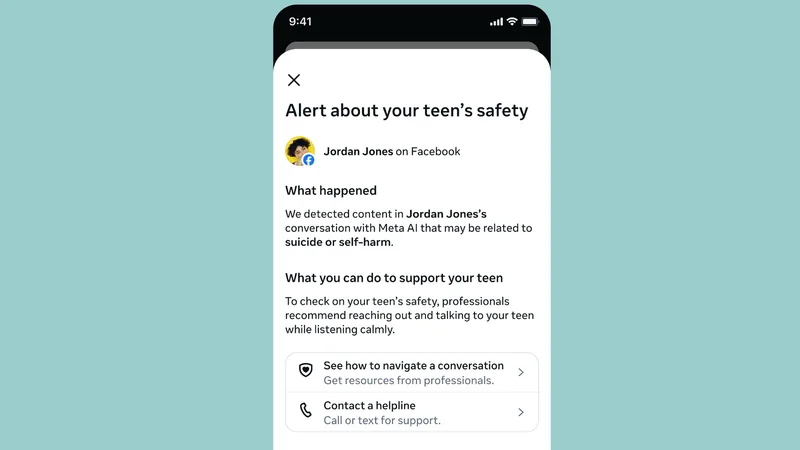
Meta is expanding its parental notification system to Facebook and Meta AI, alerting caregivers if teens repeatedly search for self-harm or suicide content.
Meta Ordered to Pay New Mexico $25 Billion Over Privacy
A state judge ordered Meta to pay New Mexico $25 billion after a jury found the company liable for deceiving users about privacy on Facebook.
Aaron Sorkin's The Social Reckoning Examines Meta
Aaron Sorkin's new film The Social Reckoning chronicles the Facebook Files scandal, whistleblower Frances Haugen, and Mark Zuckerberg.