Ray-Ban Meta Audio Glasses Review: Camera-Free Wearables
Meta has launched a camera-free variant of its smart glasses focused entirely on open-ear audio and extended battery performance.
 Radwan AbdulhadiEditor and technology writer
Introduction to the Audio-Only Design
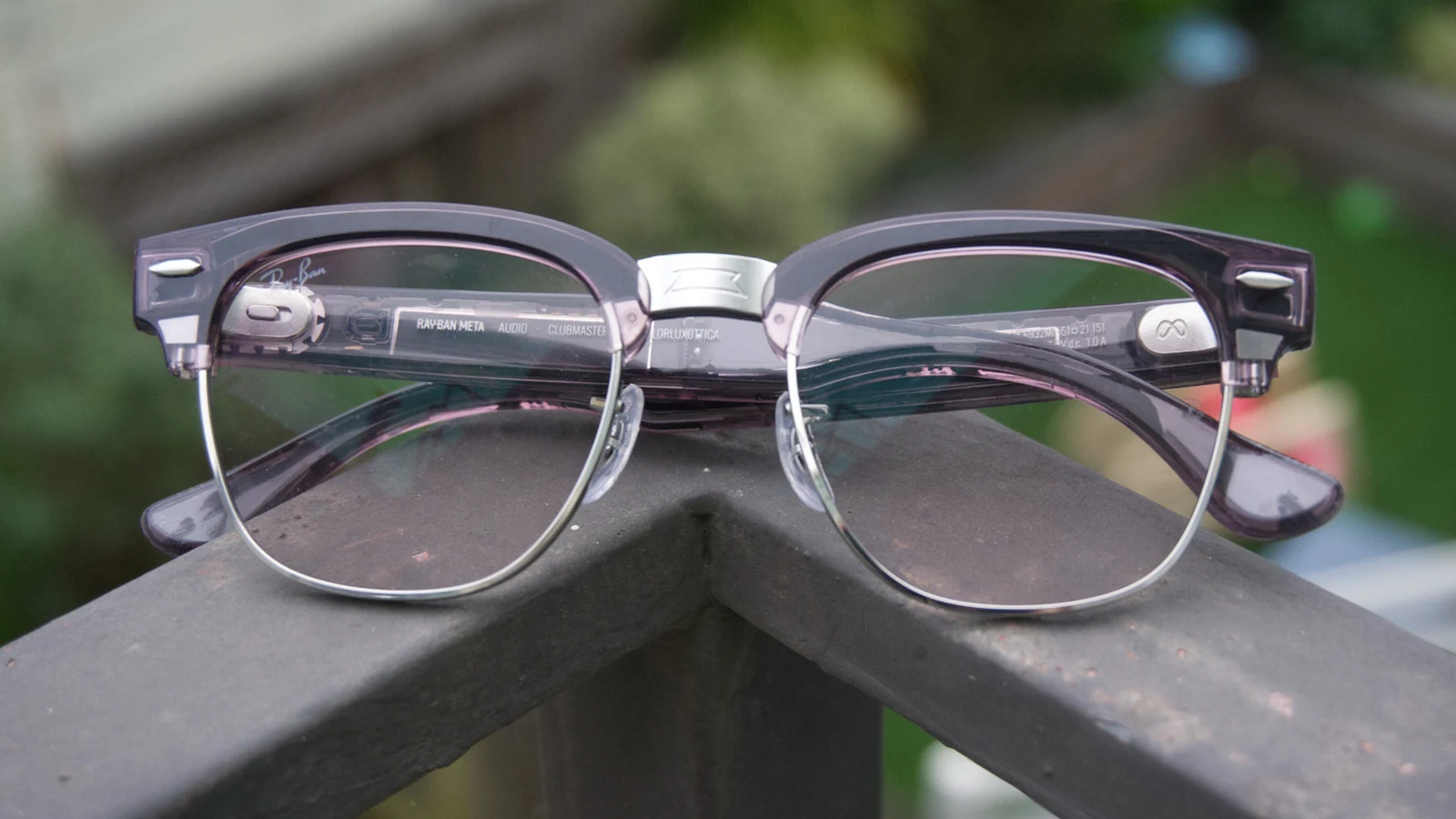
Meta has expanded its wearable tech lineup with the introduction of the new $349 audio-only glasses, designed to address mounting user privacy concerns. Amid an increasing backlash against camera-equipped smart glasses, the Ray-Ban Meta Audio frames strip away the camera entirely. According to reviewers, this adjustment removes the feature most commonly associated with covert recording device fears.
The camera-free approach positions the hardware closer to traditional eyewear. Reviewers noted that the frames look significantly more subtle and normal than previous iterations, successfully avoiding the social stigma that has historically targeted camera-enabled smart glasses.
Styles, Comfort, and Hardware Changes
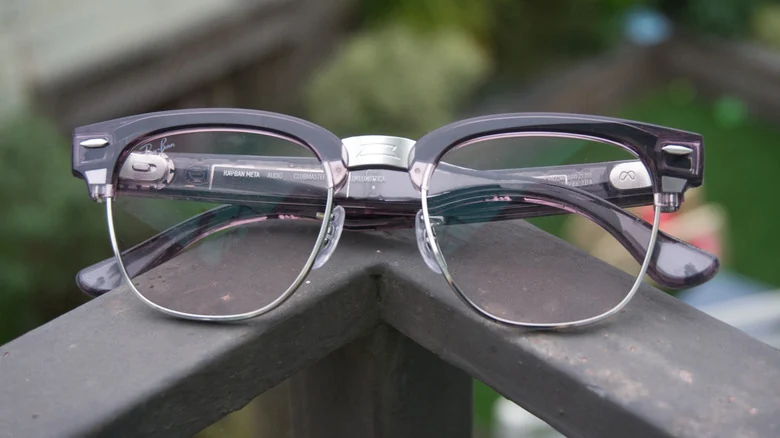
Meta offers the $349 at Meta in two distinct frame styles: the Burbank, which resembles a thinner Wayfarer design, and the Clubmaster, a classic Ray-Ban look available in a wider assortment of colors. Redesigned speaker and microphone components allowed Meta to slim down the frames compared to earlier models.
Weighing between 43 and 47 grams depending on the style, the glasses provide a more balanced fit by reducing front-heavy pressure. The inclusion of traditional nose pads helps the frames stay securely in place on various face shapes without slipping.
Audio Performance and Extended Battery Life
The Ray-Ban Meta Audio hardware utilizes a six-microphone array alongside open-ear speakers to handle music streaming, podcasts, and phone calls. Microphone placement adjustments position two mics on the front and four on the arms, maintaining clear call quality for users.
A major technical advantage of dropping the camera is the substantial boost to battery longevity. Meta specifies that the frames can deliver up to 12 hours of operation on a single charge during mixed use, or approximately six hours of continuous audio playback.

AI Integration and Feature Limitations
Despite lacking a camera, the glasses still support multiple Meta AI functions, including real-time translation and walking navigation. Additional updates are planned to introduce the upcoming Meta Muse AI agent as a personal assistant feature in future software rollouts.
However, reviewers pointed out limitations regarding the physical action button. While other multi-purpose frames provide extensive shortcut configurations, the audio-only variant restricts button mapping to just a couple of options, such as playing recommended music or launching Meta AI.
Privacy Considerations and Market Reception
By completely eliminating the camera and the capability to capture visual data from surrounding environments, the glasses eliminate covert video recording concerns. This shift arrives following widespread public scrutiny and venue bans that impacted earlier product generations.
Nevertheless, some data collection practices remain active. Meta continues to store audio recordings captured through the glasses, which can be reviewed by trained personnel unless manually deleted by the user via the companion application.
Sources
- EngadgetRay-Ban Meta Audio glasses review: No camera, no problem
- The VergeI don’t miss the camera on the Ray-Ban Meta Audio glasses
Continue chronologically


Related entity coverage
Related stories
Meta Glasses Nova Gen 3 Review: Iterative Upgrades
Read our comprehensive review of the new Meta Glasses Nova (Gen 3). Discover the latest design changes, battery improvements, and AI features.
Ray-Ban Meta Audio Review: Camera-Free Smart Glasses
Meta's new Ray-Ban Meta Audio smart glasses drop the built-in cameras to deliver an audio-only experience with improved comfort and privacy.

Meta’s Pivot: From Metaverse Bets to AI-Powered Glasses
Meta is shifting focus from its struggling metaverse vision to AI-integrated smart glasses and new agents, despite ongoing regulatory and social challenges.

When AI Glasses Could Replace Your Headphones
Explore how smart AI glasses compare to traditional headphones, examining open-ear audio, convenience, everyday assistant features, and call quality.