Why You Should Never Point A Laser Pointer At A Security Camera
While pop culture suggests a laser pointer can easily blind a security camera, the reality involves a combination of sensor technology, laser power, and steady aim.
 Radwan AbdulhadiEditor and technology writer
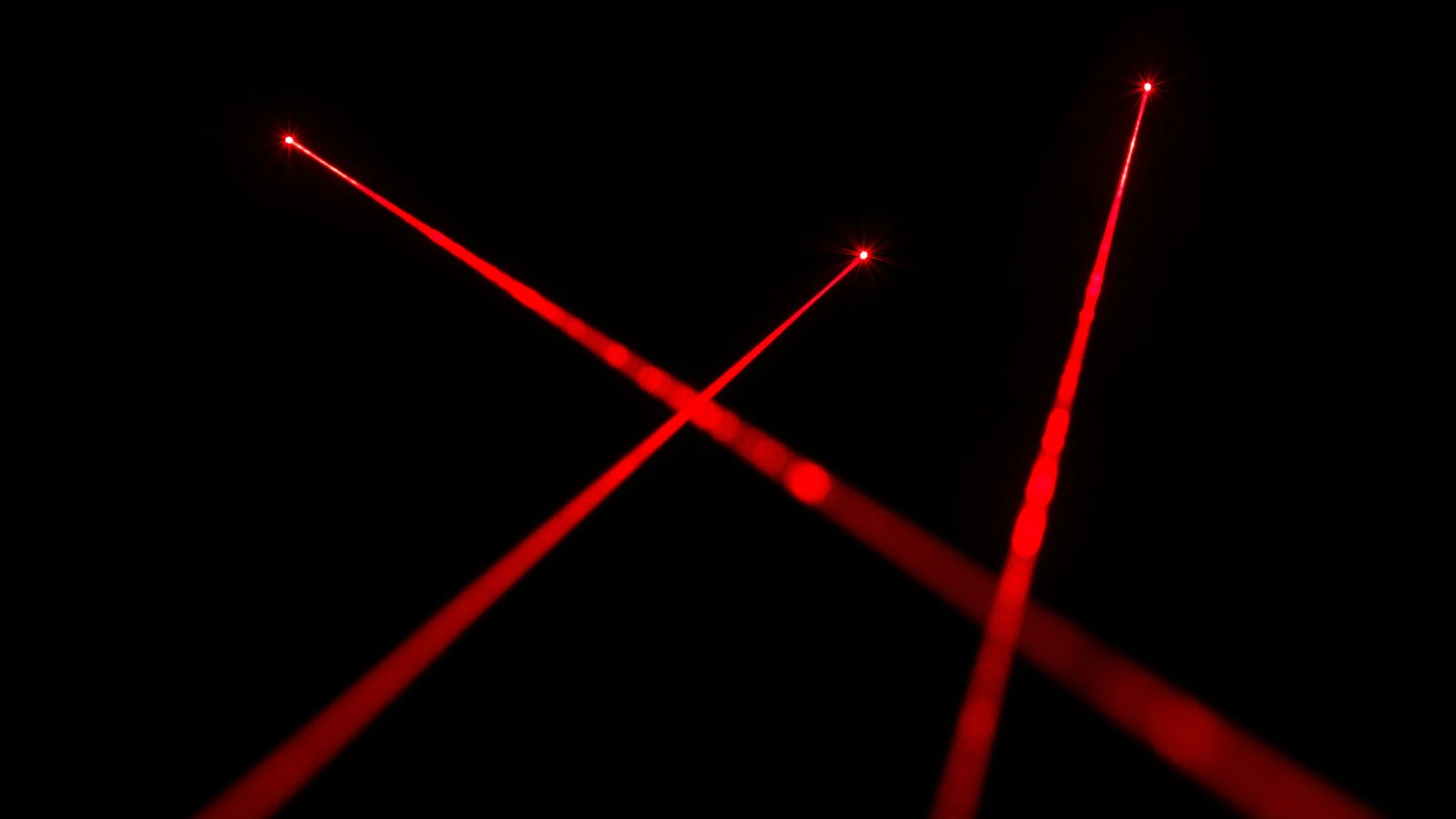
Pop Culture Versus Reality
Opening a door with a hairpin is a classic cliché across books, movies, and video games. Fans of television shows like Better Call Saul may remember a more technologically advanced escape method featured in the episode 'Wiedersehen'. In the story, a character named Werner Ziegler uses a laser pointer to blind a security camera, leaving behind dead pixels on monitor feeds before escaping. While this trick looks clever on screen, exploring whether it works in real life reveals a more complex technical reality, as detailed by Engadget in their coverage of laser pointers and surveillance hardware.
In practice, laser pointers can certainly blind security cameras temporarily, and in some rare cases, they can cause permanent damage. However, successfully executing this requires three distinct factors: an extremely powerful laser, an older camera model, and an extraordinarily steady pulse. While technically possible, it remains quite difficult and is illegal in most jurisdictions. For example, a Clearwater man got arrested after using a laser to target surveillance hardware owned by the Church of Scientology, resulting in over $2,000 in damages even though the cameras still captured his actions.
How Intense Light Affects Camera Sensors
Lasers emit concentrated beams of light at high intensities. Because security cameras are engineered to convert light into electrical charges that form digital video frames, they are often more susceptible to intense light sources than the human eye. Everyday intense lighting like bright headlights or strong sunlight reflections can overwhelm a lens, causing temporary glare or whiteout effects in video footage. Laser pointers create a similar phenomenon, but with significantly greater concentration.
Most closed-circuit television cameras rely on complementary metal-oxide semiconductor or charge-coupled device sensors. When targeted by a laser pointer for a sustained period, the sensor can become completely overwhelmed, causing a temporary blinding effect. Furthermore, high-intensity lasers generate heat. Prolonged thermal exposure can produce dead pixels and dark spots in the final image, and in worst-case scenarios, larger dead areas can render the camera entirely unusable.
The Limitations of Laser Damage
Despite these risks, not every laser is capable of damaging a camera. Causing actual harm typically requires a high-powered laser held completely still for roughly 10 seconds. Lasers with an output power under 5mW generally cause nothing more than temporary glare on a camera feed. Under United States Food and Drug Administration regulations, handheld laser pointers exceeding 5mW of output power are illegal to market, sell, or promote. Consequently, anyone possessing a laser strong enough to damage a lens likely faces much larger regulatory problems.
Even with access to a high-powered laser, maintaining steady aim directly at a camera lens from a distance over an extended period is exceptionally challenging. When researchers at IPVM tried using a laser to blind a security camera, they found the task very difficult due to natural hand tremors causing the beam to drift off target even from a distance of about 5 feet. At that range, the team could not cause any permanent damage regardless of laser strength.
Modern Technology and Creator Insights
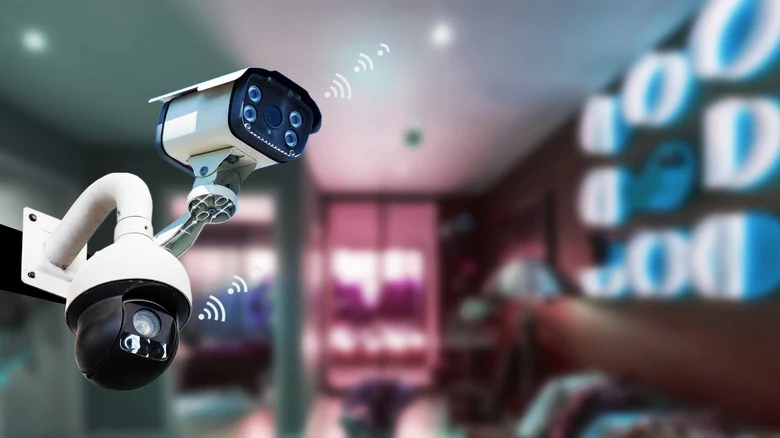
Damaging a modern security camera remains exceptionally difficult due to contemporary technological advancements and built-in sensor protections. Acknowledging the fictional nature of television plots, Vince Gilligan, co-creator of Better Call Saul, admitted on a podcast that Werner Ziegler's surveillance-blinding trick would realistically only work on camera models dating back to the 1960s.
How to Protect Your Security Cameras
While making a standard home security camera completely laser-proof is impossible, property owners can implement practical preventative measures to harden their surveillance setups. The most effective strategy involves controlling physical access. Mounting cameras high up or at steep angles makes it difficult for anyone to aim a laser at them for a prolonged duration, as observed during testing. Moving cameras are similarly harder to target effectively.
Deploying multiple overlapping cameras to cover the same physical area provides additional redundancy and ensures no blind spots remain if a single unit is compromised. Additionally, many modern surveillance platforms support software systems that detect sudden shifts in lighting or unusual activity. If a camera view experiences an obstruction or a bright light beam, these systems can immediately dispatch phone alerts to property managers or homeowners.
Sources
- EngadgetWhy you should never point a laser pointer at a security camera
Continue chronologically


Related stories
Why You Should Avoid Plugging In a Damaged External Hard Drive
Discover why plugging in a dropped or damaged external hard drive can lead to permanent data loss and why professional evaluation is crucial.
Can a MacBook handle heavy games? What you should know
Explore whether MacBooks can handle graphically demanding heavy games, looking at Apple silicon, compatibility tools, and Windows PC comparisons.

A Guide to Cleaning Vinyl Records Across Budgets
Discover the right way to clean your vinyl records, from basic carbon fiber brushes and budget wet washing to advanced ultrasonic cleaners.

Why Your Apple AirPods' Battery Drains So Fast
Discover why your Apple AirPods battery drains quickly, how to check for charging issues, and practical steps to make them last longer.