Jabil Shares Insights on Humanoid Robot Scaling and Production
As the humanoid robotics sector shifts from hand-assembled prototypes toward volume production, manufacturing and design service providers are outlining the practical hurdles ahead.
 Radwan AbdulhadiEditor and technology writer
Transitioning from Prototypes to Volume Production
While public attention often centers on flashy demonstration videos and substantial fundraising rounds, the technical work of designing and scaling humanoid platforms continues to evolve behind the scenes. Companies preparing to ramp up production of humanoid robots include Tesla, 1X Technologies, XPeng, and UBTECH, which are navigating the transition from early concepts to commercial reality.
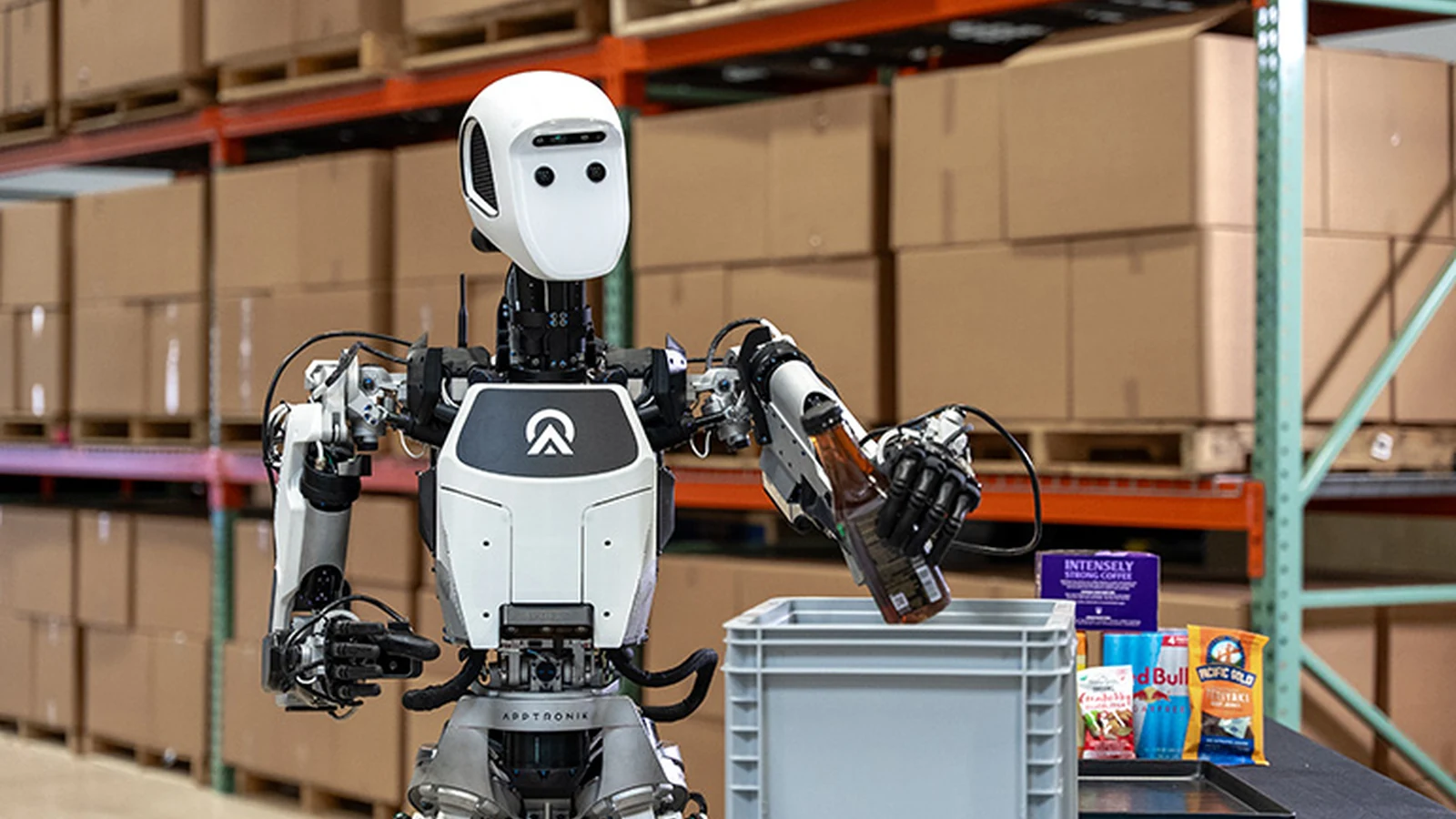
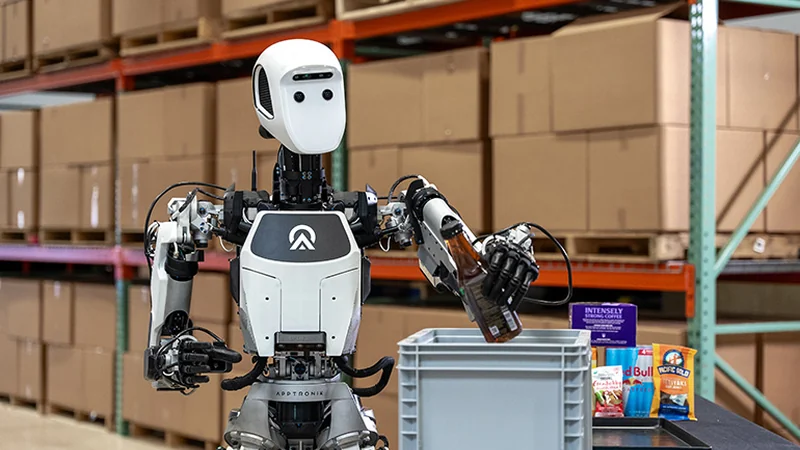
Jabil Inc., a manufacturing, supply chain, and design services provider based in St. Petersburg, Florida, offers an industrial perspective on how these machines are progressing. The company has worked with Apptronik on bringing its Apollo humanoid to active manufacturing environments, according to Thomas Brown, senior director for engineering and technology at Jabil.
Managing Expectations and Economic Realities
Addressing how customer and investor expectations are shifting, Brown noted that the industry is entering a phase targeting tens of thousands of units. At this volume, robots can no longer be assembled by hand on-site. Instead, developers must establish robust cost structures, repeatable manufacturability, and strict quality control.
High unit costs initially limit production primarily to gathering AI training data and validating customer use cases. Design and manufacturing service providers step in to help developers reduce component costs so they can successfully hit commercial production scales.
Physical AI and Hardware Constraints
The current boom in physical AI relies heavily on sufficient compute capacity to power complex behaviors. While foundational models continue to expand, hardware pricing and edge computing capacity remain ongoing pain points for scaling production. Many developers utilize processing hardware such as the NVIDIA Jetson series to support their robotic aspirations.
Furthermore, automotive partners entering the humanoid space—such as Hyundai, Tesla, and BMW—contribute valuable design-for-manufacturing experience. Brown pointed out that components like wiring harnesses require a hybrid of automotive-grade robustness paired with the extremely compact form factors typical of high-grade consumer electronics.
Commercial Outlook in Factories and Warehouses
Within manufacturing and warehousing environments, humanoids offer unique versatility compared to traditional purpose-built automation. While standard production lines are optimized for specific repetitive tasks, humanoids can dynamically adapt to a broad range of responsibilities, altering how industrial facilities evaluate automation investments.
However, traditional high-speed automation and mobile manipulators will retain a significant role. Systems like machine tenders operating at high speeds fulfill distinct facility requirements, meaning humanoids will serve as flexible additions rather than universal replacements.
Future Consumer Markets and Facility Layouts
Looking ahead to consumer applications like household assistance, industry timelines vary significantly. Progress across artificial intelligence and electronics hardware could see viable consumer offerings emerge within roughly five years, though development schedules remain subject to rapid technological shifts.
As humanoid fleets eventually become ubiquitous in industrial settings, they may also fundamentally reshape factory and warehouse floor layouts. Software-driven definitions could allow robotic fleets to pull out workstations, swap end effectors, and retrieve supplies autonomously.
Sources
- The Robot ReportJabil discusses the pace of humanoid robot development and production
Continue chronologically

Related stories
2026 Robotics Handbook Explores Humanoids and AI
The 2026 Robotics Handbook examines humanoid robots, artificial intelligence, dexterous manipulation, and automation trends in construction.
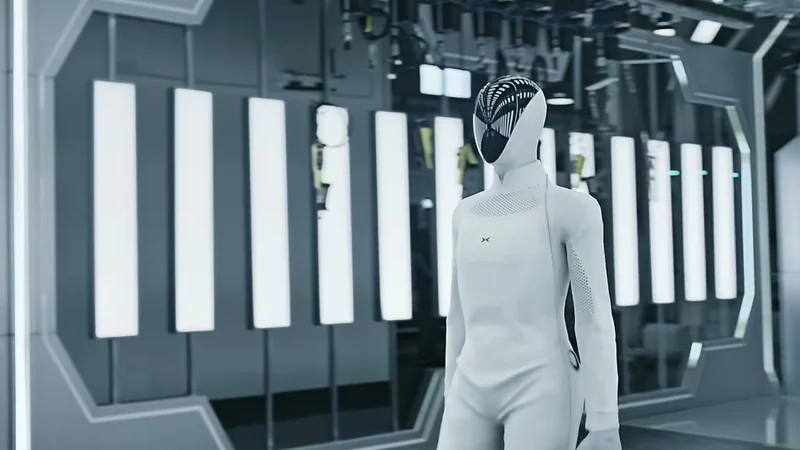
XPENG Iron Robot Walks Off Production Line After Assembly
XPENG’s new Iron humanoid robot has begun its journey toward mass production, successfully walking off the assembly line immediately after being built.
Humanoid Robots and AI Emerge as Helpers, Not Enemies
Rapid AI advances bring humanoid robots like Boston Dynamics' Atlas out of the lab and onto factory floors, serving as helpers rather than enemies.
OpenAI Is Building a Humanoid Robot, Says CEO Sam Altman
OpenAI is developing a humanoid robot, but CEO Sam Altman emphasizes that creating the robot's artificial brain is a much greater challenge than building the body.