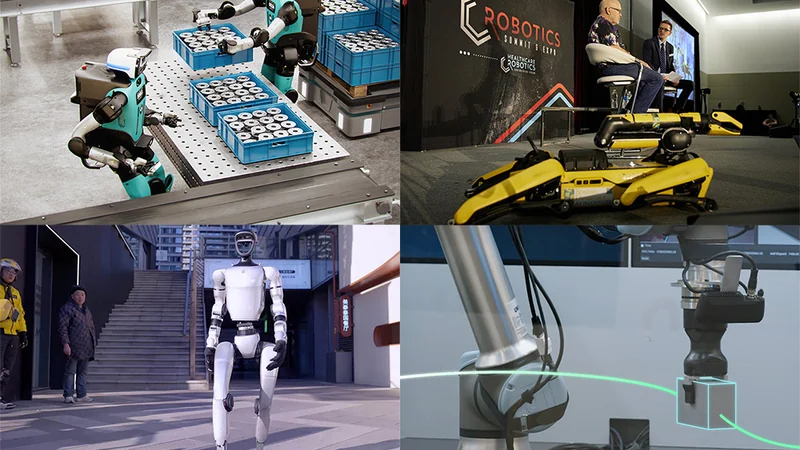
2026 Robotics Handbook Explores Humanoids and AI
A new publication from The Robot Report examines the engineering, design choices, and market trends shaping humanoid robots, artificial intelligence, and automation.
 Radwan AbdulhadiEditor and technology writer
Accelerating Automation and Robotics Adoption
The latest edition of [The Robot Report](https://www.therobotreport.com/2026-robotics-handbook-looks-at-humanoids/) highlights how the pace of change in the design, engineering, and deployment of commercial systems has accelerated. Driven by advances in hardware, scale, and artificial intelligence, the robotics landscape is expanding rapidly as labor shortages fuel automation demand.
As markets become more knowledgeable about robotic capabilities and systems grow easier to use, adoption rates are climbing. According to the International Federation of Robotics and the Association for Advancing Automation, both global and U.S. robotics [orders](https://www.therobotreport.com/u-s-robotics-industry-saw-double-digit-growth-in-2025-says-ifr/) are recovering and climbing after a post-pandemic pause.
Humanoid Robots and Market Competition
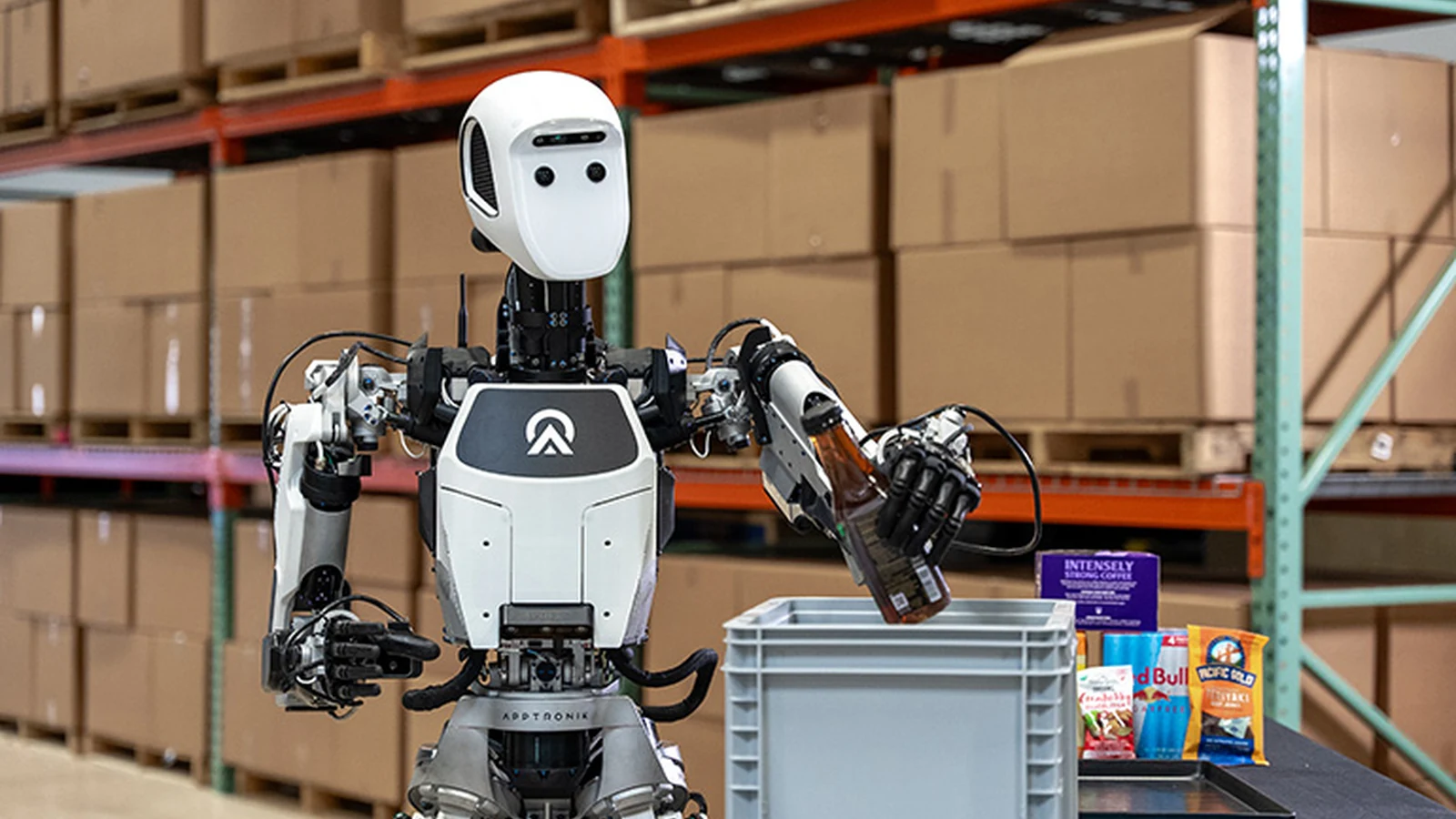
While humanoid robots remain largely in development and commercial trials, massive funding has driven stiff competition across the industry. Big tech companies and emerging startups are testing different form factors and use cases, pushing the boundaries of what bipedal machines can achieve.
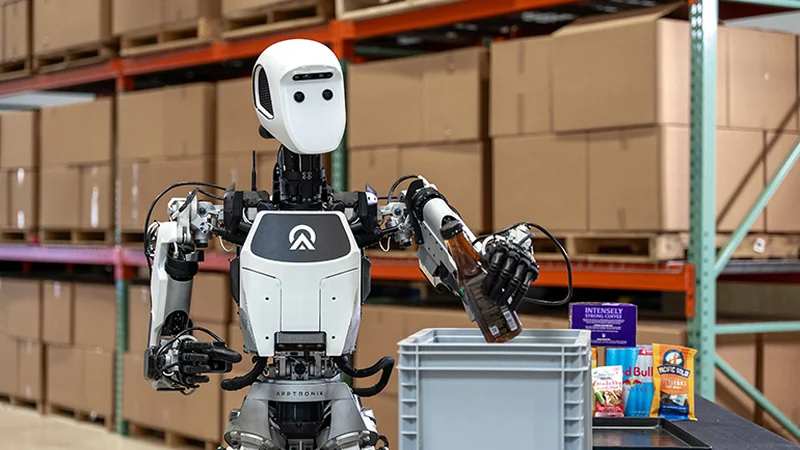
The handbook investigates how integration, safety requirements, and the desire for human-level capabilities affect the pace of humanoid development. This includes examining Jabil’s collaboration with Apptronik, as well as how Boston Dynamics has approached end effectors while working to bring its Atlas humanoid robot to market.
The Expanding Role of Artificial Intelligence
Artificial intelligence stands out as a prominent topic, fundamentally changing how robots are designed, programmed, and managed. Technologies ranging from large language models and vision-language-action models to world models are making robots more autonomous, intuitive, and safer for human interaction.
Despite these capabilities, challenges remain regarding data security, cybersecurity, and national sovereignty. Additionally, the handbook explores the role of virtual gyms and simulation tools from companies like SoftServe in accelerating AI training for complex robot behaviors.
Dexterous Manipulation and End Effectors
Advancements in dexterous manipulation form a core component of the handbook's engineering focus. Industry experts discuss the importance of cost considerations, humans in the loop, and the ongoing balance between generalization and specialization for robotic manipulators alongside Plus One Robotics.
Further engineering evaluations examine hardware mechanics, such as why combining suction and soft grippers yields better operational results than using either method independently, as demonstrated by Locus Robotics.
Automation Expands into Construction
Beyond traditional warehouse and factory settings, the handbook spotlights an industry where automation is just beginning to take root: construction. Companies like Monumental are evaluating how bricklaying serves as an optimal starting point for introducing construction automation.
The publication is supported by several industry sponsors that provide essential components and engineering solutions, including [DigiKey](https://www.digikey.com/), All Motion, CS Hyde Co., Boker’s Inc., SIKO Products Inc., and ElectroCraft.
Sources
- The Robot Report2026 Robotics Handbook looks at humanoids, AI, and design choices
Continue chronologically

Related stories
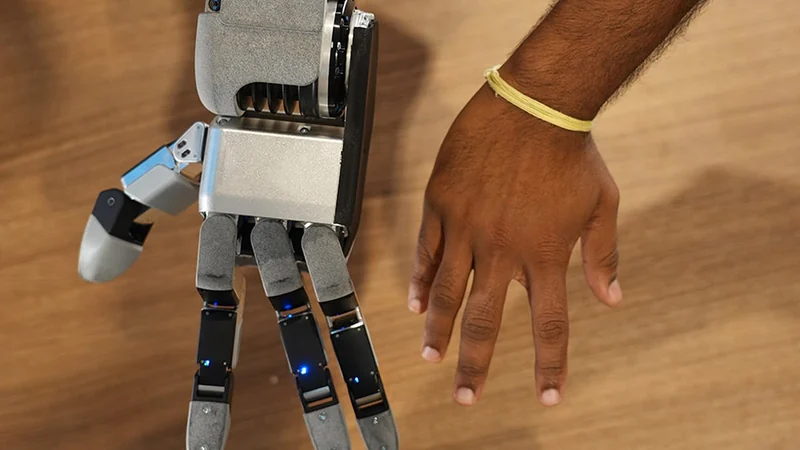
Boston Dynamics Reveals Insights Into Redesigned Humanoid Hand
Boston Dynamics shares new details on its redesigned four-fingered humanoid robot hand, highlighting trade-offs, simulation, and manufacturing goals.
Jabil Shares Insights on Humanoid Robot Scaling and Production
Jabil engineering and technology leader Thomas Brown discusses scaling humanoid robot production, managing cost structures, and physical AI integration.
Webinar to Examine FCC Robotics Ruling and Automation Impact
Industry leaders will discuss what automation buyers need to know regarding the recent FCC restrictions on certain connected robotic systems.
September 2026 Robotics Highlights Bring New Products and Humanoids
Discover the top robotics stories of September 2026, featuring new humanoid developments, major acquisitions, and product launches from live industry events.