Humanoid Robots and AI Emerge as Helpers, Not Enemies
Rapid advances in artificial intelligence are transitioning humanoid robots out of research laboratories and directly onto industrial factory floors, where they serve as productive assistants rather than fearsome foes.
 Radwan AbdulhadiEditor and technology writer
The Rise of Humanoid Robots on the Factory Floor
For decades, engineers have pursued the goal of creating machines that look and act like humans. Now, rapid developments in artificial intelligence are bringing humanoid robots out of research facilities and into active industrial environments. As anxieties grow regarding the potential displacement of human workers, a global race has intensified to build humanoid machines capable of performing practical labor.
Competitors in this space include Tesla alongside startups backed by Amazon and NVIDIA, as well as state-backed Chinese enterprises. Among the recognized leaders is Waltham, Massachusetts-based Boston Dynamics, which is valued at over $1 billion and controlled via an 88% stake held by South Korean automaker Hyundai.
From Hydraulic Prototypes to All-Electric AI Systems
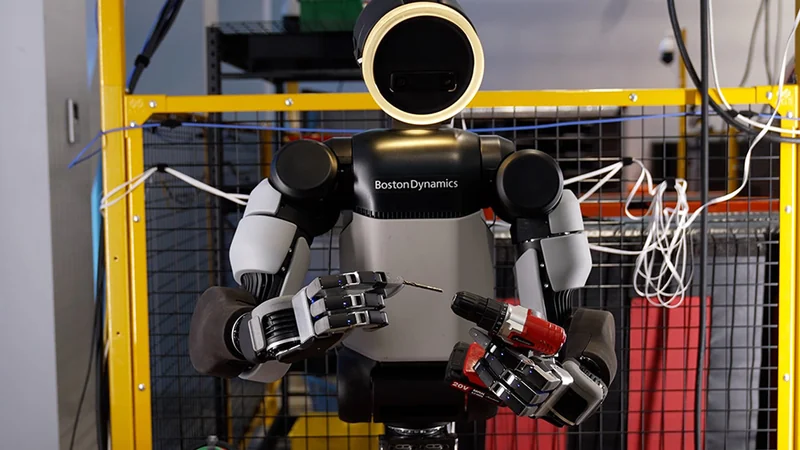
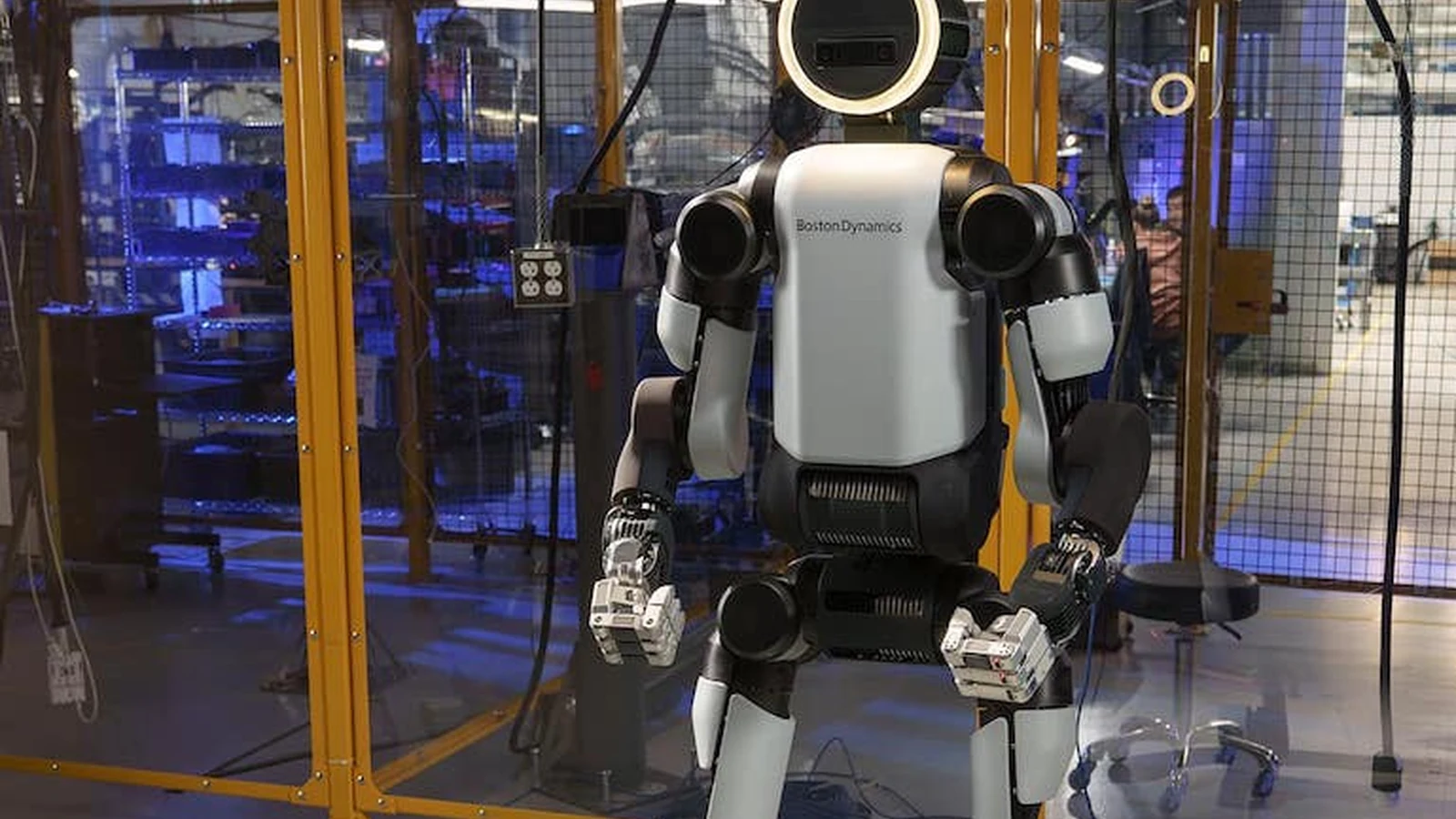
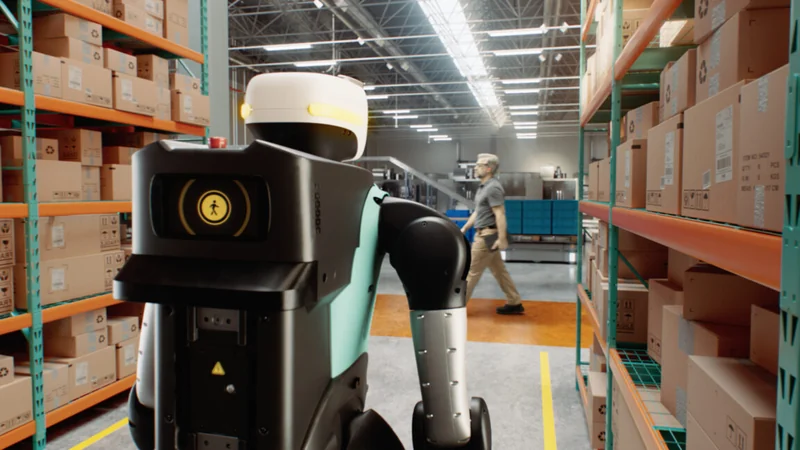
Hyundai operates an advanced automotive manufacturing facility where more than 1,000 robots work alongside nearly 1,500 human employees to lift, stamp, and weld parts. Within this environment, the Atlas humanoid stands 175 cm tall and weighs 90 kg, having transitioned from laboratory testing into performing genuine work tasks.
Development of the Atlas platform is led by Zach Jackowski, an engineer holding two degrees from MIT. The current-generation Atlas features a sleek, all-electric body driven by advanced artificial intelligence and cutting-edge NVIDIA chips, moving far beyond the bulky hydraulic designs of 2021 that relied strictly on engineer-written algorithms.
Training Humanoids Through Human Teleoperation and Simulation
Modern robotic systems have learned to master movements previously considered too complex through demonstration-based programming and machine learning rather than strict manual code. Experts such as Scott Kindersma, who previously led robotics research at Boston Dynamics prior to moving to Google DeepMind, have highlighted this paradigm shift in machine movement capabilities.
Atlas learns new maneuvers through supervised training where specialists utilize virtual reality headsets to take direct control of the humanoid, guiding its arms and hands step-by-step. The captured motion data is subsequently fed into machine learning pipelines. Because robot anatomy differs from human physiology, engineers utilize simulations—training over 4,000 digital avatars simultaneously across challenging conditions like slippery floors and stiff joints—to transfer these learned skills back to physical hardware.
Practical Limitations and the Reality of Human-Robot Collaboration
Despite impressive milestones such as sorting roof racks autonomously or executing acrobatic maneuvers, current humanoids cannot match the broad versatility of everyday human tasks, such as getting dressed or pouring and carrying a cup of coffee around a house. Their advanced chips provide a degree of common sense and environmental awareness, but they remain tools that require human management.
Industry executives note that building robots capable of surpassing human physical limitations in specific industrial contexts does not signify a dystopian scenario. Monotonous and grueling physical labor can gradually shift to machines, though human oversight, manufacturing, training, and maintenance remain absolute requirements. Goldman Sachs projects that the global humanoid robot market will reach $38 billion within a decade as firms continue to invest heavily in the sector.
Sources
- The Robot ReportThe rise of the machines is canceled: Why humanoids with AI are helpers, not enemies
Continue chronologically
Related entity coverage
Related stories
Boston Dynamics Appoints Former Amazon Exec Rohit Prasad as CEO
Boston Dynamics has named former Amazon executive Rohit Prasad as its new CEO, aiming to accelerate its physical AI strategy and productize intelligent machines.

Nvidia Push Into Physical AI Aims For Safer Robots
Nvidia expands its safety technology for physical AI to support safer humanoid robots, autonomous vehicles, and warehouse machines.
OpenAI CEO Sam Altman Reveals New AI Agent at Developer Event
OpenAI CEO Sam Altman introduced new Dots AI agents at the annual developer conference while avoiding mention of recent security concerns.

Boston Dynamics Reveals Four-Fingered Hand for Atlas
Boston Dynamics has unveiled a new four-fingered hand for its Atlas humanoid, designed for high-fidelity simulation and tool manipulation.