
XPENG Iron Robot Walks Off Production Line After Assembly
The Chinese electric vehicle manufacturer recently showcased its latest robotics achievement as its Iron humanoid robot successfully moved autonomously following assembly. This milestone signals the company's progress in adapting automotive manufacturing techniques for the robotics sector.
 Radwan AbdulhadiEditor and technology writer
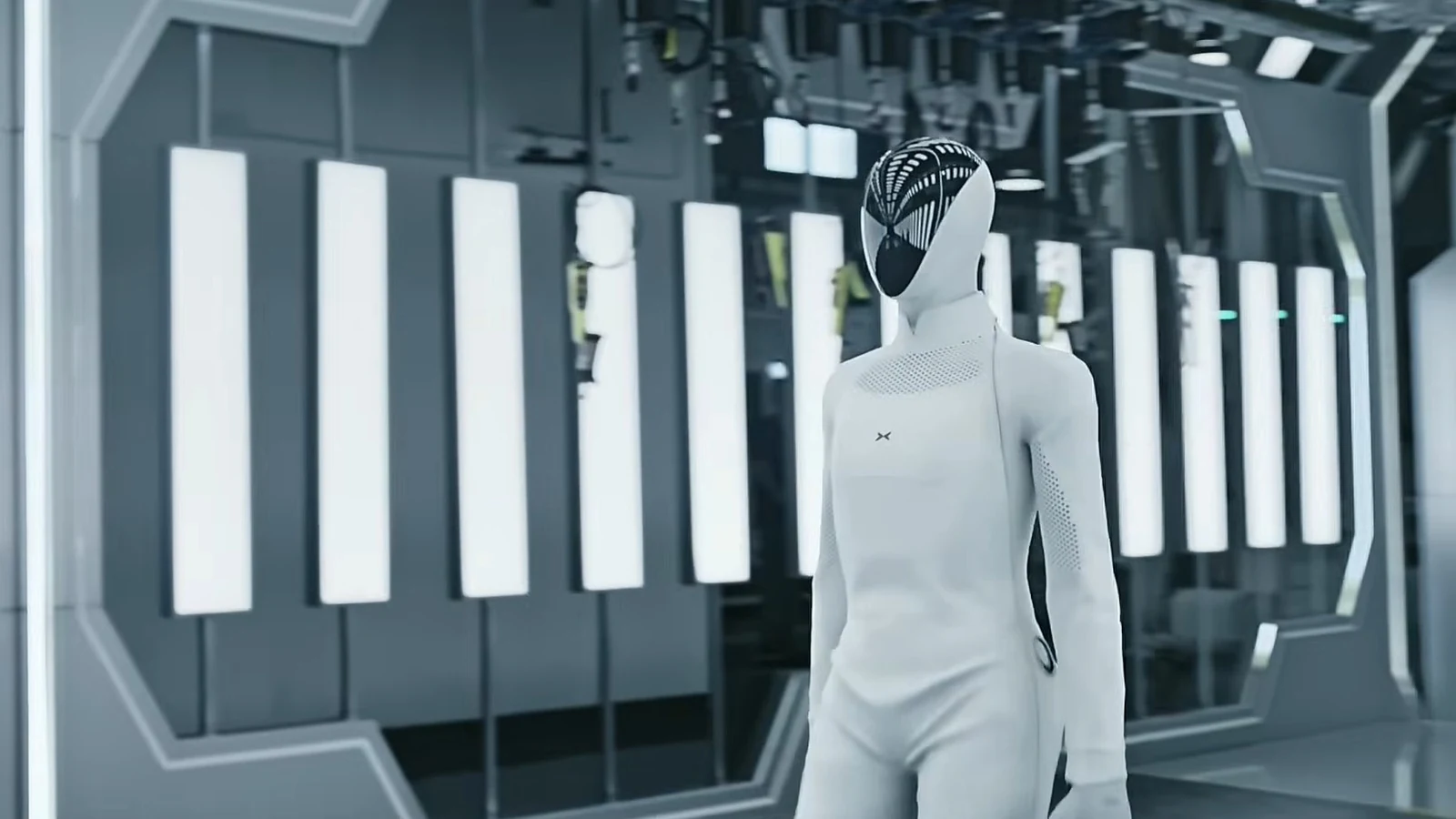
An Autonomous Exit from the Factory
XPENG has reached a significant milestone in its robotics division with the unveiling of Iron, a humanoid robot that successfully performed an autonomous exit from the company's newly operational assembly facility. According to an official September 7 announcement, the robot completed its assembly and immediately cleared the area, demonstrating a level of mobility that the manufacturer hopes will facilitate efficient mass production. The process is designed to make the robot immediately useful, moving out of the assembly space to provide room for subsequent units.
During the event, XPENG Chairman and CEO He Xiaopeng personally presented the robot with a staff badge to mark the occasion. The company notes that over 80 percent of the production line's core processes are currently automated. By leveraging quality control systems historically reserved for its automotive lines, XPENG aims to ensure consistency as it scales up production toward its year-end goals.
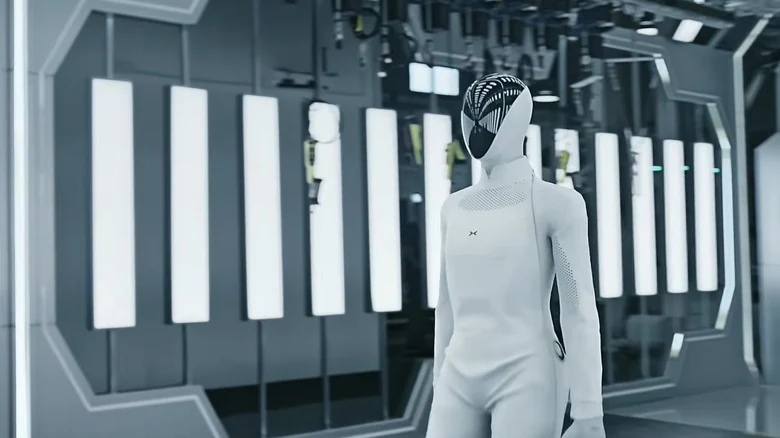
Technical Capabilities and Design
The Iron robot is engineered for complex physical interaction within human environments. It features 76 degrees of freedom across its body, including 21 independent points of articulation in each hand. This mechanical flexibility is intended to support tasks such as walking and manipulating objects, which are essential for the roles XPENG envisions for the platform.
Internally, the robot is equipped with three Turing AI chips that provide a processing power of up to 2,250 trillion operations per second. This onboard computing architecture allows Iron to process its AI models locally, reducing latency and enabling the robot to function without the need for a constant remote operator. While the high level of processing power is notable, the company has yet to provide specific data regarding the robot's performance when faced with unpredictable real-world scenarios or complex interactions with shoppers.
Deployment Strategy and Future Prospects
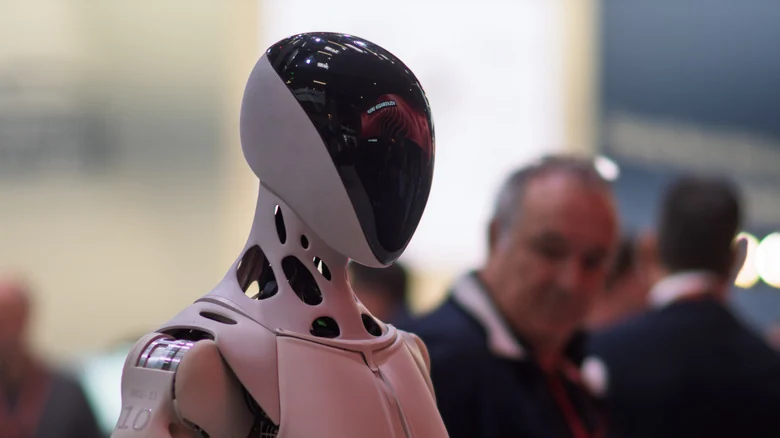
The primary objective for Iron is to assist in daily operations within XPENG’s internal ecosystem. The company plans to deploy these robots in its own showrooms, retail stores, and corporate campuses to handle responsibilities like customer reception, guided tours, and general sales assistance. These initial roles serve as a testing ground for the robots before they reach the wider market. Deliveries to China and international markets are currently slated for 2027, although the company has not yet confirmed pricing or a timeline for availability in the United States.
Safety remains a central design concern, with the exterior structure developed to be flexible for interactions with customers. While the design intends to prioritize safety, there has been no independent evaluation released to verify these claims. XPENG acknowledges that while the robot's movement is a successful technical demonstration, the true test lies in its ability to perform consistent, meaningful work over the course of a standard working day.
Industry Context and Competitor Landscape
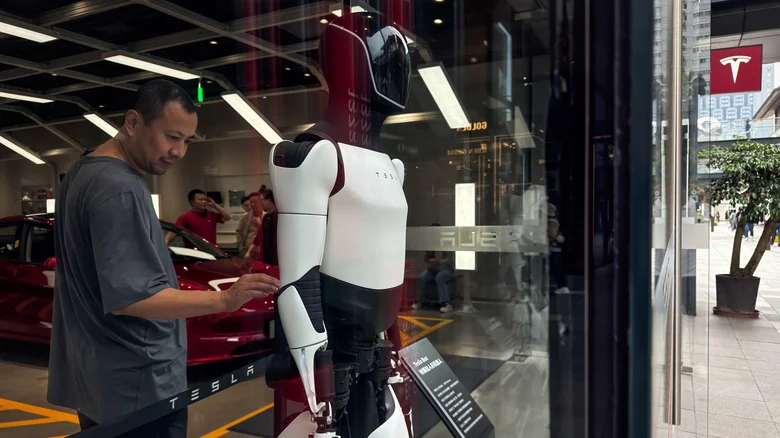
XPENG is not alone in its pursuit of merging AI with industrial manufacturing to produce humanoids. The industry has seen several high-profile attempts to pivot automotive expertise toward robotics. Tesla, for instance, has publicly discussed converting existing production lines for Optimus to achieve large-scale manufacturing capabilities.
Other firms have already achieved meaningful production volumes. Earlier this year, Figure reported that it had manufactured over 350 units of its Figure 03 robot, demonstrating a production rate of one unit per hour. These robots were primarily utilized for internal data collection and development rather than commercial customer deliveries. When considering the current state of the industry, comparisons often look toward the performance of Figure’s Figure 02 robot at a BMW facility, where it performed specific, repetitive tasks such as inserting sheet-metal parts for welding, rather than building entire vehicles from scratch.
Sources
- EngadgetXPENG's Iron humanoid robot walked out immediately after being assembled